

Workers’ compensation is meant to help, but the process can be slow. Taking care of hearing loss early can really improve your safety and quality of life.
Hearing loss is one of the most common occupational illnesses in the United States, particularly in industries like construction, manufacturing, transportation, and agriculture. Yet despite how widespread it is, workers’ compensation claims for hearing loss can be some of the most difficult to prove—and among the slowest to resolve.
For workers dealing with diminished hearing, that creates a frustrating reality: the need for treatment is immediate, but the legal process to secure benefits often isn’t.
Why Occupational Hearing Loss Claims Are So Difficult to Prove
Unlike a sudden workplace injury, occupational hearing loss typically develops over time. Spending years around loud machines, tools, or noisy environments can slowly harm your hearing, often without any single event causing it.
This slow development of hearing loss can make legal issues more complicated.
To qualify for workers’ compensation, employees generally must show that their condition is directly related to their job. In most cases, that means demonstrating the injury or illness arose out of workplace duties and occurred within the scope of employment. Employers and insurers often review medical records, work history, and other evidence before approving a claim.
In hearing loss cases, this often requires:
- Audiology tests documenting hearing impairment
- Evidence of prolonged workplace noise exposure
- Expert opinions linking the condition to occupational factors rather than aging or non-work-related causes
Employers and insurers often claim that hearing loss comes from natural aging or activities outside of work. As a result, proving the cause is often one of the most debated parts of these cases.
The Gap Between Approval and Access to Care
Even if a claim is valid, the process usually takes time. In some cases, it can take months or longer for a claim to be approved or resolved, particularly if liability is disputed.
During that time, workers may be left without coverage for hearing aids or related treatment, even as their condition continues to affect daily life.
Also, approved claims don’t always result in full coverage.
Some workers receive partial benefits that may not cover the full cost of hearing aids, fittings, or follow-up care. Others may face limits based on state workers’ compensation laws, which vary widely in how they handle occupational hearing loss.
That gap between what is needed and what is covered can leave workers paying out of pocket or delaying care altogether.
Why Waiting for a Settlement Isn’t Always Practical
Hearing loss continues even while a claim is being processed.
Waiting to get treatment can make it harder to communicate, stay safe at work, and enjoy daily life. Sometimes, not treating hearing loss can also lead to more mental stress and feeling isolated from others.
For workers who rely on clear communication—whether on a job site, in a warehouse, or behind the wheel—waiting months for a legal resolution can create real risks.
Bridging the Gap While Claims Are Pending
Some workers look for ways to move forward with care before their claim is finalized.
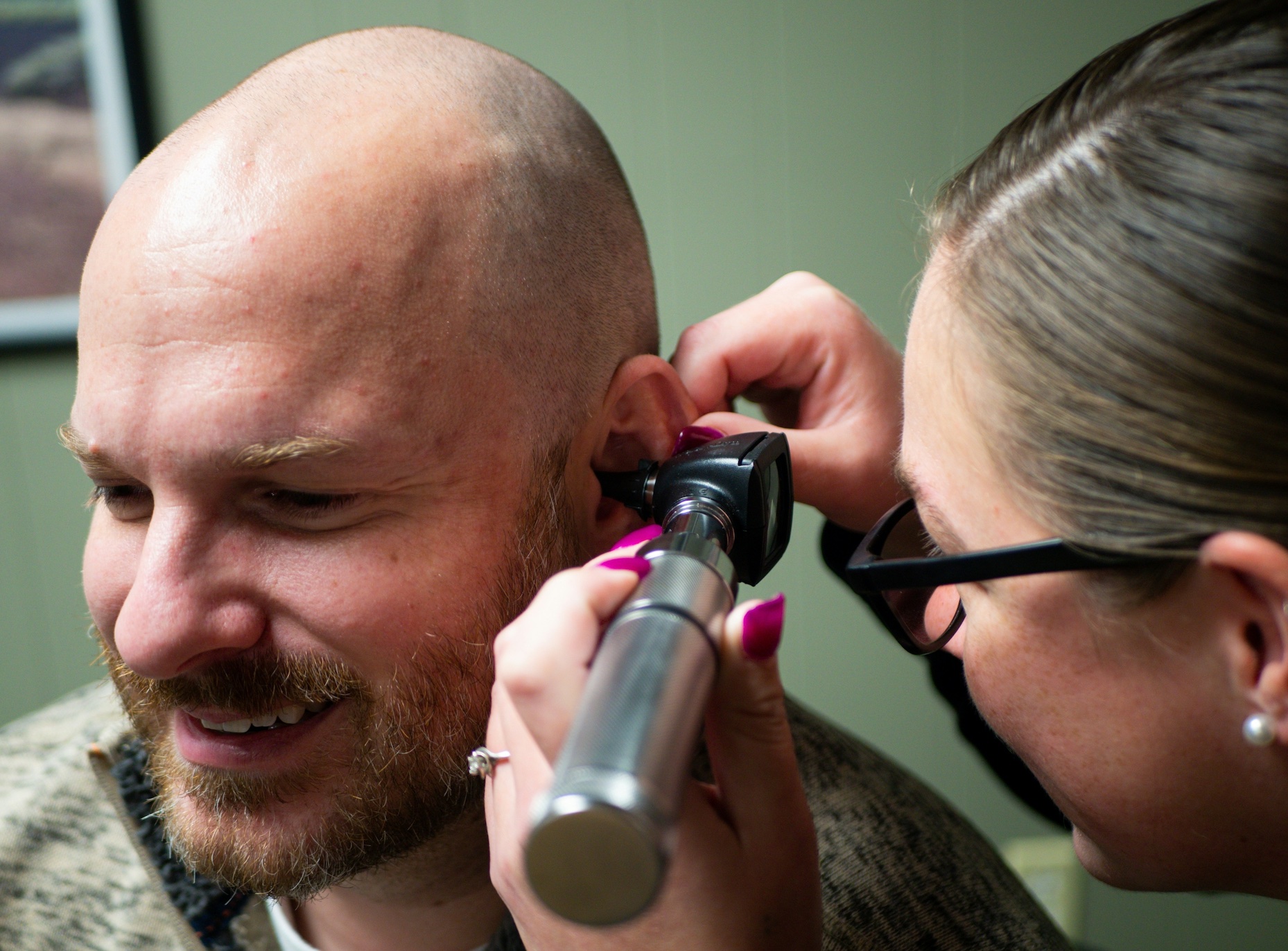
For a growing number of patients, flexible payment plans help them get hearing aids right away but pay for them over time. These services help with upfront costs if a workers’ compensation claim is still being processed or partly disputed.
This option does not take the place of the legal process or promise reimbursement, but it can help meet hearing needs without having to wait for a settlement, which can sometimes take an uncertain amount of time.
Taking a Practical Approach to Hearing Loss Claims
For workers navigating occupational hearing loss, the legal and medical realities often unfold at different speeds.
Understanding the challenges of proving a claim can help individuals plan more effectively. This might mean collecting strong medical records as soon as possible, talking to legal experts, and looking into temporary care options if your benefits are delayed.
Workers’ compensation is meant to help, but the process can be slow. Taking care of hearing loss early can really improve your safety and quality of life.
Join the conversation!