
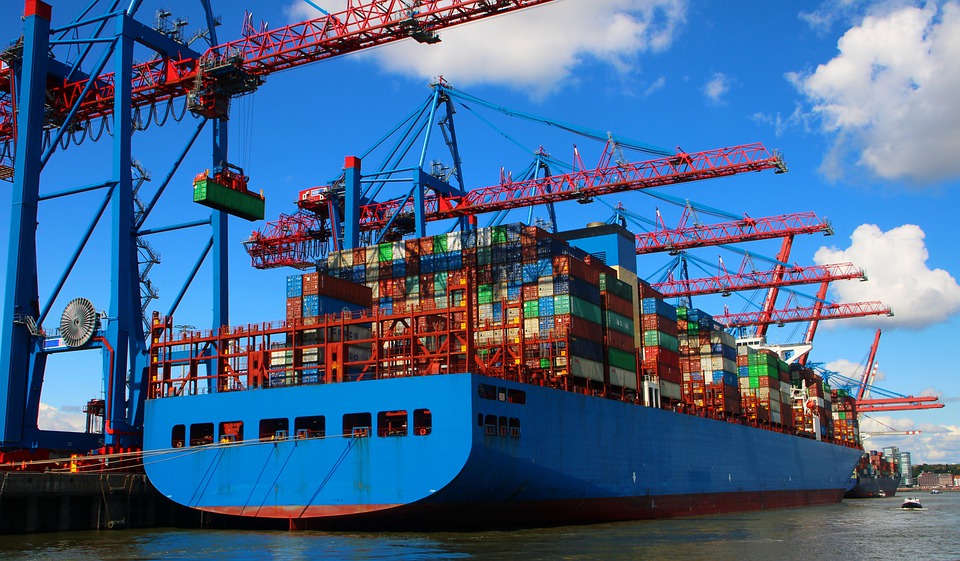
The Jones Act continues to remind the industry that protecting the people who operate ships is just as important as moving cargo across the sea.
Life at sea has always carried a certain amount of risk. Long shifts, heavy equipment, unpredictable weather, and remote work environments create conditions that few other professions experience. For those who make their living on vessels, injuries can have serious consequences not only for their health but also for their ability to support their families. To address these challenges, the United States created a law designed specifically to protect maritime workers. That law is known as the Jones Act.
While many people have heard the name, fewer understand what the Jones Act actually does or why it remains such an important part of maritime law today. At its core, the legislation provides legal protections and rights to seafarers who are injured while working aboard a vessel. It recognizes the unique dangers of maritime employment and offers a pathway for workers to seek compensation when negligence plays a role in an accident.
What the Jones Act Is and Why It Exists
The Jones Act is part of the Merchant Marine Act of 1920, a law originally created to strengthen the American maritime industry after World War I. One section of the act focuses specifically on worker protections, allowing injured seafarers to pursue legal claims against their employers when negligence contributes to an injury.
Before the Jones Act, maritime workers had far fewer legal protections than employees in land-based industries. If someone was injured at sea, their options for financial recovery were limited. The Jones Act changed that by allowing seamen to file claims similar to personal injury lawsuits, giving them the opportunity to recover damages for medical costs, lost wages, and pain caused by unsafe working conditions.
This law recognizes that maritime workers often operate in environments where safety hazards can appear quickly. By holding employers accountable for negligence, the Jones Act encourages shipowners and operators to maintain safer vessels and training practices.
Who Qualifies for Protection Under the Jones Act
Not everyone who works near water qualifies for protection under the Jones Act. The law specifically applies to “seamen,” which generally means workers who spend a significant amount of their time contributing to the operation of a vessel that navigates in navigable waters.
This can include crew members on cargo ships, tugboats, fishing vessels, offshore supply ships, and certain oil platform support vessels. The key factor is that the worker must play a role in the vessel’s function or mission and spend a meaningful portion of their work time aboard it.
Because the definition can sometimes be complex, injured workers often consult attorneys familiar with maritime law. In many situations, Jones Act experts help determine whether someone meets the legal criteria for seaman status and what options are available after an accident.
How the Law Protects Injured Seafarers
One of the most important aspects of the Jones Act is the right it gives seafarers to seek compensation when an employer’s negligence contributes to an injury. This negligence could involve several different scenarios.
For example, a vessel owner might fail to maintain safe equipment, provide proper safety training, or ensure adequate crew levels. A slippery deck that is never cleaned, faulty machinery that is left unrepaired, or poor communication during dangerous operations can all create situations where accidents occur.
If a worker can show that negligence played even a small role in the incident, the Jones Act may allow them to pursue compensation through a legal claim. This is different from some other legal standards that require a higher level of proof. Maritime law recognizes the inherently hazardous nature of life at sea, which is why the burden of proof is relatively worker-friendly.
Why Maritime Cases Require Specialized Knowledge
Maritime law differs significantly from traditional personal injury law. The rules governing vessels, navigable waters, and international shipping can be complex. Jurisdiction issues, vessel ownership structures, and industry regulations often add additional layers to a case.

Because of these complexities, legal professionals who focus on maritime law develop a specialized understanding of how these claims work. Investigating accidents at sea often requires reviewing ship logs, safety procedures, maintenance records, and witness statements from crew members.
Experienced maritime attorneys know how to interpret these records and determine whether safety standards were followed. Their knowledge can be essential when navigating the legal process after a maritime injury.
The Broader Impact of the Jones Act
Beyond protecting individual workers, the Jones Act has played an important role in shaping safety standards across the maritime industry. Employers know that failing to maintain safe working conditions can lead to legal liability, which encourages better training, maintenance, and oversight.
Over time, this accountability has helped push the industry toward stronger safety cultures aboard vessels. Crew members are more likely to receive proper equipment, safety briefings, and hazard awareness training because companies understand the consequences of negligence.
For maritime workers and their families, these protections offer a sense of security in a profession that still involves real risks.
Understanding these rights helps ensure that maritime workers know where to turn if an accident occurs. More importantly, the Jones Act continues to remind the industry that protecting the people who operate ships is just as important as moving cargo across the sea.
Join the conversation!