
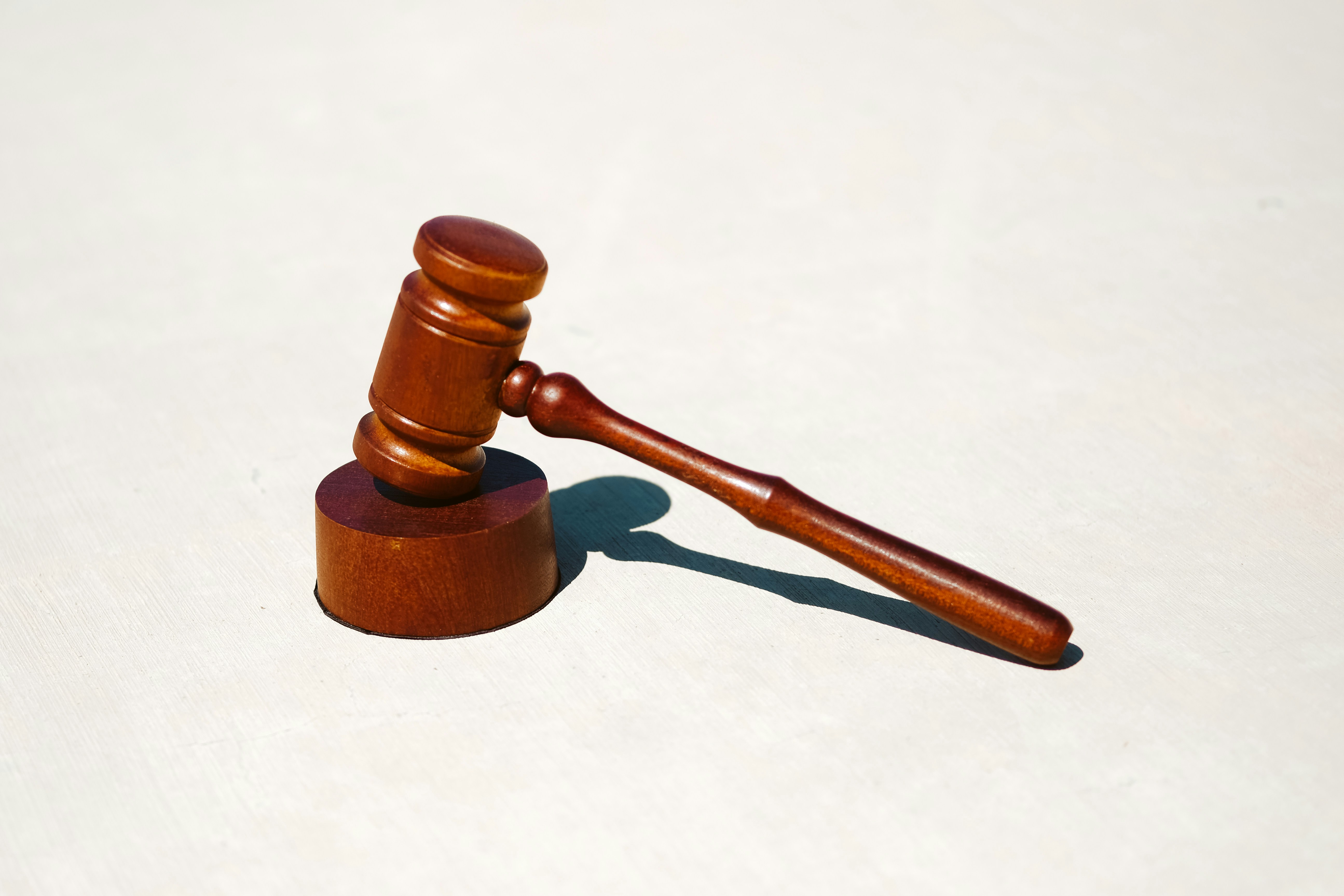
Ensuring accountability extends beyond individual cases to broader societal interests.
Personal injury cases often arise when someone suffers harm due to another party’s actions or negligence. These cases can involve car accidents, slip and falls, or incidents occurring in workplaces or public spaces. The legal system provides avenues to seek compensation for medical expenses, lost wages, and other damages resulting from such incidents. The details of each case vary, but the underlying principle is that individuals have a right to be protected from harm caused by others’ carelessness or recklessness. Establishing liability requires examining the circumstances carefully, including eyewitness accounts, expert testimony, and any available documentation related to the incident.
In civil litigation, personal injury claims often involve multiple legal considerations. Insurance policies, state statutes, and precedent from prior cases influence how claims are handled. Attorneys play a critical role in guiding clients through these complex procedures, ensuring evidence is preserved, deadlines are met, and negotiations are conducted effectively. While many cases are resolved through settlement, some proceed to trial when parties cannot agree. Each step requires strategic legal analysis and attention to procedural rules to protect the injured party’s rights and maximize recovery under the law.
Legal Considerations Surrounding Personal Injury
Personal injury can encompass a wide range of incidents, from minor accidents to severe injuries with long-term consequences. According to www.dwaccidentlawyer.com, car accidents are among the most common sources of personal injury claims, often involving disputes over fault, damages, and insurance coverage. Legal frameworks exist to determine responsibility, including doctrines like comparative negligence, which assigns fault proportionally, and strict liability in cases where negligence is not required to establish responsibility. Attorneys specializing in personal injury focus on gathering evidence such as accident reports, medical records, and expert evaluations to build a case that accurately represents the client’s losses and legal rights.
The potential outcomes of personal injury claims are influenced by both statutory limits and judicial interpretation. Damages awarded can include compensation for medical care, rehabilitation, lost income, emotional distress, and in some cases, punitive damages designed to discourage particularly egregious conduct. Legal strategies often involve negotiating with insurance companies and opposing counsel, filing motions to protect evidence, and preparing for trial when necessary. The law emphasizes fairness and proportionality, aiming to restore injured parties to their prior condition while holding responsible parties accountable under civil statutes.
Evidence and Documentation in Civil Incidents
Accurate documentation is critical in personal injury cases. Police reports, witness statements, photographs, and medical records serve as foundational evidence. Each piece of information can influence legal outcomes, determining liability and the extent of damages. Attorneys meticulously review these materials to identify inconsistencies, corroborate claims, and present a coherent narrative to insurers or the court. The importance of timely documentation cannot be overstated, as delays or gaps may weaken the case or result in the loss of legal protections due to statutes of limitations.
Medical documentation plays a particularly pivotal role, linking injuries directly to the incident in question. Physicians’ evaluations, diagnostic tests, and treatment records provide objective evidence of the harm suffered. These records help establish the severity and duration of injuries, which is essential for calculating compensation. In complex cases, expert testimony may be required to interpret medical findings, demonstrate causation, and clarify long-term implications for the injured party. Legal teams ensure all documentation is organized, accurate, and admissible, maintaining strict compliance with procedural requirements.
Insurance and Negotiation Dynamics
Insurance coverage and negotiation significantly shape the resolution of personal injury claims. Policies often define the scope of coverage, limits of liability, and procedures for submitting claims. Insurers may conduct investigations to assess liability and the value of damages, which can involve reviewing accident reports, medical records, and client statements. Legal counsel is essential in navigating these interactions, ensuring that the injured party is not unfairly pressured into a settlement that undervalues their claims or waives critical rights.
Negotiations between claimants and insurers require careful legal planning. Attorneys evaluate offers in light of statutory entitlements, medical costs, lost wages, and long-term rehabilitation needs. Settlements may avoid the time and expense of trial while providing reasonable compensation, but parties must be cautious to avoid agreeing to terms that fail to fully address current and future damages. Effective negotiation hinges on a detailed understanding of the law, persuasive presentation of evidence, and awareness of potential pitfalls in settlement agreements.
The Role of Legal Counsel
Legal representation is indispensable in personal injury cases. Attorneys advise clients on procedural requirements, gather evidence, and advocate for fair compensation. They provide guidance on filing claims, interacting with insurers, and, if necessary, initiating lawsuits. Counsel ensures that deadlines are met and that all legal standards are observed, protecting clients from potential procedural errors that could compromise their rights. In complex cases, legal strategies are tailored to the unique circumstances, considering factors such as liability, causation, and potential defenses from opposing parties.

Attorneys also play a strategic role in settlement discussions and trial preparation. They assess the strengths and weaknesses of a case, advise clients on realistic outcomes, and develop arguments to support claims for damages. Legal counsel works to balance the need for prompt resolution with the goal of securing comprehensive compensation, which may include future medical care, ongoing rehabilitation, and compensation for diminished earning capacity. The presence of experienced legal professionals often determines the effectiveness of pursuing justice and achieving results in line with statutory protections.
Protection and Accountability in Civil Incidents
Maintaining accountability and securing compensation following a personal injury incident are central objectives of civil law. Civil statutes provide remedies to redress harm, enforce responsibilities, and deter negligent behavior. Individuals who suffer injury gain access to legal mechanisms designed to restore losses and establish liability, ensuring that responsible parties cannot avoid consequences. The resolution of claims involves careful documentation, legal representation, and adherence to procedural rules, reinforcing both protection and accountability in the civil justice system.
Ensuring accountability extends beyond individual cases to broader societal interests. By holding negligent parties responsible, civil law incentivizes safer practices, encourages compliance with safety standards, and mitigates future risks. The process emphasizes fairness and equity, balancing the rights of victims with legal protections for those accused of causing harm. Through diligent documentation, effective advocacy, and strategic application of the law, individuals and their counsel work to achieve outcomes that reflect the seriousness of the incident and the necessity of legal accountability.
Join the conversation!