
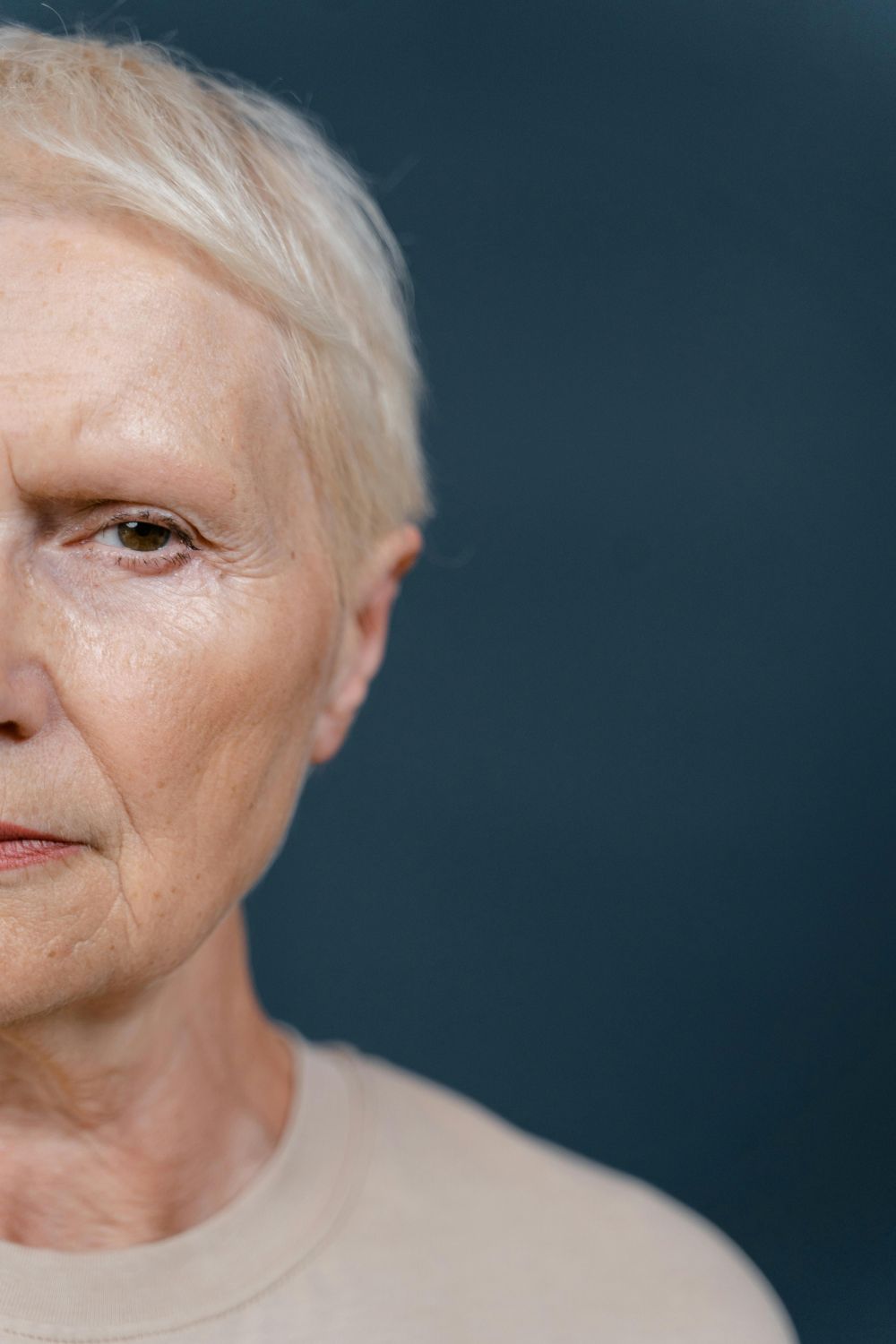
Faster facial aging may signal poorer survival in cancer patients.
A growing body of research suggests that a person’s facial aging may reveal more than simple appearance, offering clues about overall health and even survival in serious illness. Scientists are now studying how changes in facial features over time could help predict outcomes for people with cancer. The idea centers on the belief that how fast someone appears to age may reflect deeper biological processes happening inside the body.
Not all people age at the same rate. Two individuals of the same age can look very different, and this difference may be tied to how their bodies are functioning at a cellular level. Researchers have been looking for simple ways to measure this “biological age” rather than relying only on the number of years a person has lived. One newer approach uses computer systems trained to study facial images and estimate how old someone appears based on features like skin texture, facial shape, and volume changes.
In earlier work, scientists found that cancer patients who appeared older than their actual age often had worse outcomes. Building on that idea, a new study explored whether tracking changes in facial aging over time could offer even more insight. Instead of looking at a single photo, researchers compared images taken at different points during treatment to measure how quickly a person’s appearance changed.
This measure, known as the facial aging rate, reflects how much a person’s predicted age shifts over a certain period. A faster increase suggests that the body may be under greater stress, possibly from disease or treatment. The study examined more than two thousand cancer patients who were receiving radiation therapy. For each person, two photos taken during routine care were analyzed using artificial intelligence to estimate biological age at each point.
The findings showed a clear pattern. Patients whose facial aging rate was higher tended to have lower survival rates. This link held true even after accounting for factors such as sex, race, and type of cancer. In some cases, the difference was striking. Those with faster changes in appearance over time faced a much greater risk of death compared to those whose facial aging progressed more slowly.
The relationship was seen across different time frames between photos. Whether the images were taken months or years apart, a higher aging rate was tied to worse outcomes. The effect appeared even stronger over longer periods, suggesting that steady changes in appearance may provide a meaningful signal about overall health.
Researchers also looked at how starting point and rate worked together. Patients who already appeared older than their actual age at the beginning and then showed rapid aging over time faced the highest risk. This combination may reflect both existing health strain and ongoing decline, making it a powerful indicator of prognosis.
There are several possible reasons behind these findings. Rapid changes in facial features may mirror processes such as cell damage, inflammation, or the body’s response to treatment. Cancer and its therapies can place heavy stress on the body, and these effects may show up in subtle ways that are visible in the face before other signs become clear.
One reason this method has drawn interest is its simplicity. Taking a photo is quick, low cost, and noninvasive. If proven reliable, it could become an easy way to monitor changes in health over time. Doctors might use this information alongside other tests to guide treatment decisions, adjust care plans, or identify patients who need closer support.
However, there are limits to what can be concluded so far. The study focused on a specific group of patients, and results may not apply to everyone. Other factors, such as weight loss, side effects from treatment, or general health conditions, could also affect how a person’s face changes. In addition, concerns remain about privacy and fairness when using facial analysis tools in medical settings.
Further research is needed to confirm these findings and to explore how they could be used in everyday care. If future studies support the results, tracking facial aging could become part of a broader effort to better understand how the body responds to illness. For now, the work offers a new way of thinking about the connection between outward appearance and inner health, especially in serious diseases like cancer.
Sources:
How fast your face ages may predict cancer survival outcomes
Face aging rate quantifies change in biological age to predict cancer outcomes
Join the conversation!