

New disease outbreaks expose weaknesses in worldwide emergency health response systems.
Health officials are expressing growing concern over whether enough is being done to mitigate the spread of deadly viruses after two separate disease outbreaks occurred simultaneously. Ebola cases are climbing in the Democratic Republic of Congo, while hantavirus infections connected to a cruise ship in South America continue to spread. Even though these viruses are entirely different, both situations have raised global health concerns and placed more of a focus on emergency preparedness limitations.
In Congo, health agencies have reported hundreds of Ebola cases, many of which have been fatal. Ebola is a deadly viral illness that spreads through contact with blood or bodily fluids of an infected person or animal. Symptoms include developing a fever, fatigue and weakness, muscle pain, headaches, and severe gastrointestinal issues. Ebola can also cause internal or external bleeding, organ failure, severe dehydration and death. Early testing suggests the virus may be a strain that differs from previous outbreaks, and medical teams are currently struggling with violence, limited access to roadways, medical supplies being short in supply, and fear in local communities. These problems have made it harder for health workers to track infections and stop the spread.
At the same time, in Argentina, health officials are expressing global health concerns while looking into the hantavirus outbreak. Hantavirus is a rare but serious virus spread mainly through contact with urine, droppings, or saliva of rodents already infected with it. People can become sick after breathing in tiny particles contaminated by rodent waste, particularly in enclosed spaces like cruise ship cabins. Often, flu-like symptoms appear, including fever, muscle aches, headaches, chills, nausea, and tiredness. In severe cases, the virus can lead to serious breathing problems, called pulmonary syndrome.
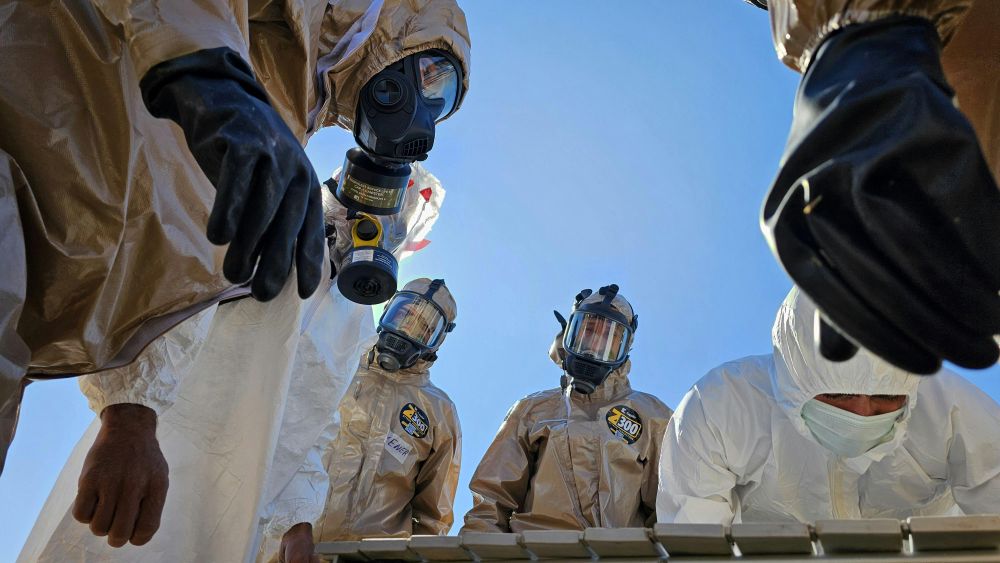
Hantavirus is much less common than Ebola, but the outbreak gained attention because travelers from different countries may have been exposed before anyone realized something was wrong. After COVID, experts warned the public about other infectious diseases appearing and spreading quickly. Yet, instead of proactively tightening up emergency preparedness plans, funding issues, political fighting and staff shortages haven’t stopped this from happening.
Other issues have also contributed to the difficulties officials have in controlling the spread of these viruses. Climate changes are affecting the number of insects and animals that carry infections and larger cities, and crowded areas make it easier for viruses to spread. Natural disasters, like the growing number of wildfires in dry climates, have limited resources. In Congo, specifically, violence and poverty have damaged hospitals and medical services.
The hantavirus cases connected to cruise ship travel is a prime example of how these illnesses can quickly spread to multiple countries at once. Those aboard the ship can unknowingly carry infections back home before symptoms appear. The World Health Organization and Africa CDC are helping these countries share information, test samples, send medical teams, and coordinate emergency responses. They’re also continuing to track the spread of the disease to monitor its impact. Meanwhile, experts are stressing to the public not to panic, but to stay informed and exercise precautions like proper handwashing and avoiding crowded spaces when possible. While diseases like Ebola and the hantavirus aren’t going to be eliminated anytime soon, it is possible to put simple safeguards like this in place to limit the public’s exposure.
Sources:
Ebola, hantavirus: We’re ill-prepared for global outbreaks
Inside America’s only federal quarantine unit for hantavirus cruise passengers
Join the conversation!