
Health officials warn nicotine pouches are rapidly spreading among young people.
The World Health Organization (WHO) has issued a warning to families about the growing popularity of nicotine pouch use among teenagers and young adults. Health officials said the products are spreading quickly around the world while laws struggle to keep pace with demand.
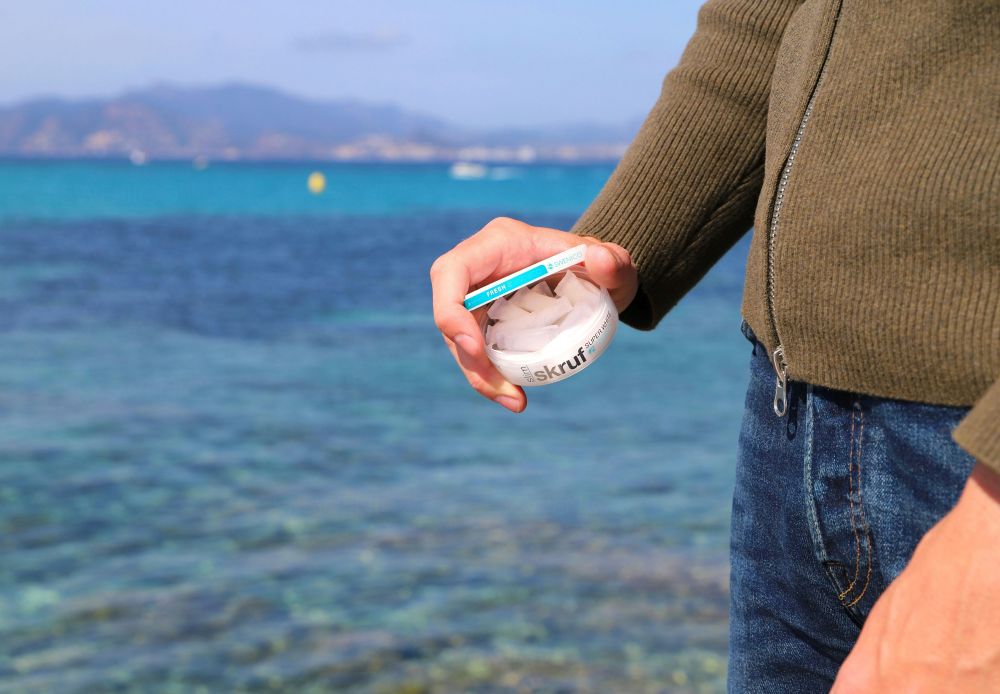
Nicotine pouches are small packets that are placed between the lip and gum. They release nicotine into the body through the mouth and often come in flavored varieties such as mint, fruit, candy, bubble gum, and gummy bears, which can be appealing to a younger crowd. Unlike cigarettes or vaping devices, the pouches do not produce smoke or vapor, which also make them easier to hide from parents, teachers, and other adults.
According to a new WHO report, worldwide sales of nicotine pouches rose above 23 billion units in 2024 alone, spiking significantly from the previous year. The market for the products was estimated to be worth nearly $7 billion in 2025.
Health officials said many countries still have little or no regulation covering nicotine pouches. WHO reported that about 160 countries currently have no specific rules for the products. Only 16 countries have banned them completely, while a smaller number have put restrictions on sales, advertising, or flavors.
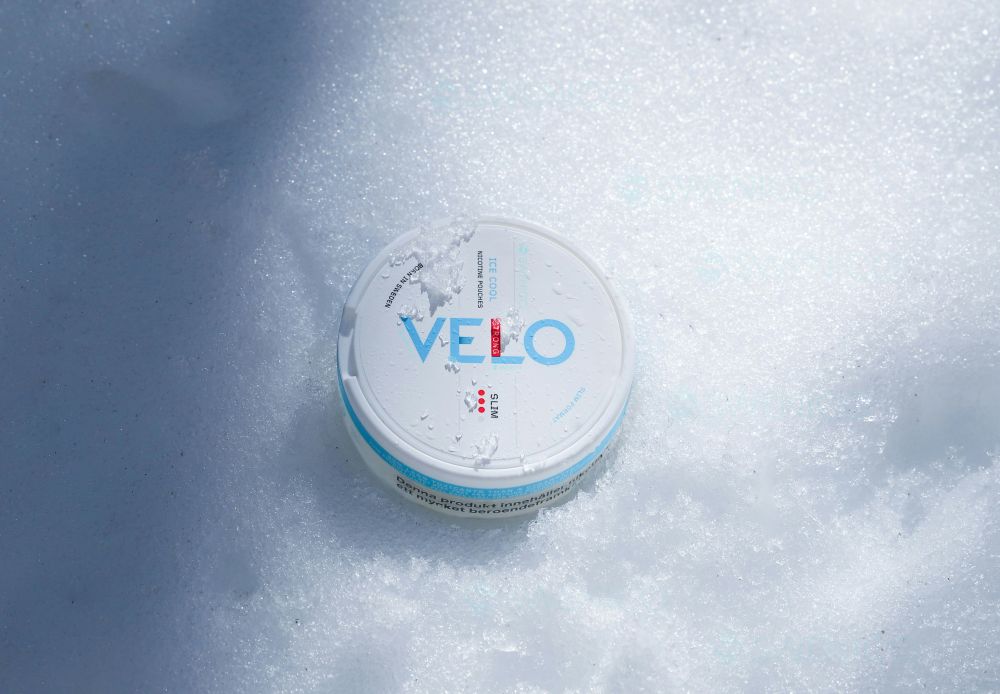
Public officials said the fast growth of nicotine pouches is being driven partly by aggressive marketing directed toward younger audiences. Companies selling the products often use colorful packaging, sweet flavors, influencer promotions, and social media advertising that appeals to teenagers and young adults. Some products are packaged in ways that resemble candy containers or mint tins, increasing concern among parents and health workers.
Health experts also warned about possible heart and blood vessel risks tied to nicotine use. Some nicotine pouch products contain very high levels of nicotine, with certain brands marketing different strength levels labeled for beginners, advanced users, or experts. WHO said some pouches have nicotine amounts reaching 150 milligrams, raising concern about overdose risks and strong addiction potential.
Dr. Vinayak Prasad of WHO’s Tobacco Free Initiative said governments should move quickly to put stronger safeguards in place before the products become even more widespread among young people. Officials said many countries are already seeing nicotine pouch use rise in schools, public spaces, and social settings.
The report also warned that companies are promoting the products as discreet and socially acceptable alternatives to smoking or vaping. Some advertisements encourage people to use nicotine pouches in schools, offices, restaurants, and other smoke-free areas because the products can be hidden easily inside the mouth.
WHO officials said sponsorships connected to sports events, music festivals, and social media personalities, commonly visible by younger generations, are also helping normalize use. Public health workers fear the growing visibility of the products may make nicotine addiction seem less dangerous than smoking cigarettes.
To address the issue, WHO is asking governments to adopt stronger rules covering all nicotine and tobacco products. Recommendations include banning or limiting flavors that appeal to children, restricting advertising and influencer promotions, enforcing stronger age verification laws, placing warning labels on packaging, and taxing nicotine products to make them less affordable.
The organization also encouraged governments to monitor how nicotine pouch companies market their products and track patterns of use among young people. Officials said better enforcement and stronger public education campaigns may help prevent more teenagers from becoming addicted.
Sources:
WHO warns of rising nicotine pouch addiction among youth
WHO warns loosely regulated nicotine pouches risk youth addiction
Join the conversation!