
Recovery advocates and businesses prepare for Tennessee’s upcoming kratom ban.
The upcoming Tennessee kratom ban is creating some concern among the state’s business owners, addiction recovery workers, and people who rely on the substance. Beginning July 1, kratom will no longer be legal for sale in the state at all, after lawmakers approved a measure that removes the substance from store shelves. The decision follows a nationwide growing debate over kratom’s safety and its role in addiction recovery.
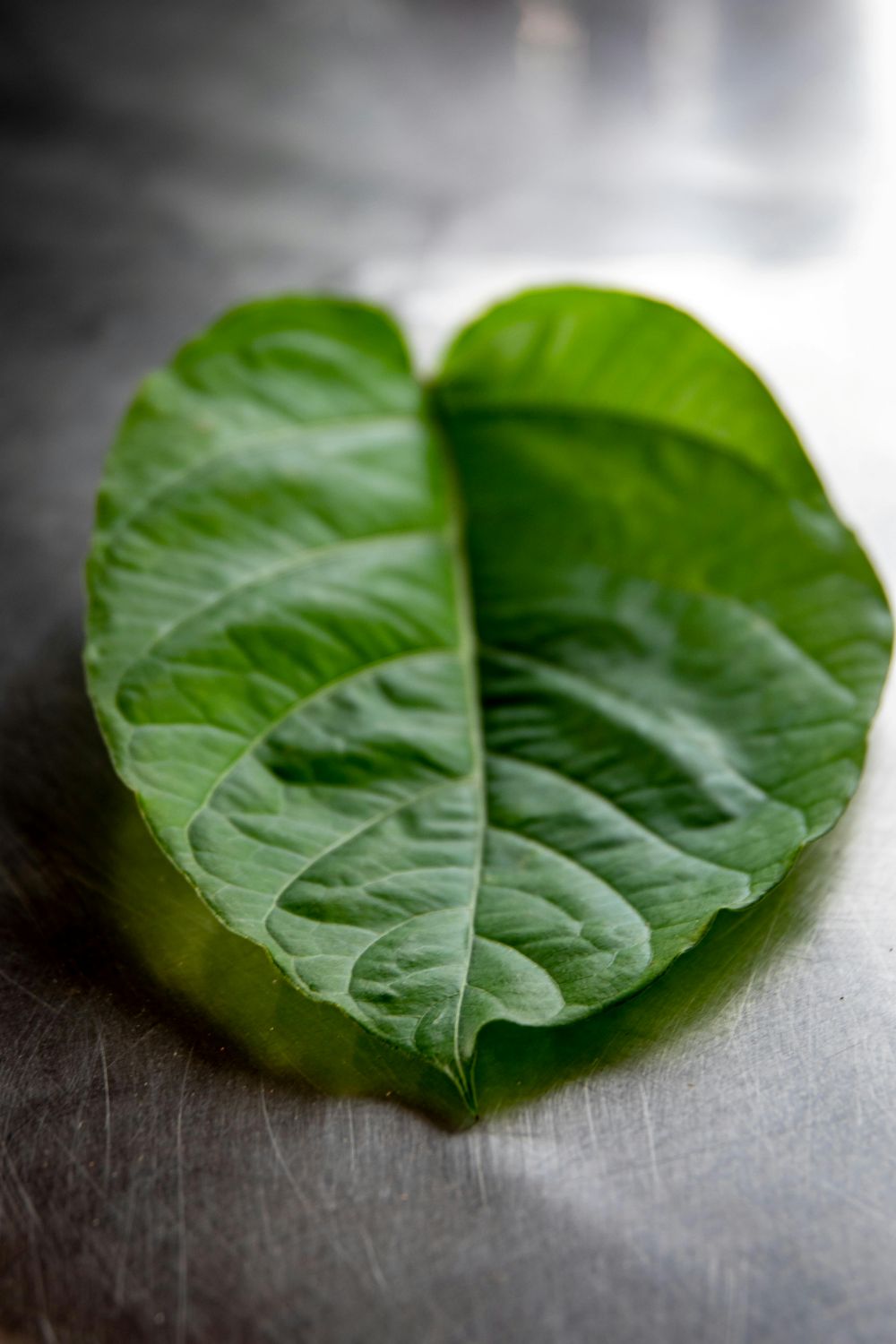
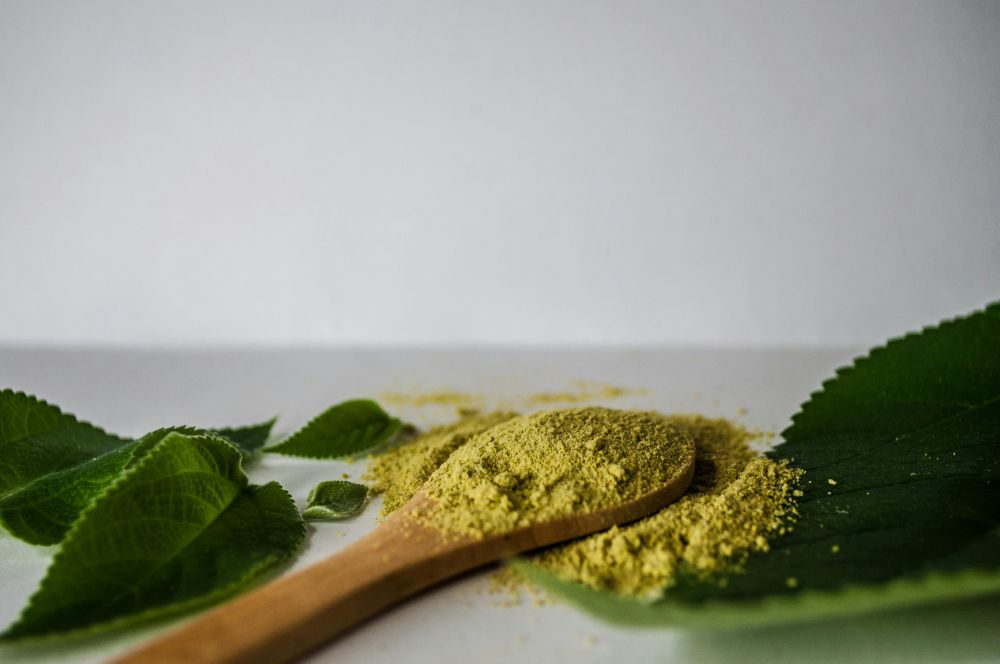
Kratom, which is made from leaves of a tree native to Southeast Asia, is commonly sold as capsules, powders, drinks, and extracts. Oftentimes, it’s added to the ingredient lists of gas station and smoke shop energy drinks and it’s not always immediately evident that these products contain the substance. Some people use it for energy, pain relief, or to help manage withdrawal from opioids. Others warn that it can lead to dependence and difficult withdrawal symptoms of its own.
Supporters of the ban point to increasing reports of addiction linked to kratom. Tennessee lawmakers referred to the substance as “gas station heroin” during discussions about the legislation, a phrase meant to reflect concerns about its widespread availability and the potential risks tied to regular use.
People working in addiction treatment have seen both sides of the issue. Ashlee Krouse, a senior operations coordinator at Renew Clinic, believes the ban may provide long-term benefits by reducing access to a substance that can become addictive. At the same time, she worries about what may happen immediately after the law takes effect.
Krouse, who has been in recovery from heroin addiction for nearly a decade, said some individuals have described kratom withdrawal as being even harder than coming off heroin. These experiences have raised concerns among treatment providers who work with people struggling with substance use and feel they could get an influx of patients struggling with extreme withdrawal symptoms.
Treatment centers are already seeing signs of anxiety among kratom users. Staff members have even reported receiving proactive referrals from people seeking help before the ban even begins. Some are worried about withdrawal, while others are unsure how they will manage without access to a product they have relied on for months or even years.
Drew Mann, chairman of Renew Clinic, encouraged people to seek professional help before the ban takes effect rather than waiting until they are forced to deal with withdrawal on their own. Recovery specialists say planning ahead may reduce the risk of relapse and help people find safer treatment options.
The ban is also expected to have a financial impact on businesses that sell kratom products. Paul DiBrito, chief executive officer of Kats Botanicals, said Tennessee has been one of the company’s strongest markets. According to DiBrito, the law will prevent sales to roughly 3,500 customers in the state. He is estimating that those customers spend about $120 per month on average, creating a significant loss in annual revenue. As a result, the company has already begun ending shipments into Tennessee and is relocating its warehouse operations to neighboring Kentucky.
DiBrito believes the ban could create unintended problems. He worries that some former customers may seek kratom through illegal channels, while others may require addiction treatment services. In his view, the loss of legal access may create challenges that extend beyond the businesses affected by the law.
The debate surrounding kratom has divided health experts, lawmakers, and consumers across the country for some time. Critics of over-the-counter kratom sales point to cases of addiction, withdrawal, and health complications. Supporters argue that the supplement has helped many people reduce their dependence on prescription painkillers or illicit opioids. This nationwide debate is likely to continue for some time as awareness around the risks and benefits of kratom use continues to increase.
Sources:
Tennessee kratom ban takes effect July 1
TN House passes bill to ban kratom named after Chattanooga man
Join the conversation!