
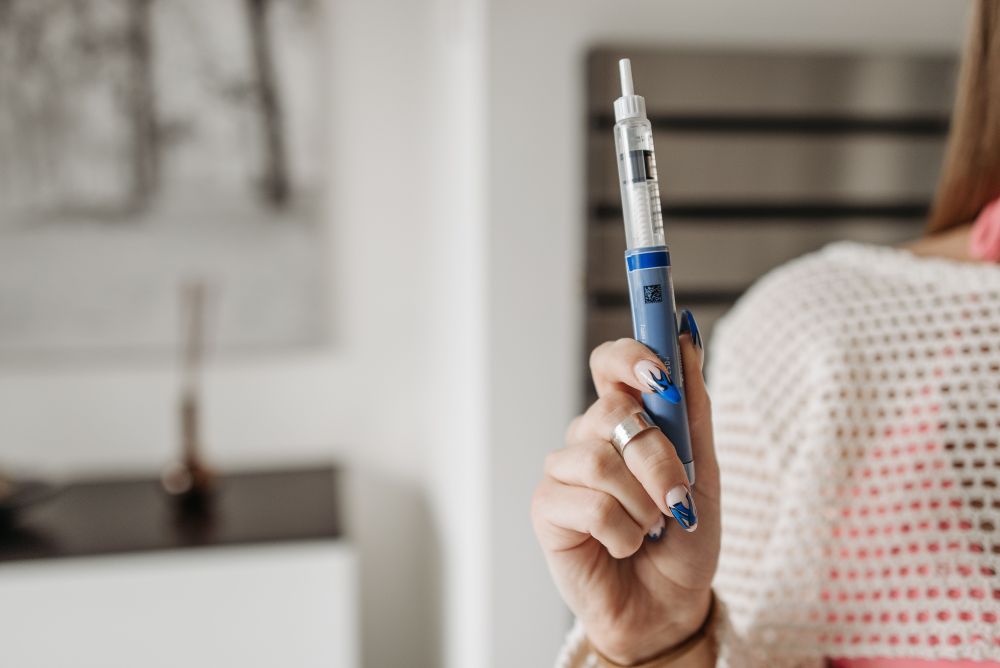
Study finds many patients pause GLP-1 drugs before eventually restarting treatment.
A new study found that many people taking popular diabetes and weight-loss drugs do not stay on the medications continuously. Instead, many stop GLP-1 treatments for a period of time and later begin again, creating a pattern that researchers say has not been fully understood until now. The findings were presented at ENDO 2026, the annual meeting of the Endocrine Society in Chicago. Researchers from Boston University School of Public Health examined insurance claims from more than 60,000 adults with type 2 diabetes who were prescribed GLP-1 medications between 2019 and 2025. The group included people taking liraglutide, semaglutide, and tirzepatide, three drugs that have become increasingly common in recent years because of their effects on blood sugar, weight, and heart health.
Researchers wanted to answer two basic questions. First, how often do patients stop taking these GLP-1 treatments? Second, if their GLP-1 treatments stop, how often do patients return to it? The results showed that stopping treatment is far more common than many people may think. In fact, about four out of every ten patients stopped taking a GLP-1 drug within the first year. By the end of two years, nearly six out of ten had stopped treatment at least once. Researchers defined discontinuation as going more than 60 days without refilling a prescription.
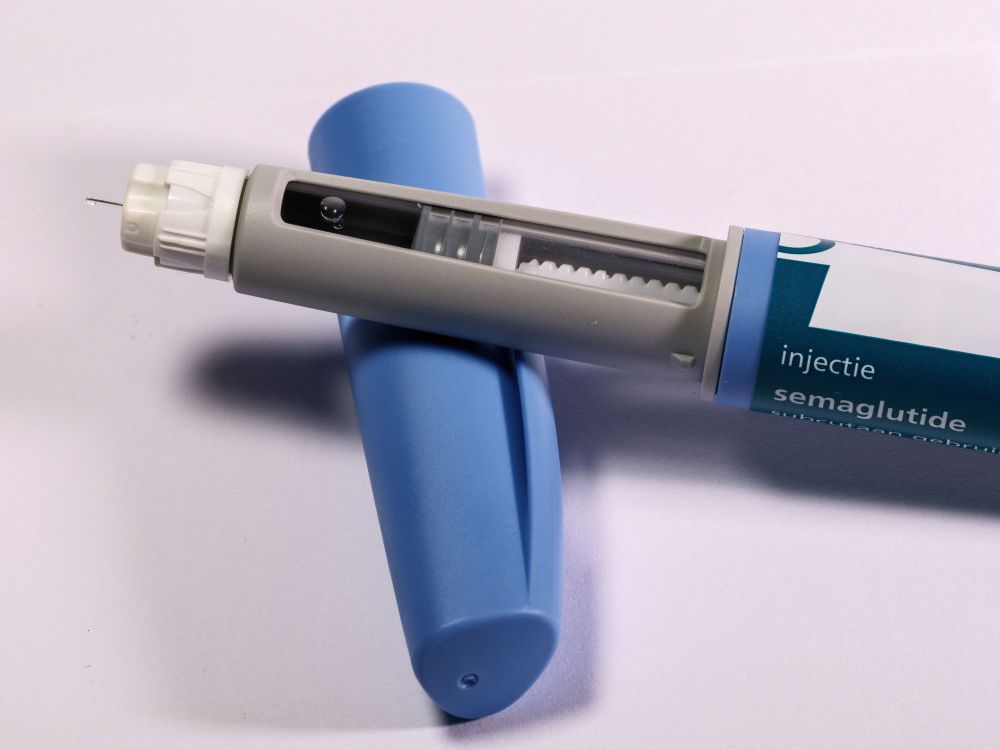
Even with those numbers, researchers found reason for optimism. Many patients who stopped eventually returned to treatment. More than 40 percent restarted within one year, and nearly 60 percent restarted within two years. Rather than leaving these medications behind permanently, many patients appeared to cycle on and off treatment.
Researchers said this pattern may change the way doctors and health systems think about medication adherence. Instead of viewing patients as either staying on treatment or abandoning it entirely, there may be a middle ground where interruptions are common and support during those periods becomes more important. The study also considered factors linked to stopping, finding patients covered by Medicaid or Medicare were more likely to discontinue their medication during the first year. Black patients also showed higher rates of stopping treatment compared with other groups.
Side effects played a major role as well. People who experienced nausea or stomach problems had a greater chance of discontinuing treatment. Digestive issues are among the most commonly reported side effects of GLP-1 drugs, and for some patients they can become difficult to tolerate. The type of medication also mattered. Patients taking newer drugs, especially tirzepatide, were less likely to stop treatment than those taking older medications such as liraglutide. Tirzepatide users had a 41 percent lower chance of discontinuing treatment, while semaglutide users had a 28 percent lower chance compared with people taking older drugs.
GLP-1 drugs have become some of the most talked-about medications in medicine. Originally developed to help manage type 2 diabetes, many are now prescribed for weight loss and have shown benefits that extend beyond blood sugar control. Studies have linked the drugs to lower risks of heart disease, kidney problems, and other health complications. Because of those benefits, researchers say staying on treatment can be important. Interruptions may reduce the effects that these medications can provide over time.
Researchers hope the study encourages doctors, insurance companies, and health officials to focus on helping patients remain engaged with treatment, even after discontinuing temporarily.
Sources:
Study reveals frequent stop-and-start patterns with GLP-1 drugs
More than half of those who stop GLP-1s restart within a year
Join the conversation!