
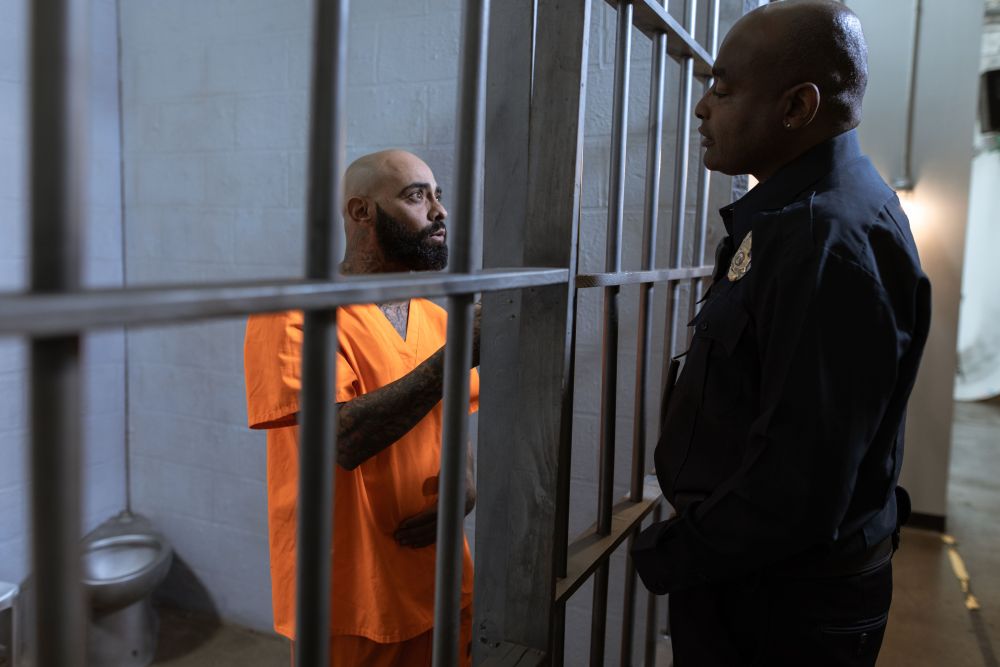
Mother’s loss sparks debate over addiction treatment delays and overdose deaths in Los Angeles jails.
For years, many families have believed jail could provide a chance for loved ones struggling with drug addiction to get clean and start over. For one Los Angeles mother, that hope ended in heartbreak after her son died from an overdose while waiting for treatment inside the county jail system. Cleavotta Morgan spoke with her son Daejon Morgan every day while he was being held at Men’s Central Jail in LA. The 20-year-old often asked to speak with different relatives, and his mother would even hold the phone near his dog so he could hear the animal bark excitedly.
That belief shattered during a phone call on October 30, 2024. Cleavotta Morgan suddenly heard people shouting in the background. A man picked up the phone and told her that her son had collapsed. Daejon Morgan later died in his cell. An autopsy found fentanyl and heroin caused the overdose, and his death has become part of a larger debate over addiction treatment in Los Angeles County jails.
According to health workers familiar with jail operations, hundreds of inmates have faced long waits to receive medication that helps treat opioid addiction. These medications, including buprenorphine and Suboxone, reduce cravings for the drugs and ease withdrawal symptoms, giving people a better chance of recovery. Los Angeles County set aside $25 million this fiscal year for addiction treatment in its county jail system. Even with that funding, however, staff members and inmates have described delays lasting weeks and sometimes months before treatment begins.
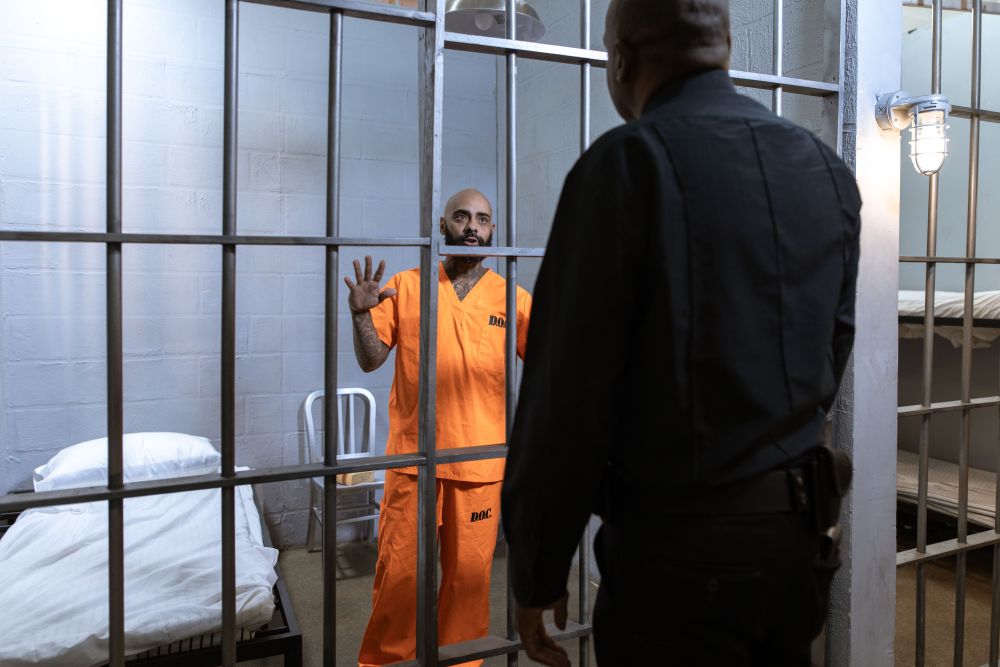
LA officials dispute that there is currently a waiting list. Robin Young, a spokesperson for the county’s Public Health Department, said previous delays were tied to budget pressures and staffing shortages, adding that inmates now have access to treatment without waiting. Still, records and interviews suggest the system has struggled at times to keep up with demand. A report from the county’s Office of Inspector General found that addiction treatment spending exceeded budget limits in 2024, with between 200 and 300 inmates still waiting for help. Later, in December 2025, this waiting list jumped to about 835 people.
Daejon Morgan’s family has filed a federal wrongful lawsuit against the county, arguing that jail officials failed to provide proper medical care after he survived another overdose just weeks earlier. The lawsuit claims that had proper care been received, Daejon wouldn’t have continued to seek out dangerous drugs. The lawsuit also claims authorities did not do enough to stop illegal drugs from entering the jail system, in general. County officials have denied responsibility and rejected many of the allegations.
Outside experts say addiction treatment should be treated like any other medical condition. Robb Layne, executive director of the California Association of Alcohol and Drug Program Executives, said even a small waiting list within the LA jail system is unacceptable. He argued that people suffering from addiction deserve the same immediate care offered to patients with diabetes or heart disease. All can be life-threatening if mishandled. County leaders are now reviewing possible changes, and supervisor Janice Hahn supported a motion earlier in 2026 seeking more information about overdose deaths and prevention efforts for those who are incarcerated.
Researchers and doctors warn that the danger does not end when inmates leave jail. People who are released without treatment face a much higher risk of overdose because their bodies lose tolerance to drugs while incarcerated. These drugs are simply more difficult to get and, thus, individuals who are addicted aren’t able to use as often, lowering tolerance over time. Medical workers who care for former inmates say many return to drug use shortly after release, too, especially if withdrawal symptoms were left untreated.
For families like the Morgans, the debate is deeply personal. Cleavotta Morgan believed jail would give her son a second chance. Instead, she now joins a growing number of families demanding answers about whether enough is being done to protect some of the county’s most vulnerable people in the LA jail system. Daejon’s death serves as yet another clear example of why addressing addiction quickly and adequately across all populations is critical.
Sources:
L.A. County Jail Overdoses Surge as Inmates Face Months-Long Waits for Addiction Treatment
Overdoses in L.A. jails fueled by treatment wait times, staffers say
Join the conversation!