
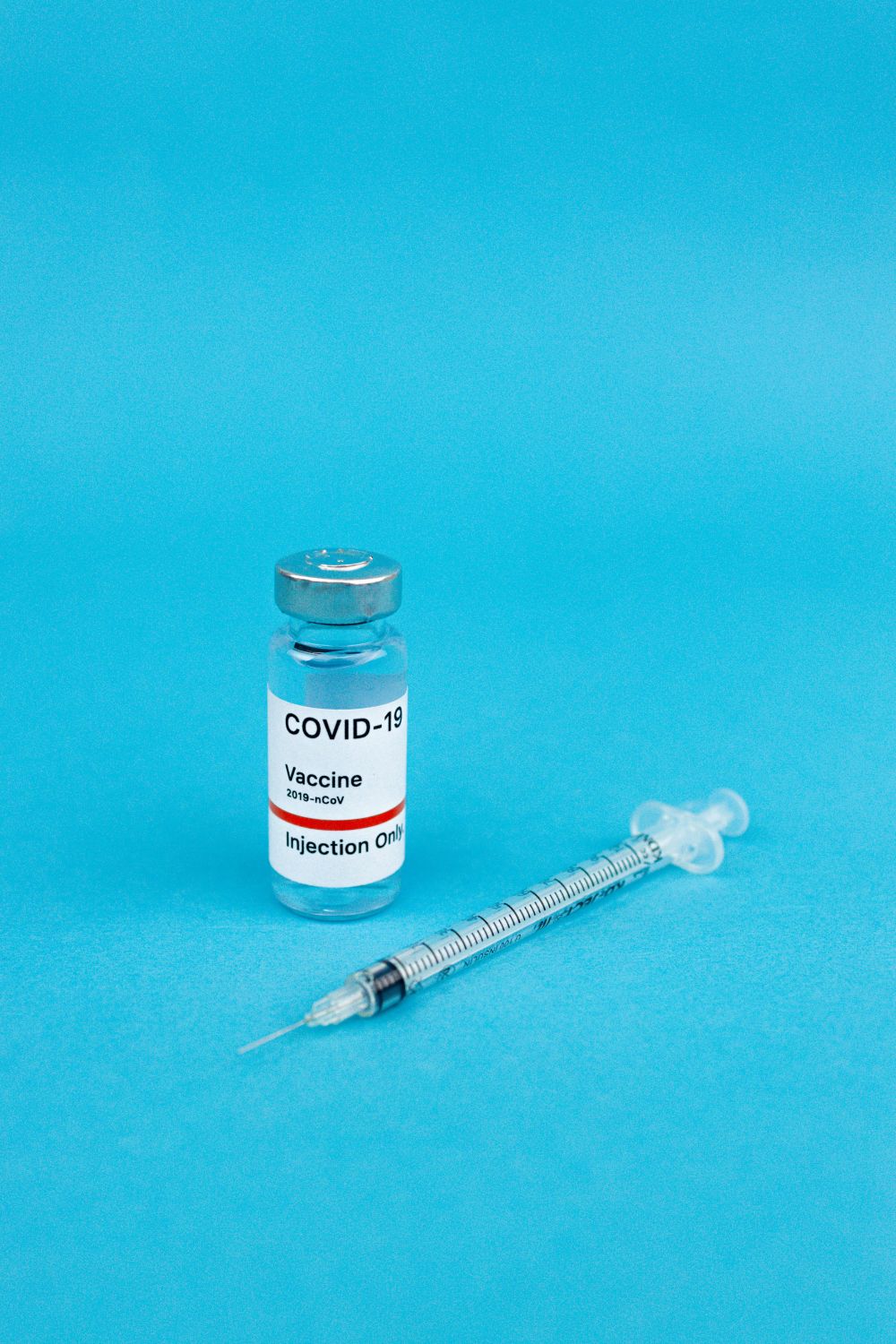
Published study found vaccines reduced severe illness and medical visits.
A study examining how well COVID-19 vaccines protected people from serious illness has been published after months of debate over its release. The research appeared Tuesday in JAMA Network Open after it was not published earlier in a government health journal as originally planned. The findings showed that COVID-19 vaccines provided meaningful protection against severe illness. According to the study, vaccinated people were about 55% less likely to be hospitalized because of COVID-19 compared with those who had not received the vaccine. The research also found that vaccinated individuals were nearly 50% less likely to spend time in an emergency room or urgent care center.
While the results were in line with many earlier studies, the path to publication drew attention from researchers and public health experts. The paper had initially been scheduled to appear in the Morbidity and Mortality Weekly Report, a long-running publication produced by the Centers for Disease Control and Prevention (CDC). However, before publication could move forward, questions were raised by officials within the agency, leading to delays.
The dispute centered on the method used by the researchers. The study relied on what is known as a test-negative design, an approach that has been used for many years to measure the effectiveness of vaccines. Under this method, researchers look at people who seek medical care for illnesses that cause symptoms similar to COVID-19. Patients are then tested, and researchers compare vaccination rates between those who test positive and those who test negative. Supporters of the approach say it offers a practical way to measure vaccine protection while an outbreak is still happening. Because patients in both groups sought medical care for similar symptoms, researchers believe the method helps reduce some common sources of bias.
Some government officials and outside experts questioned whether the method could lead to misleading conclusions, however. They argued that factors such as prior infections, differences in behavior, and varying health conditions could affect the results. Their concern was that these factors might make it harder to know exactly how much protection came from vaccination alone versus extraneous factors. Researchers who favor the method responded that no study design is perfect. They noted that the approach was developed to account for many differences among patients and remains one of the most practical ways to measure vaccine effectiveness in real time.
The debate became especially heated because some of the individuals involved played visible roles during the pandemic. Different views about public health policies, vaccine research, and pandemic response continue to influence discussions about how evidence should be gathered and presented. Despite the disagreement over methodology, the study itself adds to a large body of research examining COVID-19 vaccines. The results support earlier findings showing that vaccination can reduce the risk of severe illness and the need for emergency medical care.
As COVID-19 continues to evolve and immunity levels change across the population, along with the composition of the virus, researchers say ongoing studies will be important. New variants, changing patterns of infection, and updated vaccines make continued monitoring necessary to understand how well protections hold up over time.
Sources:
COVID-19 vaccine study that was blocked from CDC journal is published elsewhere
Covid vaccine study the acting CDC director blocked is published in an outside journal
Join the conversation!