

“Citizenship, then and now, was the right to have rights—to freely participate in our political community,” Chief Justice Roberts wrote. “The Framers of the Fourteenth Amendment extended that promise to ‘every free-born person in this land.’”
The United States Supreme Court has upheld a longstanding interpretation of birthright citizenship under the 14th Amendment to the Constitution.
According to The Associated Press, a majority of justices voted on Tuesday to strike down President Donald Trump’s executive order declaring that persons born to parents who are in the United States either illegally or temporarily are not American citizens.
In a 6-3 vote, five justices joined an opinion written by Chief Justice John Roberts, which held that the 14th Amendment’s plain text provides citizenship for all persons born in the country, with very few exceptions.
“Citizenship, then and now, was the right to have rights—to freely participate in our political community,” Roberts wrote. “The Framers of the Fourteenth Amendment extended that promise to ‘every free-born person in this land.’”
“We keep that promise today,” Robets said.
Justice Brett Kavanaugh voted with the majority, but provided an alternate argument against Trump’s executive order. In a separate dissent, Kavanaugh contended that Trump’s executive order is unlawful because it violates federal law—but not the U.S. Constitution.
In a separate, 91-page dissent, Justice Clarence Thomas hotly contested the legality of birthright citizenship, arguing that the 14th Amendment was enacted solely to clarify the status of former slaves emancipated during and after the Civil War.
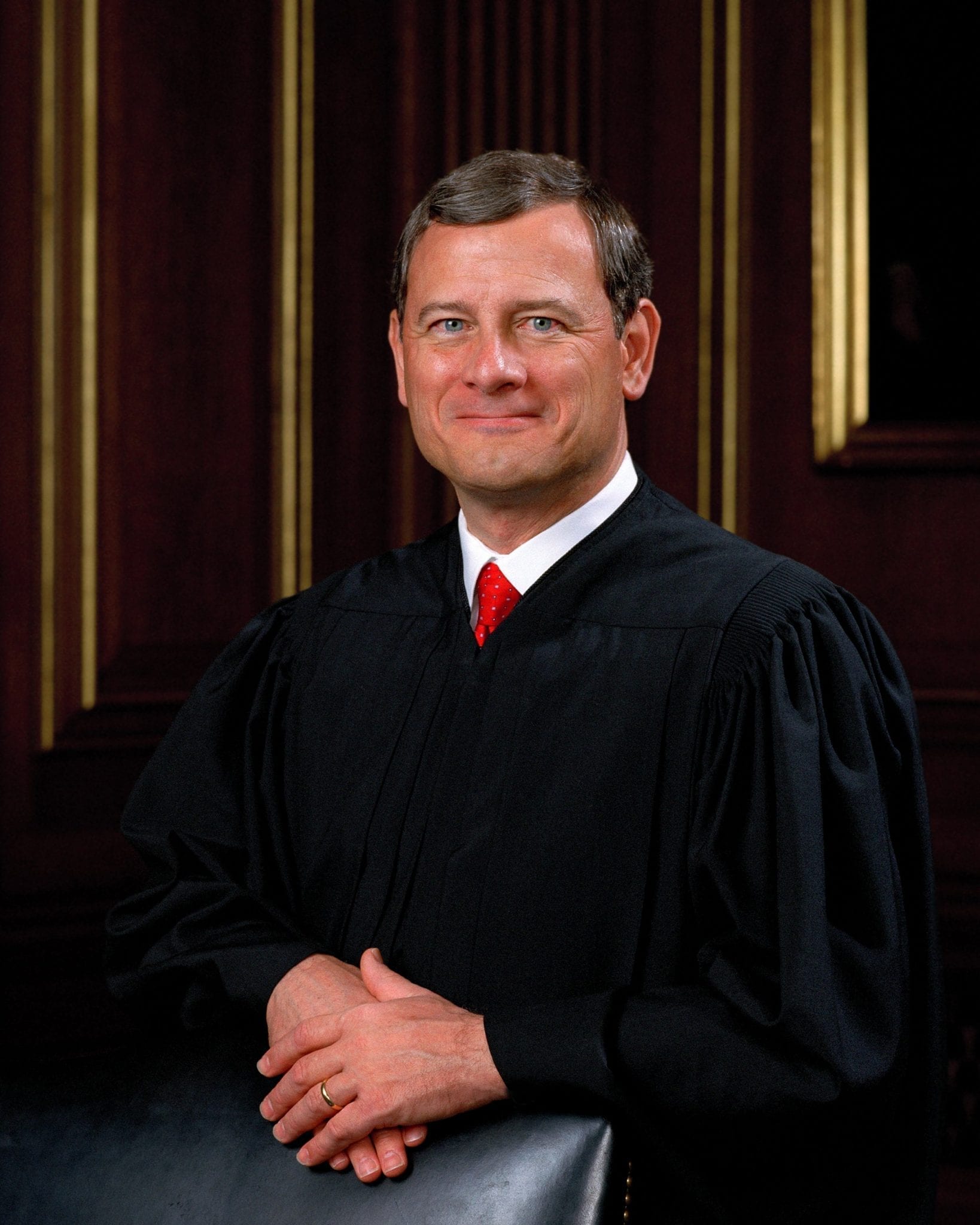
“The Court today takes the extraordinary step of holding facially unconstitutional the President’s Order excluding from citizenship the children of foreign temporary visitors and illegal aliens,” Clarence wrote in an opinion three times longer than Roberts’. “In doing so, the Court adds to the sad history of the Fourteenth Amendment, which was designed and understood to secure equal rights for the freed blacks but has instead been repurposed for political projects that the Reconstruction Congress did not support.”
Justice Ketanji Brown Jackson, while voting with the majority, took the additional step of issuing a direct response to Thomas’s dissent. Jackson, who agreed with the majority’s opinion in full, said that Thomas appears to fundamentally misunderstand the purpose and intent of the three Reconstruction-era amendments.
“Despite his longstanding endorsement of a ‘colorblind’ Constitution, Justice Thomas, now surprisingly suggests that the Citizenship Clause was a race-conscious remedial measure, relating only to ‘freed slaves such as Dred Scott’—but that narrow vision of the Fourteenth Amendment bears little relationship to the history of its ratification,” she wrote.
“The Reconstruction Amendments,” Jackson added, “were an anti-caste, anti-subordination reset for the Nation, not a mere spot-treatment for the dark stain of slavery.”
“The Court’s conception of a color-blind Constitution and the Government’s (and principal dissent’s) cramped, group-specific reading of the Citizenship Clause are two sides of the same coin, stemming from a basic misunderstanding of the relevant history,” Jackson said.
Sources
Supreme Court upholds birthright citizenship
Supreme Court upholds birthright citizenship, rejecting Trump’s proposed limits
Supreme Court upholds birthright citizenship, rejecting Trump’s restrictions
The divided Supreme Court’s birthright citizenship decision exposes sharp rifts among justices
Join the conversation!