
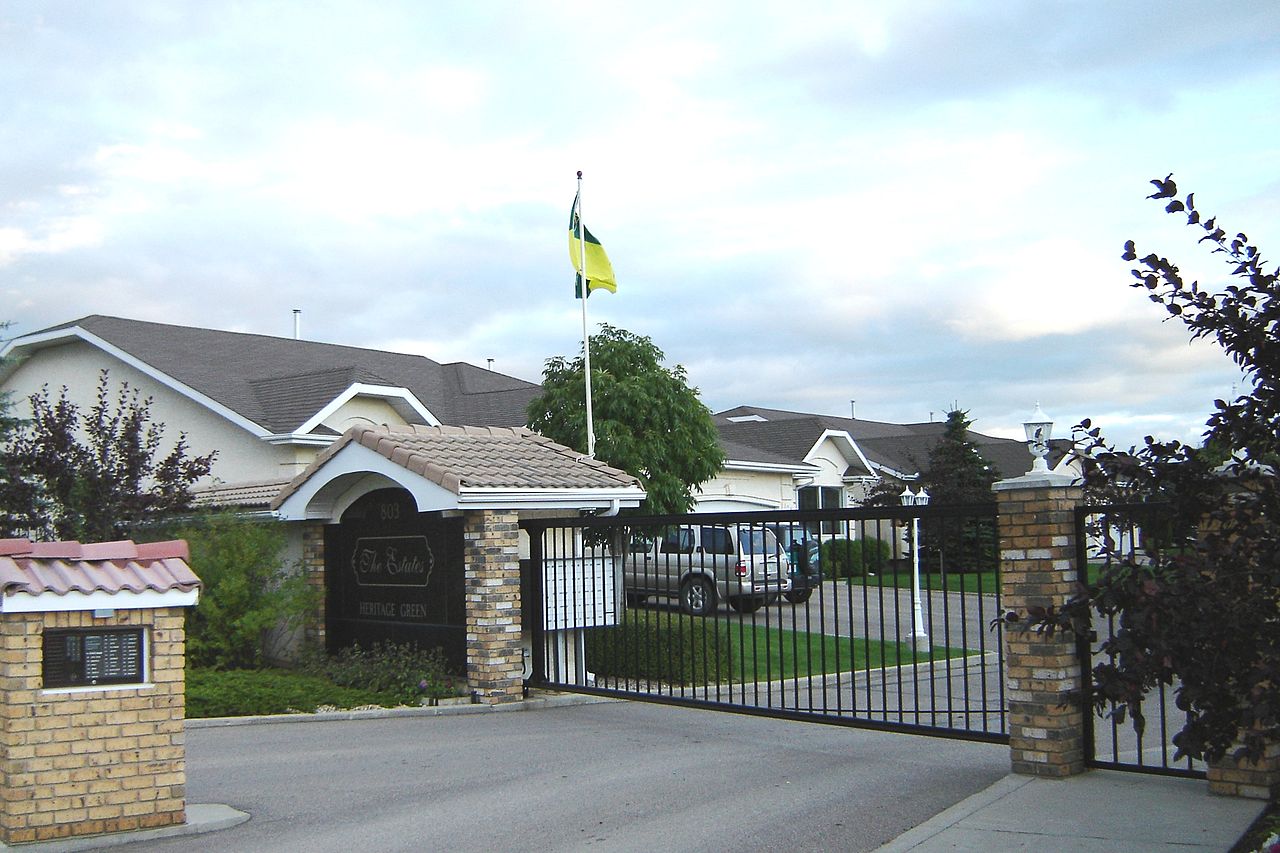
Combining technology with on-ground supervision creates a more stable and effective security setup, one that is better suited to handle both routine activity and unexpected situations.
In 2026, gated communities are heavily depending on technology. Access control systems, surveillance cameras, and automated entry points have made it easier to manage who comes in and out. On paper, everything looks secure. But in real life, most issues do not happen because systems are missing. They happen in everyday situations. A delivery person comes in without being checked, a visitor is allowed in without questions, or someone enters by following another car through the gate.
These are small moments, but they are often where problems begin, just like how overlooking basic security hygiene can quietly create bigger vulnerabilities over time.
This is where security guards still matter. They are present, they observe what is happening in real time, and they step in when something does not look right. In a gated community where movement is constant, that kind of human attention is still difficult to replace, even in 2026.
Why Gated Communities Still Face Real Security Risks
Gated communities are designed to control access, but they do not eliminate risk. Many incidents happen at entry points or through small gaps in daily operations. A vehicle may follow another through the gate without verification. A visitor may provide incomplete details. Delivery personnel may enter without proper checks. These situations are common and often go unnoticed when there is no active supervision.
According to the data from FalconX Security Services, which is a security guard company in Los Angeles, property crimes such as burglary and theft continue to affect residential areas across the United States. This shows that physical barriers alone are not enough to prevent incidents.
Security issues in gated communities often come from routine activity. Residents, guests, service providers, and delivery drivers move in and out throughout the day. Each interaction creates a point of risk if it is not properly managed. This is where active security for gated communities becomes important. Systems can record activity, but they cannot always verify intent or prevent misuse in real time.
Why Technology Alone Cannot Secure a Gated Community
There is no doubt that security technology has improved significantly in recent years. Cameras now offer high-definition coverage, access systems can track entries digitally, and alerts can notify property managers of unusual activity. These tools have made monitoring more efficient and data-driven. However, they still depend on human input and response.
A camera can record an incident, but it cannot intervene while it is happening. An access system can grant or deny entry, but it cannot always confirm whether the person entering should be there in that moment. Alerts may be generated instantly, but someone still needs to review them, understand the situation, and take action.
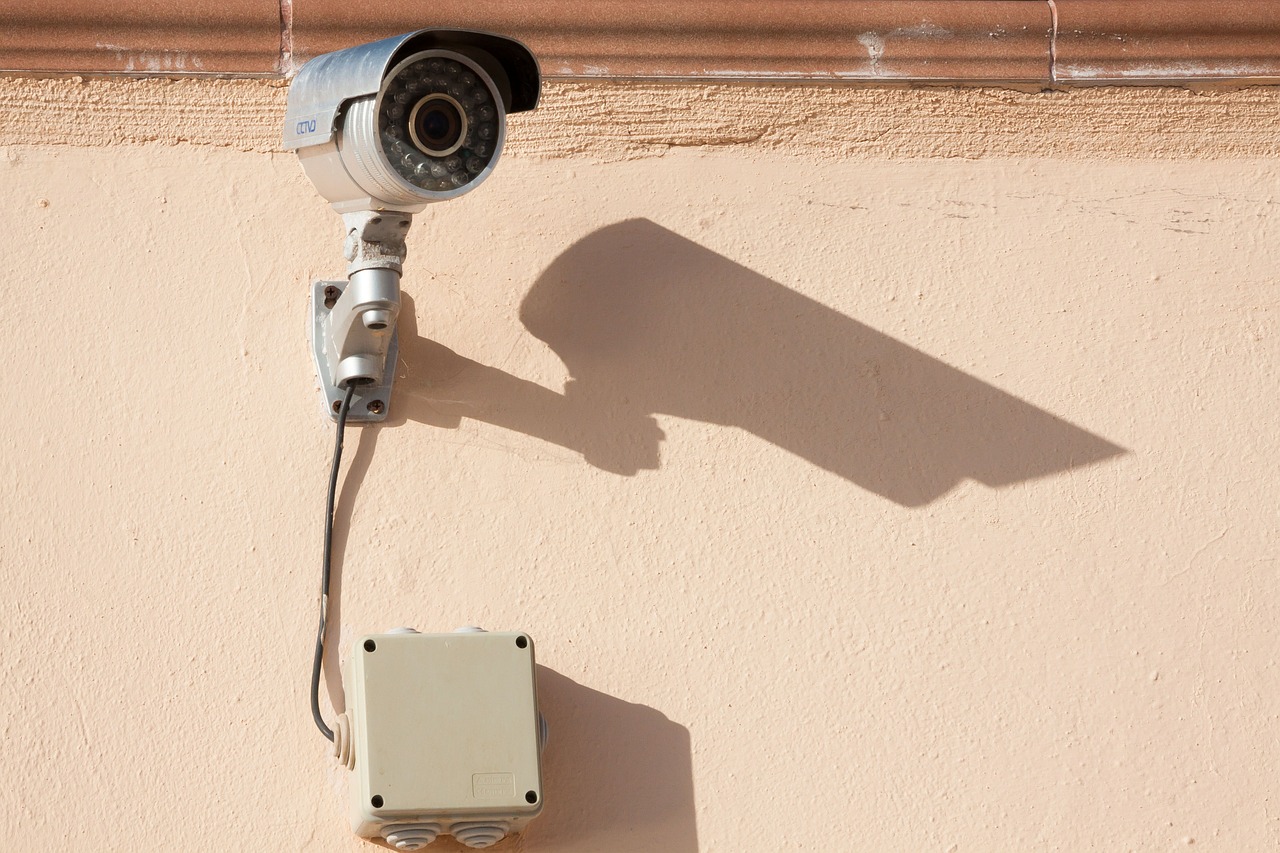
There are also practical limitations. Tailgating often goes undetected. Suspicious behavior does not always match predefined patterns in automated systems. Technical issues such as connectivity problems or system downtime can create temporary blind spots.
Visible security presence has a stronger impact on reducing crime compared to surveillance alone. This supports the idea that prevention is not just about detection but also about active oversight and immediate action. Technology is an important tool, but on its own, it cannot provide complete security.
The Role of Security Guards in Modern Gated Communities
Security guards continue to play a central role in maintaining safety within gated communities. While their responsibilities have evolved alongside technology, their core value remains the same. They provide real-time awareness, human judgment, and the ability to act without delay.
Controlled Access and Visitor Management
Managing entry points is one of the most critical aspects of gated community security. Guards verify visitors, maintain entry logs, and ensure that only authorized individuals are allowed inside. This process may seem routine, but it significantly reduces the risk of unauthorized access. When entry is monitored actively rather than passively, it becomes much harder for individuals to misuse the system. In communities with high daily traffic, this role becomes even more important. Each interaction at the gate is an opportunity to either maintain control or create a gap.
Immediate On-Ground Response
One of the biggest advantages of having security guards on-site is response time. When an issue arises, whether it is a disturbance, a safety concern, or an emergency, guards can respond immediately. This reduces the chances of escalation and helps manage situations before they become serious. In contrast, systems that depend on remote monitoring often involve delays, even if they are only a few minutes. In security, those few minutes can make a significant difference.
Handling Situations That Technology Cannot Predict
Not every security situation follows a clear pattern. Many involve human behavior, which is often unpredictable. A person walking through the community without a clear purpose, a disagreement between residents, or an unfamiliar vehicle parked in a restricted area may not trigger any automated alert. These situations require observation, context, and judgment. Security guards are trained to assess these situations and decide on the appropriate response. They can question, guide, or step in depending on what is needed at that moment.
Creating a Visible Security Presence
The presence of a security guard has a direct impact on behavior within a community. It acts as a visible reminder that the area is being actively monitored. Visible security measures can reduce opportunistic crimes such as theft and vandalism. People are less likely to engage in such activities when they know someone is watching and can respond immediately. At the same time, this presence provides reassurance to residents. It creates a sense of order and safety that goes beyond what cameras or systems can offer.
Why Security Guards Matter More in 2026
Gated communities today are much busier than they were a few years ago. There are more residents, more visitors, and a steady flow of deliveries happening throughout the day. Service providers such as maintenance staff, cleaners, and contractors also enter regularly. This constant movement makes it harder to control who is coming in and going out at any given time.
Because of this, security is no longer just about having systems in place. It is about actively managing daily activity. Every entry point needs attention, and every interaction needs proper verification to avoid small gaps that can lead to bigger issues.
This shift is also reflected in industry trends. According to a report by Grand View Research, demand for manned security services is expected to grow at a CAGR of 10.6% from 2025 to 2030, as residential properties increasingly prioritize visible presence, rapid response, and expert monitoring.
Security guards help manage this activity in real time. They verify people, respond quickly, and bring control to situations that systems alone cannot handle.
Final Thoughts
Gated communities have changed over the years, with technology playing a bigger role in how security is managed. Systems such as cameras and access controls have improved visibility and helped streamline operations. However, they do not remove the need for human involvement. Security in these environments depends on how well daily activity is managed. People, movement, and unpredictable situations are part of everyday life in residential communities. This is where a human presence continues to add value.
Security guard services continuously support systems by providing real-time awareness, quick response, and practical decision-making. They help ensure that procedures are followed and that small issues are addressed before they grow into larger concerns.
As communities continue to evolve, a balanced approach remains important. Combining technology with on-ground supervision creates a more stable and effective security setup, one that is better suited to handle both routine activity and unexpected situations.
Join the conversation!