
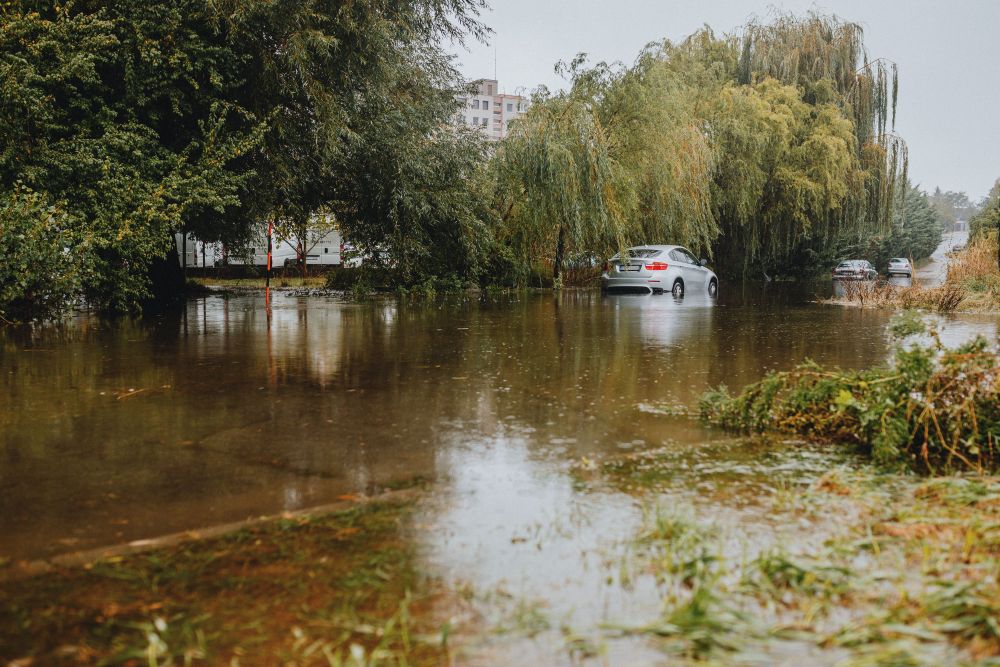
Severe floods linked to higher opioid overdose deaths for years.
A new study suggests that flooding in rural Appalachian communities were linked to higher opioid overdose death rates for years after the disaster occurred, raising concerns about the long-term health consequences of extreme weather events. The research, published in the Proceedings of the National Academy of Sciences, examined counties throughout Appalachia and found that overdose deaths increased noticeably during the first two years after a flood. Perhaps even more surprising, the elevated death rates did not quickly return to normal. Instead, the effects remained visible for as long as ten years following the incident.
Scientists focused on severe floods that resulted in a Presidential Disaster Declaration and caused at least one death. Using opioid overdose mortality data collected from national health records, the researchers compared overdose trends before and after floods. The results showed a consistent pattern of increased deaths in affected communities. According to the study, annual overdose deaths climbed by more than one death per county on average after severe flooding. While that number may seem small at first glance, it represented an increase of more than 26% compared with the period before the event. The overdose death rate also climbed by nearly 25% when measured per 100,000 residents.
Researchers estimated that severe flooding contributed to more than 1,300 opioid overdose deaths in rural Appalachia in the seven-year span between 2000 and 2017. These findings point to a connection between environmental disasters and substance use outcomes that may not be immediately obvious when communities are focused on rebuilding physical infrastructure.

The study’s lead authors believe several factors may help explain why overdose deaths rise after floods. One major issue involves interruptions in treatment and recovery services. Flooded roads, damaged buildings, and temporary closures can make it difficult for people to attend appointments, receive medications, or participate in recovery programs. Researchers also found evidence that floods can worsen financial and housing instability. Families may lose homes, jobs, vehicles, or other resources needed to maintain their daily routines. These challenges create stressful situations and increase uncertainty that can up the risk of substance use or relapse.
Another factor is the emotional toll of living through a disaster. Floods can leave lasting psychological scars, even among people who did not suffer direct losses. Witnessing destruction throughout a community can contribute to anxiety, depression, and symptoms associated with post-traumatic stress disorder (PTSD). Health care providers interviewed for the study reported seeing people turn to substances as a way to cope with those emotional struggles. The team also noted that cultural attitudes in some rural communities may discourage people from seeking professional mental health care. When emotional distress goes untreated, some individuals may attempt to manage symptoms on their own, increasing the risk of using substances to cope.
The study found that the impact was not evenly distributed across all groups. Overdose deaths rose more sharply among people with a high school education or less. Communities already facing economic hardship also experienced larger increases than counties that were more financially stable. These findings suggest that existing social and economic challenges can make disaster recovery even more difficult.
Researchers gathered additional insights by interviewing community stakeholders in Eastern Kentucky following major flooding events. Participants described how local organizations often had to shift nearly all attention toward disaster response and rebuilding efforts. As a result, other services, including addiction treatment and recovery support, sometimes became harder to access during the recovery period.
Researchers believe the study’s findings support including addiction treatment professionals, recovery organizations, and mental health providers in disaster preparedness planning. As severe weather events become more common, communities may benefit from strategies that protect access to treatment and support services during and after emergencies.
Sources:
Severe flooding linked to increased deaths from opioid use in rural Appalachia
Join the conversation!