
A careful investigation may be needed to determine who controlled the delivery, who employed or contracted with the driver, who owned the vehicle, who maintained it, and which insurance policies apply.
Delivery vans have become ubiquitous in neighborhoods, business districts, apartment complexes, and highways. As online shopping, grocery delivery, food delivery, and same-day package services have surged, more delivery vehicles now make frequent stops in areas shared by drivers, pedestrians, cyclists, and motorcyclists.
When a serious crash involves a delivery vehicle, the claim may be more complicated than a typical car accident. A delivery van accident lawyer may consider the driver, the company, the delivery route, the vehicle owner, maintenance records, contractor relationships, and all available insurance coverage to determine who may be responsible.
Why Delivery Van Accidents Can Be Complicated
Delivery van crashes sometimes require extensive investigation. The driver might be an employee, independent contractor, or subcontractor. The van could be owned by the driver, leased, rented, or part of a fleet.
These facts matter because the defendants and insurance coverage can impact the bottom-line recoveries in a serious injury case.
Common Causes of Delivery Van Accidents
Delivery van accidents frequently occur because drivers are hurried, distracted, fatigued, or operating in cramped spaces. Delivery work entails repeated stops, challenging parking, reversing maneuvers, tight apartment entries, crowded business loading zones, and constant rerouting.
Common causes include:
- Speeding between delivery stops
- Following too closely in traffic
- Distracted driving while using phones, scanners, or route apps
- Unsafe lane changes
- Failure to yield
- Running red lights or stop signs
- Unsafe backing
- Illegal parking or stopping in travel lanes
- Driving too fast for the weather or road conditions
- Fatigue from long shifts or heavy route demands
- Poor vehicle maintenance
- Improperly loaded cargo
- Lack of driver training
Many delivery drivers confront intense time pressure. When a route includes excessive stops or unrealistic delivery windows, drivers may feel compelled to rush. That pressure can lead to quick stops, hazardous turns, aggressive driving, and diminished attention to pedestrians and cyclists.
Who May Be Responsible After a Delivery Van Crash
Responsibility depends on crash facts. The driver might be at fault for unsafe driving, but others could share liability.
A delivery driver may be responsible for speeding, distraction, unsafe backing, failure to yield, tailgating, impaired driving, fatigue, or other negligent conduct.
A delivery company may be responsible if the driver was working within the scope of the job. The company may also be liable for negligent hiring, poor training, unsafe scheduling, lack of supervision, or failure to enforce safety rules.
A retailer, package carrier, or freight company may be liable if it directed delivery operations, routes, performance standards, or driver qualifications.
A contractor or subcontractor may be responsible if it employed or supervised the driver.
A vehicle owner may be responsible if the van was unsafe or poorly maintained.
A maintenance provider may be responsible if negligent repair work caused brake failure, tire failure, steering problems, lighting issues, or other mechanical defects.
Another motorist may also share fault if the crash involved a chain reaction, an unsafe merge, a sudden stop, or a failure to yield.
Delivery Van Accidents Involving National Carriers and Local Contractors
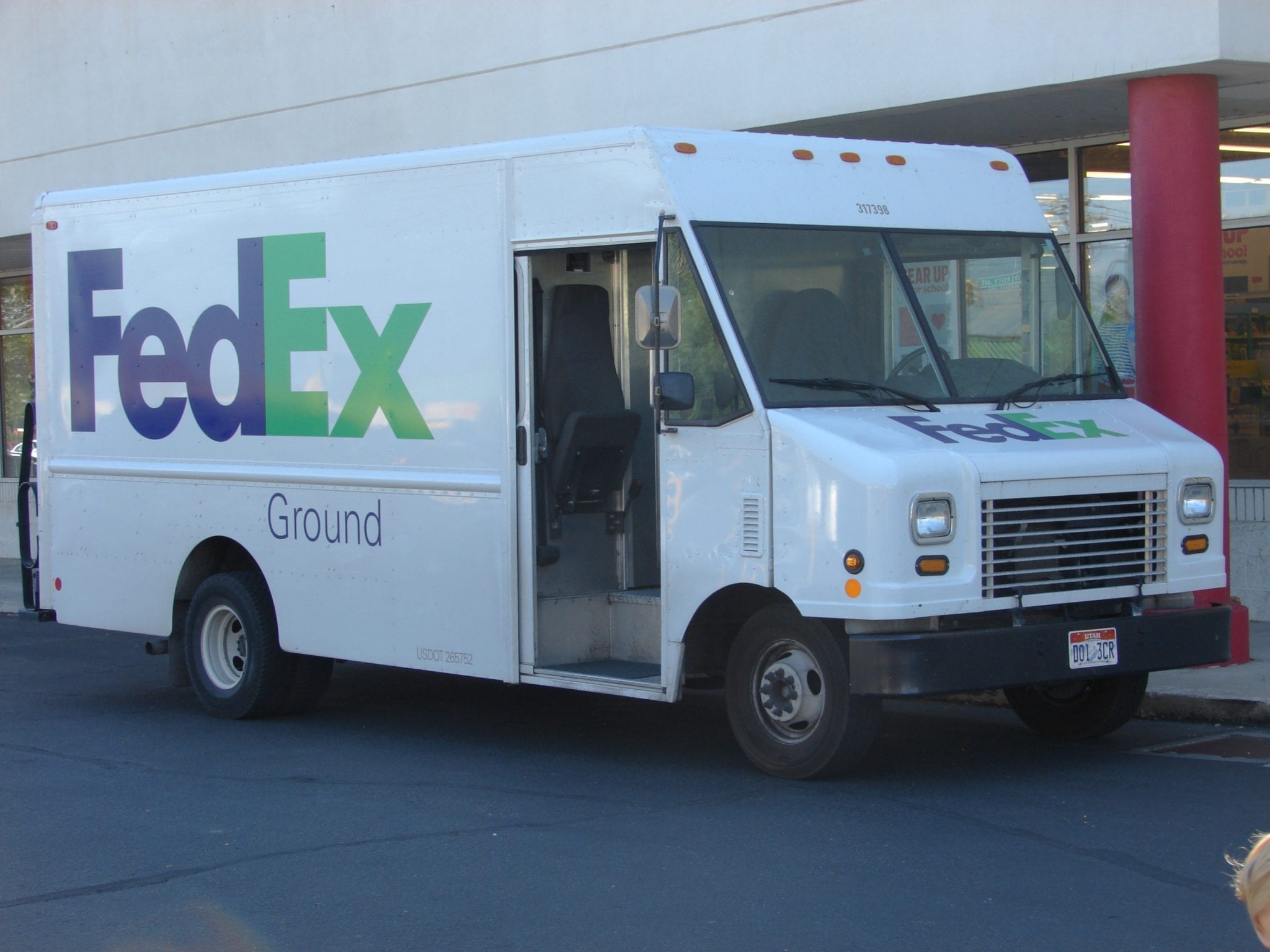
Many delivery vehicles display national brands, but the driver may work for a local contractor. This is common in last-mile delivery. The public sees a well-known name, yet legal responsibility may involve several entities.
Control is the key issue. Important questions are who hired, trained, and assigned the driver; set standards; owned or leased the van; performed maintenance; and enforced safety rules.
Key records include contractor agreements, route sheets, delivery logs, GPS data, scanner outputs, driver files, safety policies, service logs, dispatch communications, and insurance documents.
Useful Evidence in Delivery Van Accident Claims
Evidence often disappears rapidly after a delivery van accident. Video gets overwritten, route data becomes inaccessible, witnesses scatter, and vans undergo repair or return to service.
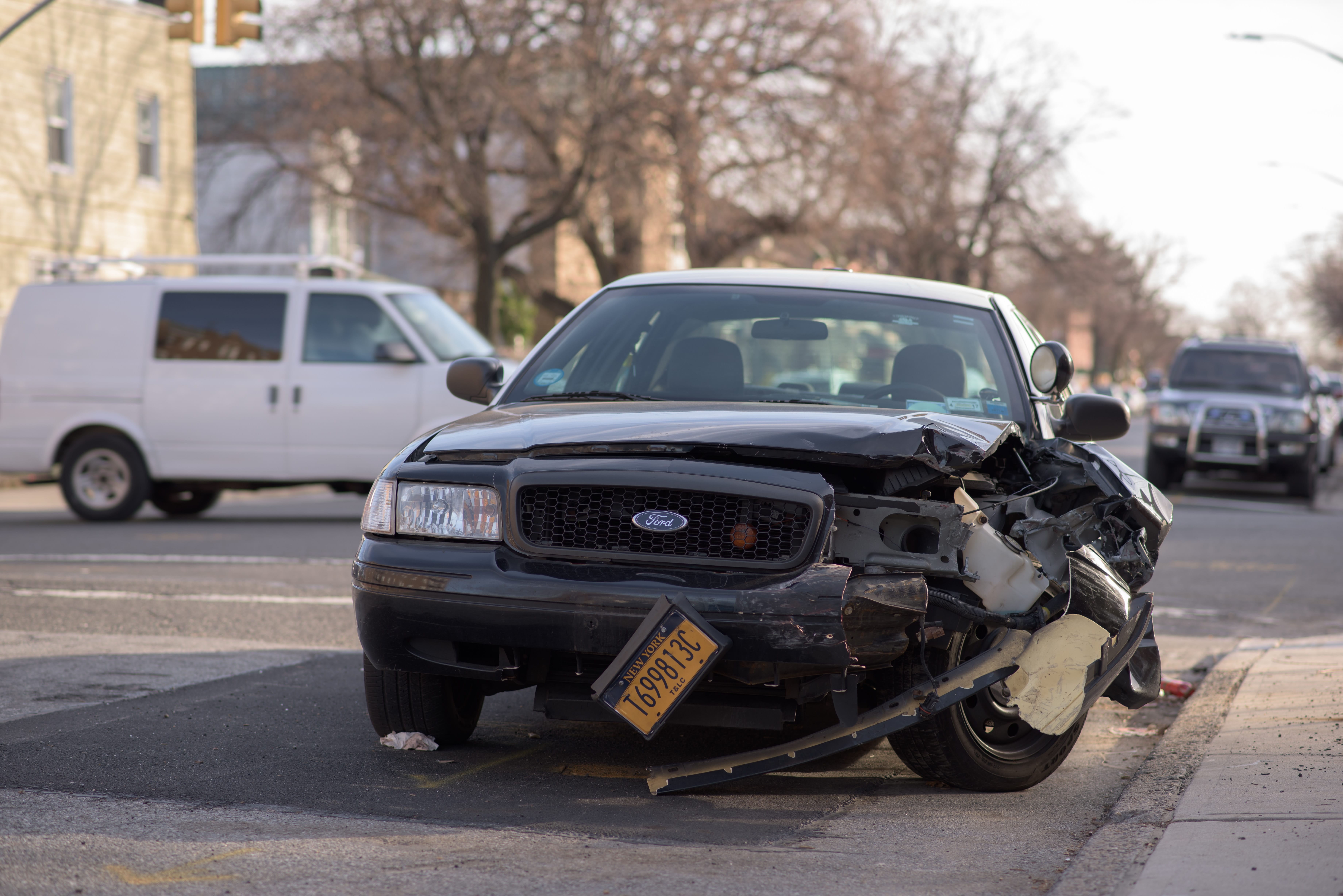
Useful evidence may include:
- Police crash reports
- Photos of vehicle damage
- Scene photographs
- Witness statements
- Surveillance video
- Dash camera footage
- Doorbell camera footage
- Driver qualification records
- Training materials
The crash scene can provide key information. Skid marks, debris, vehicle positions, traffic signals, road design, lighting, weather, parked vehicles, and sight lines may all help explain the crash.
Insurance Issues in Delivery Van Accident Claims
Insurance coverage can be one of the most difficult parts of a delivery van claim. Coverage may depend on whether the driver was working at the time, whether the van was personally or company-owned, whether the driver was using a delivery app, and whether the delivery was for a retailer, carrier, restaurant, logistics company, or contractor.
Possible insurance sources include a driver’s own policy, a company’s commercial policy, or even umbrella coverage.
The driver’s personal auto policy
Insurers may deny coverage, dispute employment status, claim another policy applies, or question whether the driver was working. Sorting coverage usually requires reviewing policies, contracts, delivery records, and company documents.
Mistakes That Can Harm a Delivery Van Accident Claim
Certain mistakes can make it harder to prove a delivery van accident claim. Delaying medical care may allow an insurance company to argue that the injuries were unrelated or not serious. Failing to document the scene may make it harder to show what happened. Giving a recorded statement too early may result in later statements being used against the injured person.
Be wary of quick settlements, especially if you have not fully recovered. Early offers may fail to account for all your damages. Once your case is settled, you can’t come back for more money later.
When a Delivery Van Accident Claim May End Up in a Lawsuit
Most cases are settled before litigation; some may need a lawsuit. Litigation may be necessary if an insurer denies liability, disputes injuries, withholds coverage information, delays, blames others, or offers a low settlement.
A lawsuit includes formal discovery. Through the discovery process, your attorney can obtain evidence that the insurance company does not want to voluntarily provide.
Important discoveries may include delivery logs, route data, driver records, training materials, safety policies, maintenance records, inspection reports, contractor agreements, dispatch messages, insurance policies, and internal communications.
Why Early Investigation Matters
Early investigation is important as the evidence from a delivery van accident is time sensitive. Videos may be deleted, app data may be lost, vehicles may be repaired, drivers may change jobs, and witness memories may fade. Preservation letters help prevent loss of evidence. Prompt investigation can identify all responsible parties and keep insurance companies from controlling the story.
About Delivery Van Accident Claims
Delivery van accidents can include complex liability and insurance issues. The crash may have been caused by a careless driver, unsafe company practices, unrealistic delivery pressure, poor training, inadequate supervision, improper maintenance, or an assortment of factors.
Because delivery work often includes several businesses, the name on the van may not tell the full story. A careful investigation may be needed to determine who controlled the delivery, who employed or contracted with the driver, who owned the vehicle, who maintained it, and which insurance policies apply.
For people injured in a delivery van crash, the most important steps are to get medical care, document the accident, preserve evidence, avoid quick settlements, and understand that more than one party may be responsible.
Join the conversation!