

The Daily Record’s San Antonio report described a docket where less than two dozen of 143 people appeared, and noted that many people who miss their initial appearance may be ordered deported if the judge finds they received proper notice.
Mega master immigration hearings are reshaping immigration court in 2026. For many immigrants, especially Latino families, the change affects whether they understand charges, find counsel, request more time, or fight removal.
Unlike traditional hearings, these mass dockets may include 100 or more people at once. Officials cite backlog concerns, while advocates warn that speed can weaken due process protections.
What Are Mega Master Immigration Hearings?
Mega master immigration hearings are large group preliminary hearings in removal proceedings. They are a high-volume version of the master calendar hearing, the first stage where the immigration court addresses basic issues such as pleadings, scheduling, representation, and possible forms of relief.
The difference is scale. Instead of a courtroom with a few dozen respondents, a mega master docket may place dozens or even more than 100 people before one immigration judge. The National Immigrant Justice Center has described these mass preliminary hearings as a process where many people, often without lawyers, appear together before a single judge and may feel pressured to move their cases forward quickly.
For an immigrant respondent, the difference can be serious. The judge may have less time to confirm whether you need an interpreter, explain rights clearly, or make sure each person understands the consequences of admitting allegations. In a crowded courtroom, it can also be harder to ask questions.
How Traditional Master Calendar Hearings Work
A traditional master calendar hearing is usually not a full trial. It is more like a procedural check-in. The immigration judge confirms identity and address, reviews the charging document, asks whether the person admits or denies the government’s allegations, and sets future deadlines.
Traditional master calendar hearings have always included multiple people on the same calendar. What is different now, according to the National Immigrant Justice Center’s explanation of mass hearings, is the volume, the use of written pleadings, and the lack of individualized assessment.
That is why advocates describe these proceedings as mass immigration hearings rather than ordinary scheduling events.
Where Are Mega Master Hearings Happening?
Mega master deportation hearings are no longer limited to one city. Reports in 2026 have identified mass docket practices or planned mega master settings in immigration courts including Virginia, Chicago, Boston, New York, San Antonio, Fort Snelling, New Orleans, and Indianapolis.
The scale varies by court. In San Antonio, The Daily Record reported that one immigration judge had 143 cases scheduled in a single day. That same report described the hearings as part of a broader effort to move cases faster through a system facing a multimillion-case backlog.
In Minnesota, MinnPost reported that Fort Snelling joined the nationwide trend of holding “mega master” immigration hearings, raising due process concerns.
For immigrants in Virginia, these changes matter even if their own hearing has not yet been converted into a mega master docket. Courts can reschedule hearings, advance dates, or issue updated notices. A person who moved, missed mail, or did not know how to check the court system may not realize a hearing date changed until the consequences are already severe.
Why the Government Is Pushing Mass Hearings Now
The government’s stated reason for accelerated immigration hearings is efficiency. Immigration courts have faced a severe backlog for years, and the current administration has made faster deportations a central policy goal. NPR connected the rise of mega master dockets to the effort to speed up deportation cases and move more people through immigration court at once.
The Department of Justice has also expanded the immigration judge corps. In May 2026, the DOJ announced that EOIR had sworn in 77 immigration judges and 5 temporary immigration judges, calling it the largest class of new adjudicators in EOIR’s history.
The announcement also stated that EOIR had hired 153 permanent immigration judges during the fiscal year and reduced the pending caseload from approximately 4 million to under 3.53 million.
More judges may help reduce delay. But bulk removal proceedings raise a separate question: whether processing more cases in less time can still protect fairness. A system can be faster and still fail if people do not receive meaningful notice, interpretation, access to counsel, or a real chance to explain their case.
Due Process Concerns Raised by Legal Advocates
Due process in immigration court generally means notice of the charges, a fair opportunity to respond, interpretation when needed, and a meaningful chance to present evidence. Removal proceedings are civil, not criminal, but the consequences can be life-changing: separation from children, return to danger, loss of employment, or removal from a long-established community.
Legal advocates have raised several concerns about mass deportation proceedings. Many respondents do not have lawyers. Without counsel, a person may not understand the difference between admitting a factual allegation and contesting removability. The courtroom environment may also pressure people to move quickly, while the judge may not have enough time to identify language barriers, trauma, fear of return, or possible eligibility for relief.
The National Immigrant Justice Center warned that mass hearings create room for error and due process violations, including the risk that people may unintentionally waive their rights to fight deportation. The American Immigration Lawyers Association has also raised concerns in reporting that large daily dockets may encourage speed over careful, case-by-case review, as reflected in coverage of the San Antonio mass hearings.
The Pleading Declaration Form Problem
One specific concern is the use of a pleading declaration form. This document may ask the respondent to admit or deny the Government’s allegations and to indicate how they want their case to proceed. For a lawyer, these terms have a technical meaning. For someone without legal representation, particularly someone reading in a second language, the form may be confusing.
The National Immigrant Justice Center reported that some judges instructed individuals to complete and file a “Respondent’s Pleading Declaration” form by a certain date. NIJC warned that completing the form could significantly shorten the court process and potentially speed up deportation.
If a person signs or submits a pleading form without understanding it, the court may treat key issues as admitted. That can make the case move faster toward removal and may limit later arguments. In an immigration court mass docket, where time is limited and many people are waiting, the risk of confusion grows.
What Happens If You Miss a Rescheduled Hearing
Missing an immigration court hearing can lead to an in absentia removal order. That means the judge orders removal because the person did not appear. In mass hearing settings, this risk may increase if court dates are moved up, notices do not arrive, or the respondent does not know the hearing was rescheduled.
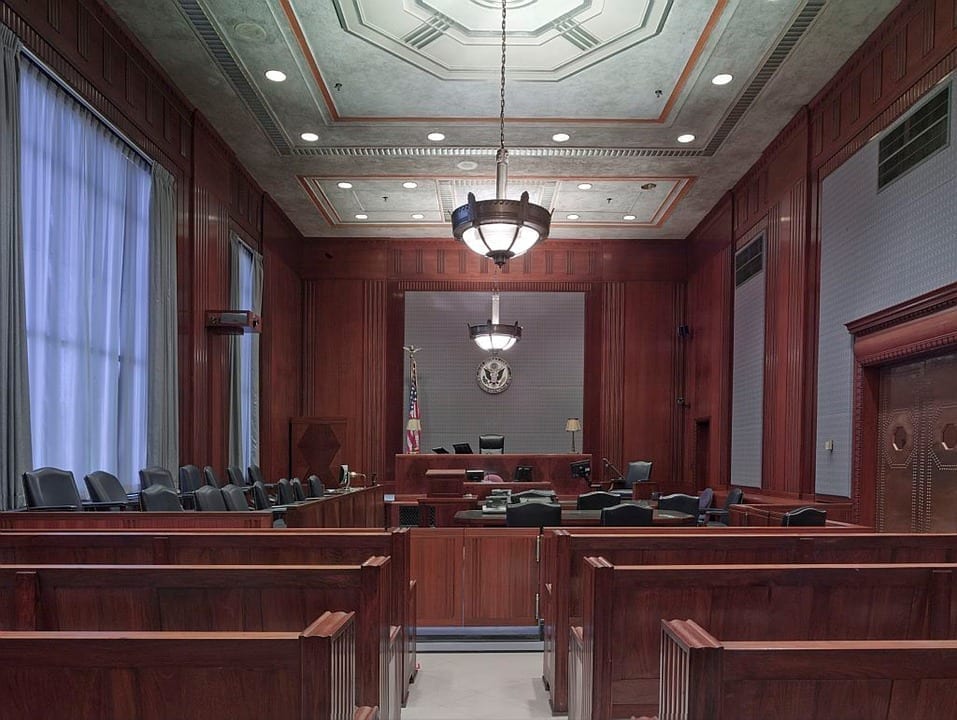
The Daily Record’s San Antonio report described a docket where less than two dozen of 143 people appeared, and noted that many people who miss their initial appearance may be ordered deported if the judge finds they received proper notice. NPR also reported that mega master hearings may result in more removal orders when people are not present or do not respond in court.
This is why hearing notices, address updates, and court checks matter. Anyone facing removal in Virginia should keep copies of every notice and understand when to seek help from deportation defense attorneys in Richmond if a court date has been moved, missed, or misunderstood. A missed hearing can change the entire posture of a case.
Legal Options for Immigrants Facing Removal Proceedings
People in removal proceedings may still have legal options, depending on their history, family ties, criminal record, fear of return, prior filings, and case stage. Possible relief may include asylum, withholding of removal, Convention Against Torture protection, cancellation, adjustment, waivers, voluntary departure, or humanitarian options, though deadlines are strict.
For Latino families, the hardest part is often knowing whether a case is truly hopeless or whether a legal defense still exists. That is where understanding your legal options before a final order becomes important. In a mega master setting, respondents may feel as though the outcome has already been decided. But the central question is whether a valid defense or form of relief must be preserved before deadlines pass.
The National Immigrant Justice Center has emphasized that immigrants should know their rights and seek qualified legal assistance so they are not rushed toward the irreversible harm of deportation.
How to Protect Your Rights in Immigration Court
The first step is to know the status of your case. EOIR maintains an Automated Case Information System that allows people to check certain court information online. The official court notice is still critical, but checking the system can help you confirm dates, times, and case status.
Then address updates are critical. Updating ICE or USCIS may not update the immigration court, and missed notices can lead to serious consequences. Do not sign or submit pleadings unless you understand them.
Ask for an interpreter, request time to find counsel, and state any fear of return. Mega master immigration hearings show why fairness, deadlines, and legal options matter before a fast hearing becomes a final order in court.
Join the conversation!