

The issue of truck accident fatalities in Texas is shaped by a complex combination of factors, including extensive freight activity, high-speed rural roadways, driver behavior, infrastructure demands, and increasing traffic congestion.
Truck accident fatalities in Texas remain a serious concern for transportation officials, safety advocates, and everyday motorists alike. While commercial trucking plays a vital role in keeping the state’s economy moving, Texas consistently records more fatal truck crashes than any other state in the country.
The combination of extensive freight networks, high traffic volumes, long stretches of rural highways, and a growing population creates unique challenges that continue to contribute to serious collisions.
When compared to other large states, the gap is striking, raising important questions about why Texas continues to lead the nation in fatal truck-related crashes year after year.
How Bad Is the Problem? Texas Truck Crash Numbers in Context
The scale of truck-related crashes in Texas is difficult to ignore. According to recent statewide transportation data, Texas recorded approximately 18,834 crashes involving large commercial trucks in 2024. These crashes resulted in 712 fatalities, a figure that helps put the state’s overall traffic risk in perspective: across all vehicle types, Texas records a reportable crash roughly every 57 seconds.
These numbers highlight the ongoing issue of truck crash deaths in Texas, which continue to outpace those of every other state. The state’s vast highway system serves as a major transportation corridor for freight moving across the country, making truck traffic a constant presence on both urban interstates and rural roadways.
Beyond the raw numbers, the human impact is significant. Fatal crashes often leave families coping with unexpected loss, financial hardship, and long-term emotional consequences. As Texas continues to experience economic growth and increased freight demand, transportation safety remains a critical public concern.
Texas vs. Other States: A Side-by-Side Comparison
A comparison with other states provides additional context. Texas recorded approximately 712 truck-related deaths in 2024, while California reported around 370 during the same period. Despite California having a larger population, Texas experienced nearly double the number of fatalities involving large trucks.
Several factors help explain this disparity. Texas has more miles of public roads than any other state, extensive oil and gas transportation activity, and major freight routes connecting Mexico, the Gulf Coast, and the rest of the United States. These conditions increase truck exposure and create more opportunities for serious collisions.
When examining Texas 18-wheeler accident statistics, the state’s combination of freight density and roadway size stands out as a major contributor to its elevated fatality numbers.
What Makes Texas Roads So Dangerous for Truck Traffic
Texas presents several unique challenges for commercial truck operations. The state’s geography, economy, and transportation infrastructure all contribute to elevated crash risks.
One of the most significant factors is the Interstate 35 corridor. Running from the Mexican border through major cities such as San Antonio, Austin, and Dallas-Fort Worth, I-35 serves as one of the busiest freight routes in North America. Heavy commercial traffic combines with commuter congestion, increasing the likelihood of crashes.
Rural highways also present unique dangers. Although traffic volumes may be lower outside metropolitan areas, higher speed limits and longer emergency response times can increase the severity of collisions.
Many fatal truck accidents on Texas highways occur on rural roads where motorists and truck drivers face limited visibility, fatigue, and challenging driving conditions.
Weather can also play a role. Intense summer heat may contribute to tire failures, mechanical issues, and roadway wear, all of which can affect vehicle safety. In addition, construction zones throughout the state frequently create bottlenecks and traffic pattern changes that increase crash risks.
For drivers seeking a better understanding of the factors that contribute to serious truck collisions, resources covering accidents with semi-trucks on Texas highways can provide valuable insight into how roadway conditions, vehicle operations, and driver behavior intersect.
The Most Common Causes Behind Fatal Truck Crashes
While every collision is unique, investigators frequently identify several recurring factors in serious truck accidents.
Driver fatigue remains one of the leading concerns. Commercial drivers often spend long hours behind the wheel, and although federal regulations limit driving time, fatigue continues to contribute to crashes nationwide. Reduced reaction times and impaired judgment can significantly increase collision risk.
Distracted driving is another major issue. Studies indicate that distraction plays a role in approximately 28% of truck crashes. Whether caused by mobile devices, navigation systems, or other in-cab activities, distraction can prevent drivers from responding quickly to changing traffic conditions.
Speeding also contributes to many of the large truck crashes that occur on Texas roads each year. Because commercial trucks require greater stopping distances than passenger vehicles, excessive speed can dramatically increase crash severity.
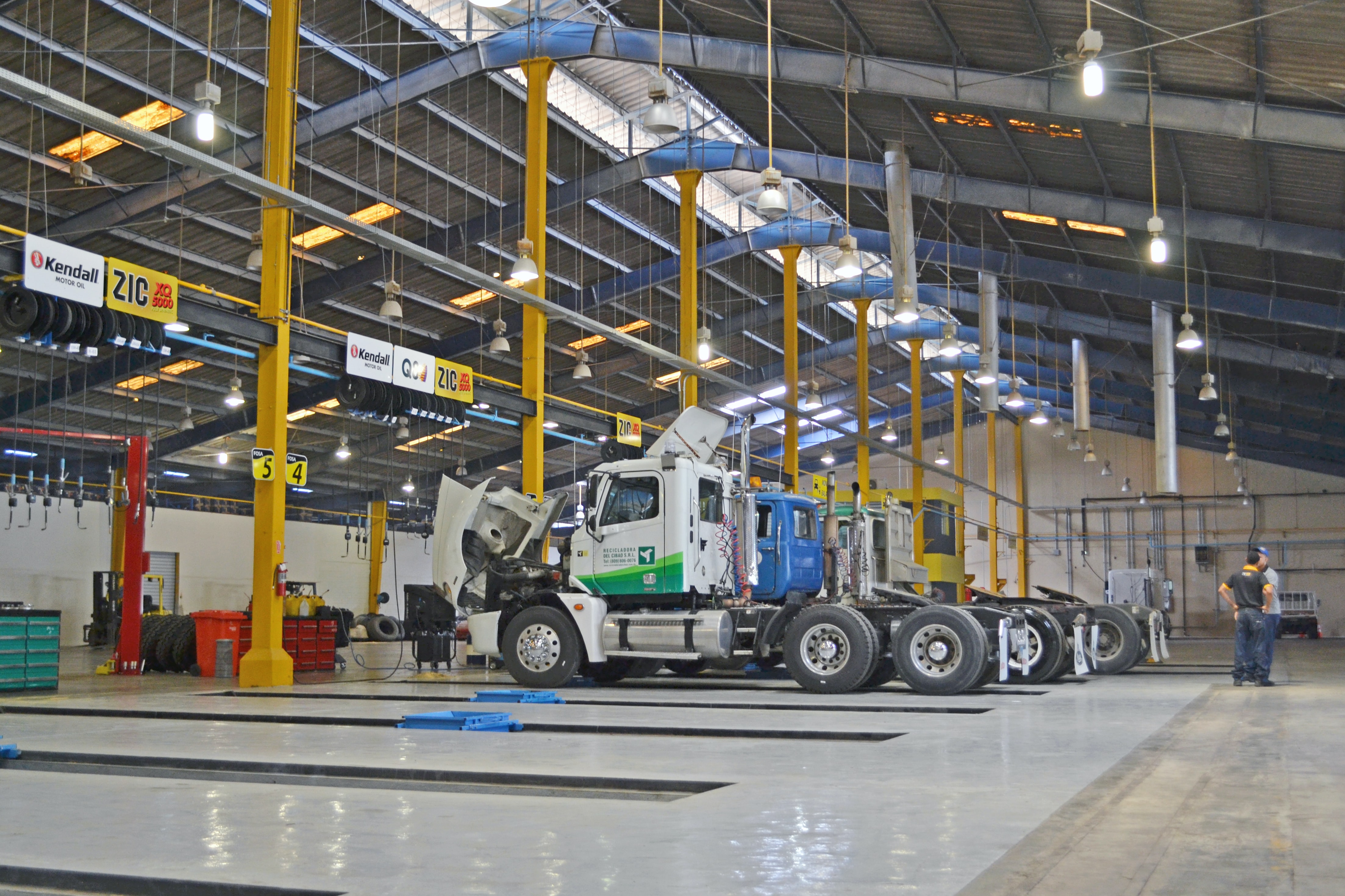
Other common factors include:
- Improperly secured cargo
- Overloaded trailers
- Mechanical failures
- Brake system deficiencies
- Tire blowouts
- Inadequate vehicle maintenance
Together, these issues contribute to a substantial number of the commercial truck fatalities that Texas reports each year. While safety regulations are designed to address many of these risks, enforcement and compliance remain ongoing challenges throughout the trucking industry.
Who Is Most at Risk in a Large Truck Collision
One of the most concerning aspects of truck crashes is who is most likely to suffer severe injuries or death. In most fatal collisions involving large trucks, the occupants of passenger vehicles account for the majority of fatalities.
The reason is simple: size and weight disparities. A fully loaded tractor-trailer can weigh up to 80,000 pounds, while the average passenger vehicle weighs only a fraction of that amount. During a collision, the smaller vehicle absorbs much of the crash force.
This imbalance often leads to devastating outcomes, including traumatic brain injuries, spinal cord damage, multiple fractures, and other forms of catastrophic harm in vehicle crashes. Even at moderate speeds, the force generated during a truck collision can overwhelm standard passenger vehicle safety systems.
The issue becomes even more apparent when examining the overall Texas trucking accident death rate, which continues to exceed national averages in many categories.
What Happens After a Truck Accident in Texas
The aftermath of a truck accident can be overwhelming. In addition to dealing with medical concerns, individuals often face insurance claims, vehicle damage, and legal questions.
Understanding what to do following a car accident in Texas can help protect both safety and legal interests. Common recommendations include:
- Seek immediate medical attention.
- Contact law enforcement and obtain an official crash report.
- Document the accident scene with photographs and videos when possible.
- Gather witness contact information.
- Preserve medical records and repair estimates.
- Avoid making detailed statements to insurance representatives before fully understanding the situation.
Truck accident claims are often more complex than standard vehicle collisions because multiple parties may be involved. Potentially responsible parties can include truck drivers, trucking companies, cargo loaders, maintenance providers, and vehicle manufacturers.
Texas law generally imposes a statute of limitations for personal injury claims, making timely action important. Delays can result in lost evidence, unavailable witnesses, and other challenges that may complicate future claims.
How Texas Is Trying to Reduce Truck Crash Fatalities
State and federal agencies continue to implement strategies aimed at reducing truck-related deaths across Texas.
The Texas Department of Transportation (TxDOT) regularly conducts public awareness campaigns focused on sharing the road safely with commercial vehicles. These efforts encourage drivers to avoid blind spots, maintain safe following distances, and exercise caution around large trucks.
At the federal level, the Federal Motor Carrier Safety Administration’s Electronic Logging Device (ELD) mandate was introduced to improve compliance with hours-of-service regulations and reduce fatigue-related crashes.
By electronically tracking driving time, regulators hope to limit excessive driving hours and improve accountability.
Additional efforts include:
- Increased speed enforcement in high-risk corridors
- Expanded roadside inspections
- Infrastructure improvements along major freight routes
- Upgraded highway lighting and signage
- Intersection redesign projects
- Enhanced safety training initiatives
Despite these measures, large truck crashes in the Austin area and other major metropolitan regions continue to highlight the challenges associated with growing freight demand and increasing roadway congestion.
Addressing the state’s high number of truck fatalities will likely require a combination of infrastructure investment, regulatory enforcement, industry compliance, and continued public education.
Why the Numbers Continue to Matter
While safety initiatives and regulatory changes have helped address some risks, Texas still records more truck-related deaths than any other state. Understanding the causes behind these crashes, recognizing who is most vulnerable, and staying informed about available resources can help drivers make safer decisions on the road.
The issue of truck accident fatalities in Texas is shaped by a complex combination of factors, including extensive freight activity, high-speed rural roadways, driver behavior, infrastructure demands, and increasing traffic congestion. For individuals affected by a serious truck collision, seeking reliable information about their rights and recovery options may be an important step toward navigating the challenges that follow such an event.
Join the conversation!