

U.S. citizenship does not expire, and neither does the Certificate of Naturalization. Once issued, it remains valid indefinitely — there is no renewal requirement.
Becoming a U.S. citizen through naturalization is a significant milestone — and the document that marks it is one of the most important records a naturalized citizen will ever receive. The Certificate of Naturalization serves as official proof of U.S. citizenship for people born outside the United States who completed the naturalization process. While it may not come up in daily life, knowing what it contains, when it’s required, and what to do if it needs to be replaced is useful for any naturalized citizen to understand.
What the Certificate of Naturalization is
The Certificate of Naturalization, issued on Form N-550, is an official government document confirming that the holder is a U.S. citizen. It is issued by U.S. Citizenship and Immigration Services (USCIS) to individuals who were born abroad, obtained lawful permanent resident status, and subsequently completed the naturalization process.
U.S. citizenship does not expire, and neither does the Certificate of Naturalization. Once issued, it remains valid indefinitely — there is no renewal requirement.
It is worth noting that not everyone who becomes a citizen needs to go through naturalization. Children may derive citizenship automatically through a U.S. citizen parent, either before or after birth, and in those cases a Certificate of Naturalization is not issued. Those individuals may instead be eligible for a Certificate of Citizenship, a related but distinct document.
How naturalization works
To receive a Certificate of Naturalization, an individual must first meet the eligibility requirements for naturalization and successfully complete the process. Generally, this involves holding a Green Card and maintaining continuous residence in the United States — typically for five years, or three years for those married to a U.S. citizen — along with demonstrating good moral character and meeting other basic criteria.
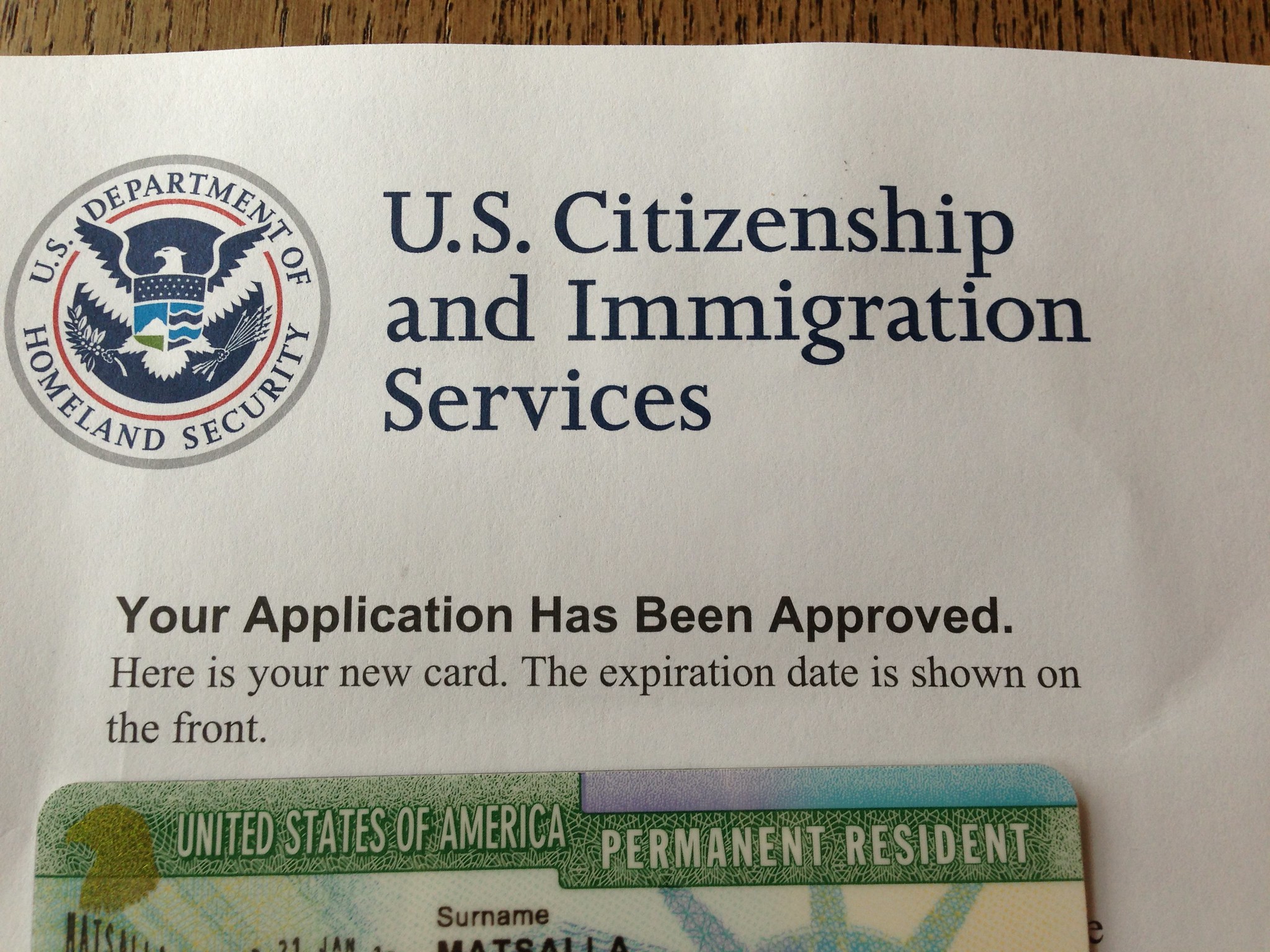
The process involves filing Form N-400, the Application for Naturalization, and paying the associated filing fee. Applicants must also pass a civics test during a naturalization interview and take the Oath of Allegiance at a naturalization ceremony. The Certificate of Naturalization is issued at or following the oath ceremony.
What the certificate contains
The Certificate of Naturalization is a formal, security-protected document with a raised seal and official formatting designed to prevent fraud. It includes a range of identifying information recorded at the time of naturalization:
- Full legal name
- Passport photo used for the naturalization application
- Certificate number
- USCIS registration number (also known as the A-number)
- Date of birth and birthplace
- Sex and marital status at the time of issuance
- Date citizenship was granted
- Country of former nationality
- The holder’s signature
- Signature of the USCIS official who administered the oath
The certificate number — an eight-digit number printed in red in the upper-right corner, following the word “No.” — is distinct from the A-number and serves its own purpose when accessing certain benefits.
When the certificate is required
The Certificate of Naturalization is most commonly required when proving citizenship to a government agency or when applying for government benefits. Situations where the certificate or its number may be specifically requested include applying for federal or state benefits such as Social Security, applying for or replacing a U.S. passport, and completing employment eligibility verification through the Form I-9 process.
A valid U.S. passport can serve as proof of citizenship in many everyday contexts, but it is not a complete substitute for the Certificate of Naturalization. Naturalized citizens may need the certificate’s specific naturalization number when applying for certain government benefits — a step for which a passport alone is insufficient. Conversely, the certificate cannot be used for international travel the way a passport can. The two documents serve overlapping but distinct purposes.
Certificate of Naturalization vs. Certificate of Citizenship
These two documents are sometimes confused, but they apply to different situations. The Certificate of Naturalization is issued to individuals who were born outside the U.S. and became citizens by completing the naturalization process after holding a Green Card. The Certificate of Citizenship, by contrast, is issued to individuals who became citizens automatically through a U.S. citizen parent — without going through the naturalization process themselves. Both are issued by USCIS, and both can be replaced using Form N-565 if needed.
Replacing a Certificate of Naturalization
If a Certificate of Naturalization is lost, stolen, or destroyed, or if personal information needs to be corrected or updated due to a name change or an error on the document, it can be replaced by filing Form N-565 with USCIS. The form can be filed electronically or by mail, with filing fees of $505 and $555, respectively. While the replacement is being processed, a valid U.S. passport can generally serve as proof of citizenship in most situations.
When a replacement certificate is issued, it is formally designated as Form N-570. Depending on the reason for replacement, supporting documents may be required — such as the original certificate if available, recent photographs, and documentation explaining the reason for the request.
A note on professional support
Questions about what is a naturalization certificate, how it fits into a broader immigration or citizenship journey, or what to do when one needs to be replaced are all areas where an experienced immigration attorney can provide useful guidance. Whether the situation involves correcting an error, understanding how the certificate interacts with other immigration processes, or navigating a more complex citizenship question, professional support can help avoid delays and prevent avoidable mistakes.
Join the conversation!