
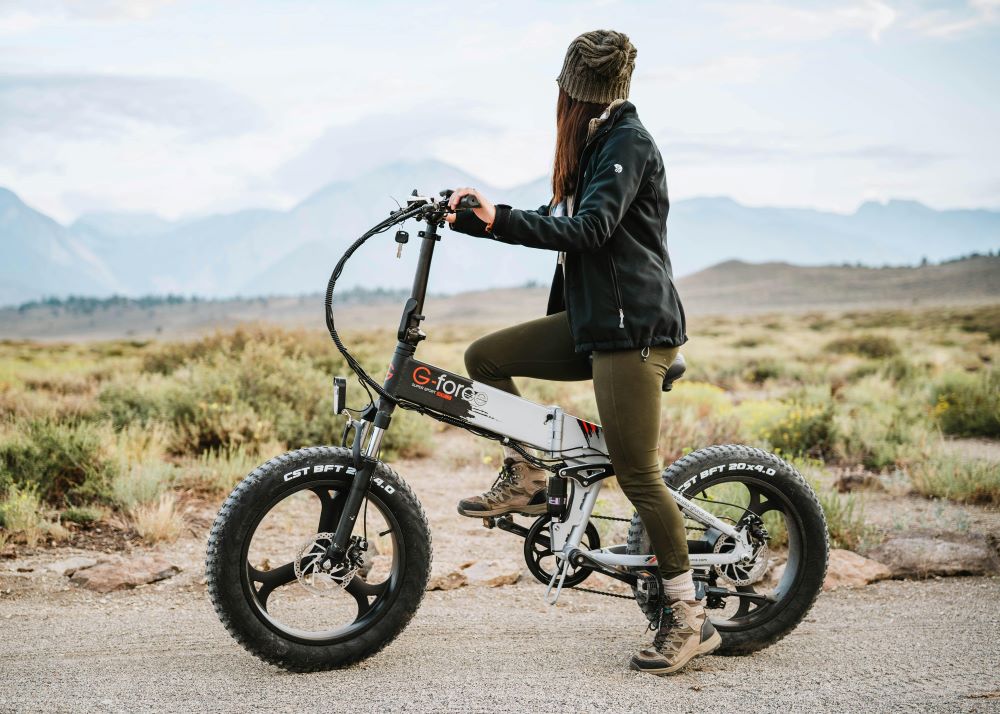
As these motorized devices continue to flood city streets, understanding the local traffic laws and liability rules is the best way for riders to protect themselves both physically and financially.
Electric bicycles and scooters have completely transformed transportation across California. Cities from San Francisco to San Diego are packed with riders taking advantage of this convenient travel method. However, this shift in transportation has a serious downside. Hospital trauma centers are seeing a massive spike in severe head trauma linked to these motorized devices.
A recent study out of UC San Diego revealed that injuries related to e-bikes have jumped from double digits a few years ago to over a thousand annually. Because e-bikes are heavier and can travel at speeds up to 28 miles per hour, the physical impact of a crash is much more severe than a collision on a standard bicycle. If a rider goes over the handlebars at these speeds, the resulting head trauma can be life-altering. In Southern California, consulting a knowledgeable Santa Ana brain injury attorney early in the process is often a necessary step for victims trying to understand their legal options.
California E-Bike Classifications and Helmet Laws
California law divides electric bikes into three specific categories, and the safety requirements change depending on the class. Class 1 and Class 2 e-bikes have motors that stop assisting at 20 miles per hour. For these bikes, state law only requires helmets for riders under the age of 18. Class 3 e-bikes can reach speeds up to 28 miles per hour. Because of this higher speed capability, the law requires all riders on Class 3 bikes to wear a helmet, regardless of their age. Electric scooters max out at 15 miles per hour and require riders under 18 to wear a helmet, plus all riders must hold a valid driver license or permit.
This creates a difficult legal situation. An adult legally riding a Class 2 e-bike without a helmet might suffer a severe concussion in a crash. Even though they followed the law, insurance companies will often try to use the lack of a helmet against them during a personal injury claim.
Who Is Financially Responsible for a TBI?
When a rider suffers head trauma, figuring out who is at fault is rarely simple. Multiple parties might share the blame for a single accident.
Negligent Motorists
Car and truck drivers are the most common cause of severe bicycle accidents. Drivers frequently fail to yield the right of way, make illegal turns in front of oncoming riders, or open their car doors directly into active bike lanes.
E-Bike Manufacturers
Sometimes the fault lies with the device itself. Product liability comes into play if an e-bike has defective brakes, a malfunctioning battery, or an illegal motor bypass that causes the bike to accelerate uncontrollably. If a mechanical failure causes a crash, the manufacturer or the retail shop could be held financially responsible.
Municipalities and Road Authorities
City governments have a duty to maintain safe road conditions. Unmaintained potholes, poorly designed intersections, and debris in bike lanes frequently cause e-bike riders to lose control. Suing a government entity in California requires navigating strict rules, including a tight six-month deadline to file an initial claim.
Comparative Fault
California operates under a pure comparative negligence system. This means a victim can still recover money even if they were partially at fault for the crash. Defense lawyers will aggressively try to shift the blame to the rider. They will point to minor traffic violations or the decision not to wear a helmet to reduce the final financial payout.
Proving the Trauma and Calculating Damages
Traumatic brain injuries are incredibly complex to litigate because the damage is not always visible. According to an experienced Santa Ana brain injury law firm, Vaziri Law, “while a broken bone shows up clearly on a standard X-ray, microscopic brain damage often does not.”

To prove the extent of the injury, legal teams rely on advanced diagnostic imaging like DTI and PET scans. These tools can show disruption in the brain pathways that standard MRIs miss. Furthermore, calculating the financial cost of head trauma requires looking decades into the future. A fair settlement must account for high medical costs, ongoing physical therapy, lost earning capacity, and the profound emotional distress caused by cognitive impairment.
Essential Takeaways for Injured Riders
Anyone involved in an electric bike or scooter accident needs to take immediate steps to protect their rights. First, keep the damaged bike or scooter exactly as it is after the crash. Do not attempt to repair it, as it serves as physical evidence of the collision. Second, ensure a formal police report is filed, and gather contact information from any witnesses at the scene. Finally, avoid giving recorded statements to the at-fault party’s insurance company until you have proper legal representation. As these motorized devices continue to flood city streets, understanding the local traffic laws and liability rules is the best way for riders to protect themselves both physically and financially.
Join the conversation!