
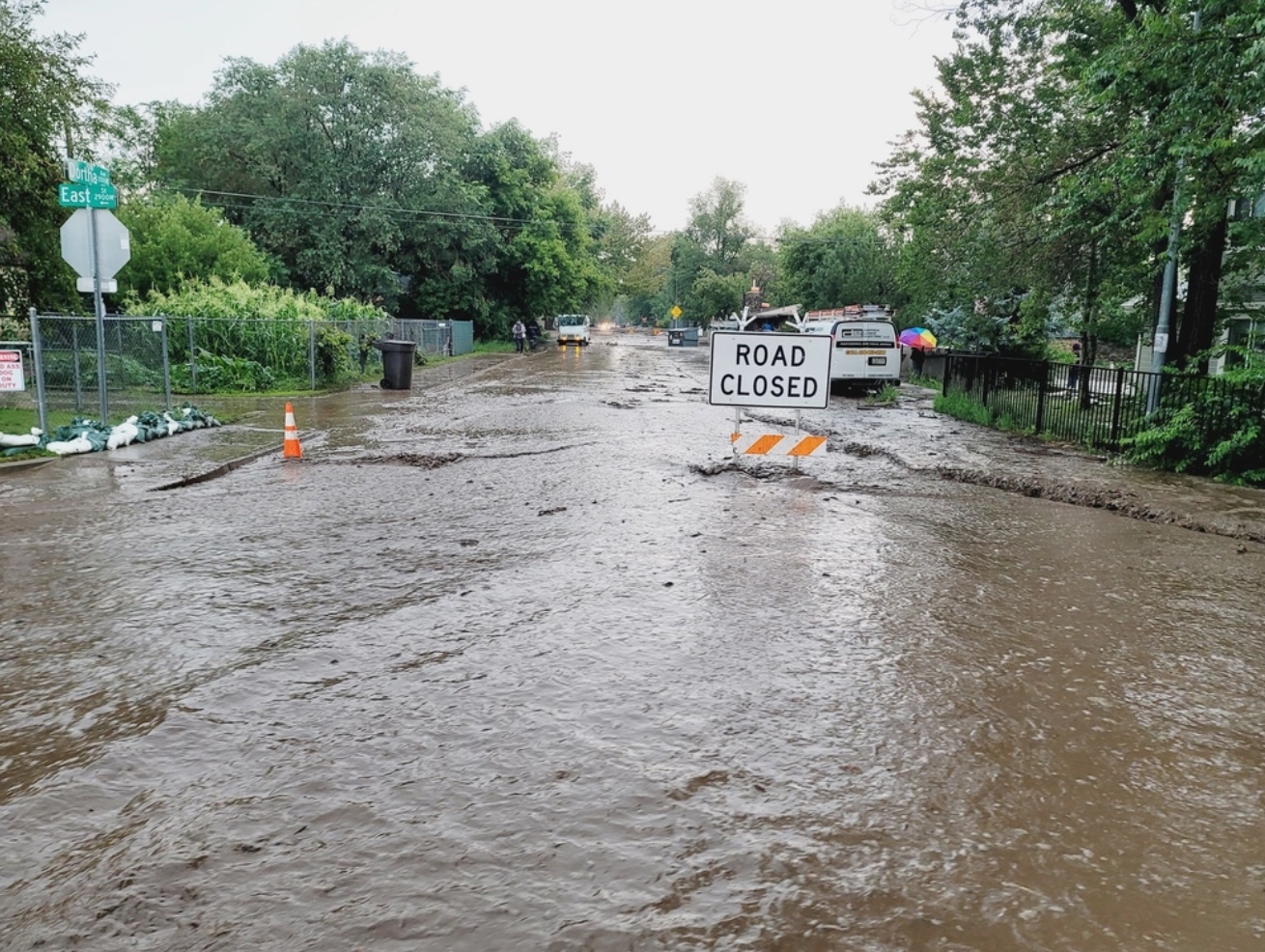
Flooded cars that get dried out and resold have long been a consumer protection problem, and CARFAX has warned that they’re prime targets for title washing, where a branded title moves through a state with looser rules until it comes out clean.
Every hurricane season, New Orleans drivers make the same quick calculation as a storm turns toward the Gulf Coast. They board windows, fill prescriptions, and decide whether to evacuate, while the family car gets parked on the highest patch of ground nearby and forgotten. That decision carries more legal weight than most people realize. Where a car sits, what policy covers it, and when that policy was last changed can decide whether a flooded vehicle gets paid out, written off, or left as a loss the owner absorbs alone.
The stakes aren’t hypothetical. CARFAX estimated that flooding from Hurricane Ida, centered on Louisiana, New Jersey, and New York, may have damaged as many as 212,000 vehicles in 2021. Many of those owners learned the rules of their coverage after the water receded, which is the worst possible time to learn them. Hurricane season runs through November 30, so there’s still time this year to get the legal and insurance details right before the next named storm forms.
What follows covers the coverage gaps that catch Gulf Coast drivers, the Louisiana statutes that govern flooded vehicles, and the storage decisions that can keep a car out of the water in the first place. None of it requires a law degree to understand, though anyone facing a disputed claim should talk to an attorney. Most of it comes down to reading a policy before the cone of uncertainty shows up on the evening news.
Flood Insurance Doesn’t Cover Your Car
Louisiana Department of Insurance flood guidance is blunt on this point: comprehensive auto coverage pays for flood damage to a vehicle, and drivers carrying only liability or liability and collision will very likely see a flood claim go unpaid. The agency also notes that state law doesn’t require comprehensive coverage at all, which means plenty of paid-off cars on New Orleans streets aren’t insured against the single biggest risk they face. Lenders usually require comprehensive on financed vehicles, so the gap tends to open the month a loan is paid off and an owner trims the policy to save money. That’s a reasonable move in Phoenix, but it’s a risky one in Gentilly.
The confusion runs the other way, too. Many homeowners assume a flood policy through FEMA’s National Flood Insurance Program protects everything on the property, but federal flood coverage excludes cars and other self-propelled vehicles. Homeowners in Gulf parishes often discover the exclusions buried in a homeowners policy only after a denial letter arrives, and the same thing happens with auto coverage when nobody checks the declarations page before June. The practical takeaway is simple: a car’s flood protection lives in exactly one place, and that’s the comprehensive line of the auto policy.
Storm Watches Can Freeze Your Policy
Timing is the second trap. Insurers commonly impose binding restrictions once a named storm threatens a region, which means they stop writing new policies or adding coverage until the threat passes. A driver who tries to add comprehensive coverage while a hurricane churns in the Gulf may find the door already shut. Louisiana addressed one slice of the problem in a narrow 2009 Louisiana insurance statute, which bars an insurer from refusing collision or comprehensive coverage on a newly purchased vehicle for an existing policyholder based solely on a named storm in the Gulf of Mexico. That protection applies only to dealer purchases by current customers, so it does nothing for someone trying to upgrade coverage on a car they already own.
The lesson is to treat comprehensive coverage as a June decision. Review the deductible at the same time, since the Department of Insurance points out that comprehensive and collision deductibles are set when the policy is purchased, and a high deductible on an older car can wipe out most of a payout. Owners of older vehicles should also weigh actual cash value, because insurers pay what the car was worth the day before the flood rather than what a replacement costs.
When a Flooded Car Becomes a Total Loss
Louisiana’s rules on flooded total losses are stricter than many drivers expect. Under La. R.S. 32:707.3, as summarized by the Department of Insurance, an owner can’t buy back a vehicle declared a total loss because of flooding. The insurer has to send the title to the Office of Motor Vehicles with an application for a Certificate of Destruction, and a car issued that certificate can’t be resold. In other states, owners sometimes keep a totaled car, accept a reduced payout, and repair it themselves, but that option disappears in Louisiana once flooding drives the total-loss decision.
That rule exists for a good reason. Flooded cars that get dried out and resold have long been a consumer protection problem, and CARFAX has warned that they’re prime targets for title washing, where a branded title moves through a state with looser rules until it comes out clean. Louisiana’s certificate requirement shuts that pipeline for cars flooded and totaled in the state. For owners, though, it means a sentimental or hard-to-replace vehicle is gone for good once an adjuster writes it off, which makes keeping the car dry far more valuable.
Where the Car Sits Is a Legal Decision, Too
Insurers expect policyholders to take reasonable steps to protect property, and the Department of Insurance reminds owners that they’re obligated to prevent further harm to a storm-damaged vehicle. Parking on a low street won’t usually void comprehensive coverage, but driving into standing water or restarting a flooded engine can hand an adjuster a reason to dispute part of the loss. Moving a car to safer ground before landfall avoids both the claim fight and the Certificate of Destruction problem. In a city where much of the land sits below sea level, ground-level street parking during a slow-moving storm is a real gamble.
Enclosed storage on higher ground is the most direct fix, and it’s more affordable than many owners assume. The average monthly rate across car storage listings in New Orleans runs about $85, while a 20-foot unit, the size that fits most sedans, crossovers, and small trucks, averages closer to $168 a month. Set against a comprehensive deductible and the risk of a car that’s written off and destroyed under state law, a few months of storage during peak season is a modest cost. Owners comparing facilities should prioritize drive-up access, elevation, and fully enclosed units, since uncovered outdoor spaces offer little protection from wind-driven debris.
The storage contract matters as much as the location. Most facilities require proof of insurance before they’ll accept a vehicle, and rental agreements generally put responsibility for insuring stored property on the tenant rather than the operator. That makes comprehensive coverage, sometimes marketed as parked-car or storage insurance, essential even when a car isn’t being driven. Read the agreement for liability limits, access rules during emergency closures, and late-payment terms, because Louisiana lets storage operators enforce liens on delinquent units, and an evacuated owner can easily miss a due date.
Don’t Cancel Coverage on a Stored Car
Some owners who store a vehicle for the season are tempted to drop coverage entirely, and in Louisiana that’s an expensive mistake. State law requires liability coverage on registered vehicles, and the Office of Motor Vehicles charges reinstatement fees when coverage lapses, with penalties reaching $500 for longer gaps. OMV policy lets owners avoid those fees by surrendering the license plate or filing a statement of non-use on or before the cancellation date. Even then, dropping comprehensive on a stored car removes the coverage that pays if the facility floods, burns, or gets broken into.
A better approach for long-term storage is to keep comprehensive in place and ask the insurer about reducing collision while the car stays off the road. Many carriers will adjust coverage this way, though the rules vary and some require the vehicle to remain registered. Get the arrangement in writing, since a disputed claim months later will turn on what the policy said on the date of loss.
The Bigger Picture for Gulf Coast Drivers
Flood risk along the Gulf isn’t easing, and insurers price policies with that in mind. Research on climate-driven displacement in flood-prone regions estimates that each degree of warming raises the risk of river-flood displacement by roughly 50%, and low-lying parishes sit squarely in that exposure. Repeated storm losses keep steady pressure on what Louisiana drivers pay for coverage. Building a storm plan for vehicles, rather than improvising one when the forecast turns, is one of the few ways individual owners can limit both their losses and their claims history.
Before the Next Storm
The checklist is short. Confirm comprehensive coverage and the deductible amount now, while no storm is threatening and binding restrictions aren’t in effect. Photograph the vehicle’s interior, exterior, and odometer, and keep the title, registration, and declarations page in a waterproof folder or a cloud account. Line up a storage spot on higher ground before evacuation traffic makes moving the car impossible, and if a claim follows, keep copies of every communication with the insurer, as the Department of Insurance recommends.
New Orleans drivers have plenty to manage when a hurricane approaches, and the car is easy to overlook. Louisiana’s insurance rules, its total-loss statute, and its compulsory coverage laws all reward owners who plan ahead and penalize those who don’t. A few hours of policy review and a storage reservation in early summer can be the difference between a covered claim and a car that’s destroyed by law. That trade is worth making well before the next storm gets a name.
Join the conversation!