
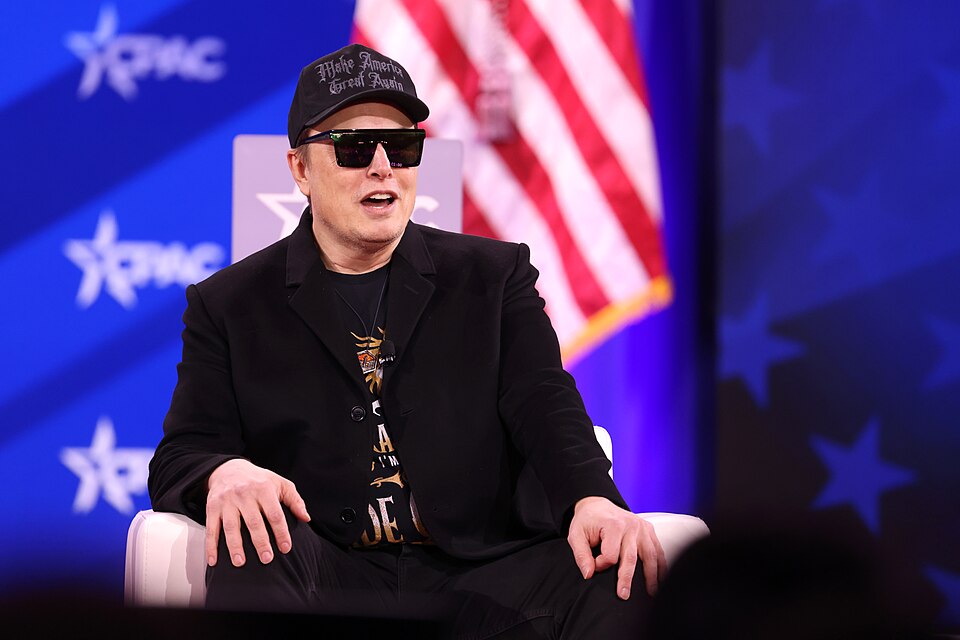
In his ruling, Judge Marc Hammer said that the plaintiffs in the lawsuit against Musk lacked standing because they could not establish that they had suffered any injury to themselves or their interests.
A Wisconsin judge has dismissed a lawsuit accusing billionaire Elon Musk of attempting to interfere with the state’s 2025 Supreme Court campaign by offering alleged bribes to voters.
According to Wisconsin Public Radio, the lawsuit was filed after the Wisconsin Democracy Campaign and two individual voters called Musk’s actions during the Supreme Court race “a brazen scheme” to influence the election’s outcome.
Musk, at the time, backed conservative candidate Brad Shimel, who ultimately lost to Democratic contender Susan Crawford by about 10 points.
In his ruling, Judge Marc Hammer said that the plaintiffs in the lawsuit against Musk lacked standing because they could not establish that they had suffered any injury to themselves or their interests. Instead, Hammer wrote, the lawsuit focused on more hypothetical harms to Wisconsin’s democratic institutions.
“That is not a concrete enough injury to give rise to standing,” Hammer wrote.
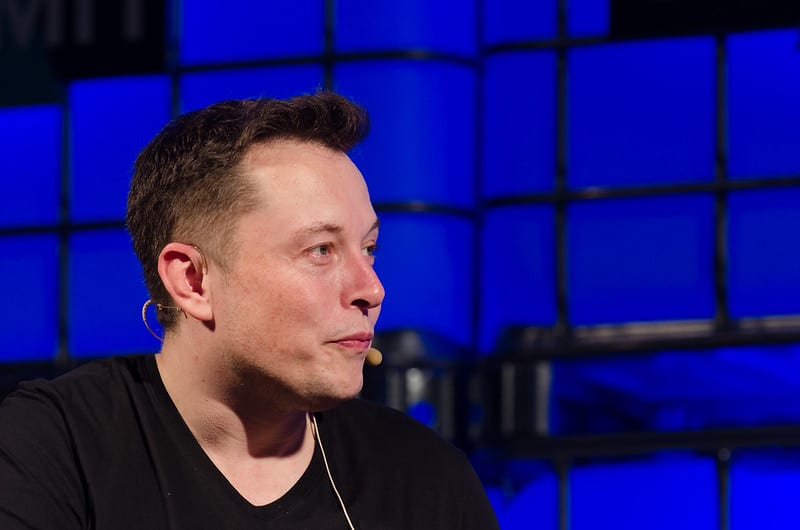
WPR notes that the lawsuit was, to date, the second unsuccessful attempt at holding Musk accountable for his role in the Supreme Court race. Earlier this year, for instance, the Wisconsin Elections Commission referred the matter to a special prosecutor; the case centered on allegations that Musk’s offer to pay up to $1 million to two individual voters could be construed as an attempt at bribery and election interference.
During the race, Musk described the outcome of the race as extraordinarily significant. Campaigning on behalf of Shimel, the billionaire reportedly offered $100 incentives to anyone who signed a petition opposing “activist judges.” Later, Musk presented two oversized checks for $1 million to attendees he met during a rally in Green Bay.
On social media, Musk originally claimed that his financial incentives and offers were limited only to persons who could prove that they had voted in the election. Wisconsin Attorney General Josh Kaul quickly sued, saying that the promised payments violated state law prohibiting the gift of “anything of value” in exchange for voting. Musk later deleted the original comment before reposting a revised version.
In his ruling, Hammer dismissed the Wisconsin Democracy Campaign’s claim that Musk’s attempted payments made for an uneven playing field.
“Self-directed and chosen action in the realm of political advocacy and campaign contributions are not imposed losses,” Hammer wrote. “Voluntarily spending more time and money opposing the other parties’ actions during election season is par for the course.”
Hammer also noted that Musk’s actions did not at any point prevent the Wisconsin Democracy Campaign from carrying out its election advocacy-related initiatives.
Sources
Brown County lawsuit against Elon Musk alleging bribery is dismissed
Elon Musk won’t face election bribery charges in Wisconsin, state prosecutor says
Wisconsin judge dismisses election bribery lawsuit against Elon Musk
Join the conversation!