
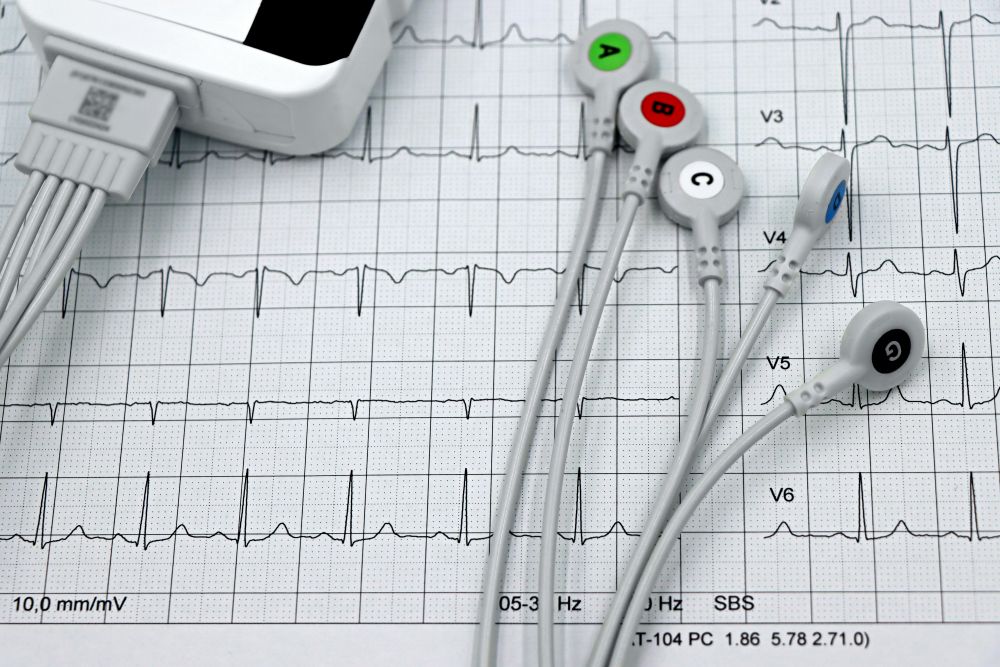
AI model helps predict heart risks in cancer patients after heart attacks.
Researchers in the United Kingdom and across Europe have created a new computer-based tool designed to help doctors judge the risk of repeat heart problems in people who also have cancer. These patients often face harder outcomes after a heart attack because cancer and its treatments can weaken the body, affect blood vessels, and change how blood clots. Until now, care teams had little guidance that fully reflected the added strain cancer places on the heart, leaving doctors to rely on general heart risk tools that were not built for this group.
When a person with cancer has a heart attack, the chances of serious problems afterward are often higher than in patients without cancer. Some cancers raise the chance of heavy bleeding, while others raise the chance of dangerous clots. In some cases, both risks exist at the same time. Doctors must decide whether to give drugs that thin the blood or protect against clots, knowing that the wrong balance can lead to harm. Making these calls has long been difficult because standard tools do not include cancer details.
An international research team led by the University of Leicester has now filled this gap by creating a model called ONCO-ACS. This tool uses artificial intelligence to combine common heart data with information tied to cancer, such as tumor type and patient health history. By bringing these details together, the system estimates heart attack risk and the chance that a patient will die or have major bleeding within six months of a heart attack.

The researchers tested the tool using health records from more than one million heart attack patients in England, Sweden, and Switzerland. Over 47,000 of these patients had a current or past cancer diagnosis. The size of this dataset allowed the team to study patterns that smaller trials could not capture. Results showed that outcomes for cancer patients after a heart attack were often poor. Nearly one out of three patients with cancer died within six months. About one in fourteen had a major bleeding event, and roughly one in six faced another heart attack, stroke, or heart-related death during the same period.
Dr. Florian A. Wenzl of the University of Leicester, the first author of the study, explained that cancer patients with heart attacks have often been left out of major research even though they are among the most complex cases seen in heart care. He noted that the new tool gives doctors clearer numbers to weigh the benefits and risks of treatment choices, instead of relying on guesswork or broad rules.
Advances in cancer care mean that many people now live longer with the disease, increasing the number who later develop heart problems. At the same time, heart treatments have improved, allowing more patients to survive heart attacks. This overlap has created a growing group of patients who need care plans that address both conditions at once. Professor David Adlam, a senior author on the study, said this mix of cancer and heart disease presents new challenges that require better decision support drawn from real patient data.
The team hopes ONCO-ACS will soon be used in daily hospital care. It may help guide choices about catheter-based heart procedures and blood-thinning medicines after a heart attack. Researchers also believe the model could support future studies by helping select patients and measure outcomes more accurately.
Another senior author, Professor Thomas F. Lüscher of Imperial College London, said the tool reflects progress toward care that matches treatment to the full picture of a patient’s health. By factoring in both cancer and heart disease, the model offers a more complete view of risk. The study was funded by Cancer Research UK and the British Heart Foundation, with support from Health Data Research UK, and was published in The Lancet.
Sources:
New AI tool helps determine the risk of secondary heart attacks in cancer
Join the conversation!