
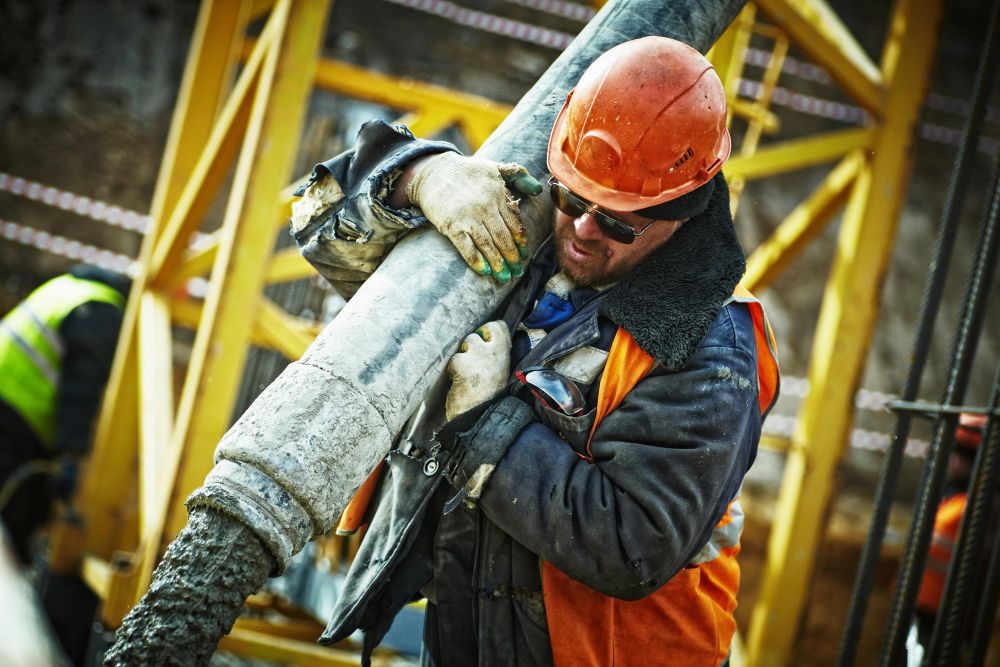
Construction professionals can mitigate risks by adhering to WHS regulations, making strategic investments in high-quality safety materials, and cultivating a culture of vigilance.
Keeping building sites safe is a legal requirement, and the construction industry is heavily reliant on stringent safety regulations. It’s a dangerous industry to work in, and the many safety rules in place on a site are not only there to reduce injuries and accidents, but they also help to prevent expensive legal consequences.
But Australia’s framework for creating safe sites is complex. It’s essential you understand the required safety measures so you can implement them effectively to protect employees, contractors, and the general public. Here’s what you need to know.
Work Health and Safety Act Obligations
The foundation for building site safety has been established by Australia’s Work Health and Safety Act 2011. Legally, primary duty holders (PCBUs) are responsible for the health and safety of workers, subcontractors, visitors, and the public.
Employers, builders, and site managers must ensure that:
- As much as practically reasonable, a risk-free environment.
- Appropriate training and supervision for all employees.
- Following Safe Work Australia’s recommended standards of practice.
Chain of Responsibility in Construction Projects
Modern building projects require the involvement of multiple parties, each with distinct legal responsibilities and obligations. While specific contractors handle their respective sectors, principal contractors oversee site-wide safety and health.
Infrastructure designers and manufacturers must ensure safety throughout the design stage and provide safe products to maintain a safe working environment. Understanding these construction law principles and liability frameworks helps project managers navigate complex legal relationships effectively.
Essential Safety Systems and Compliance
Legal compliance isn’t just about your heavy machinery and structures – it means ensuring every part of the job site operates efficiently and safely.
Risk Management and Hazard Identification
Adequate construction safety begins with hazard identification and risk assessment, followed by
adherence to recorded legal compliance practices. Common risks include falls, electrical hazards, and exposure to chemicals. From PPE to technical solutions, each step of the process requires specific control measures. Australian safety regulations prioritise removing or replacing dangers over less effective control measures.
Temporary fixtures may be required. For example, to keep work areas safe and ensure professional-quality finishes, specialised masking tapes and protective films are essential for controlling material handling and protecting work areas.
Documentation and Record-Keeping Requirements
Building safe sites requires extensive documentation to ensure legal compliance and facilitate incident investigations. The incident reports, training records, and inspection documents should be integrated into a safety management tool.
Australian laws are complemented by international norms, such as those from the Occupational Safety and Health Administration’s construction standards. Pre-construction safety plans must address specific risks, outline control strategies, establish emergency protocols, and establish effective communication channels to ensure a safe work environment.
Worker Rights and Employer Duties
Australian building safety regulations require frequent competency tests in addition to appropriate training, including task-specific and equipment operating courses. Companies must verify login details and promote continuous improvement. High-risk jobs call for licensed operators; non-compliance results in fines. Employees must have the freedom to refuse dangerous work without penalty.
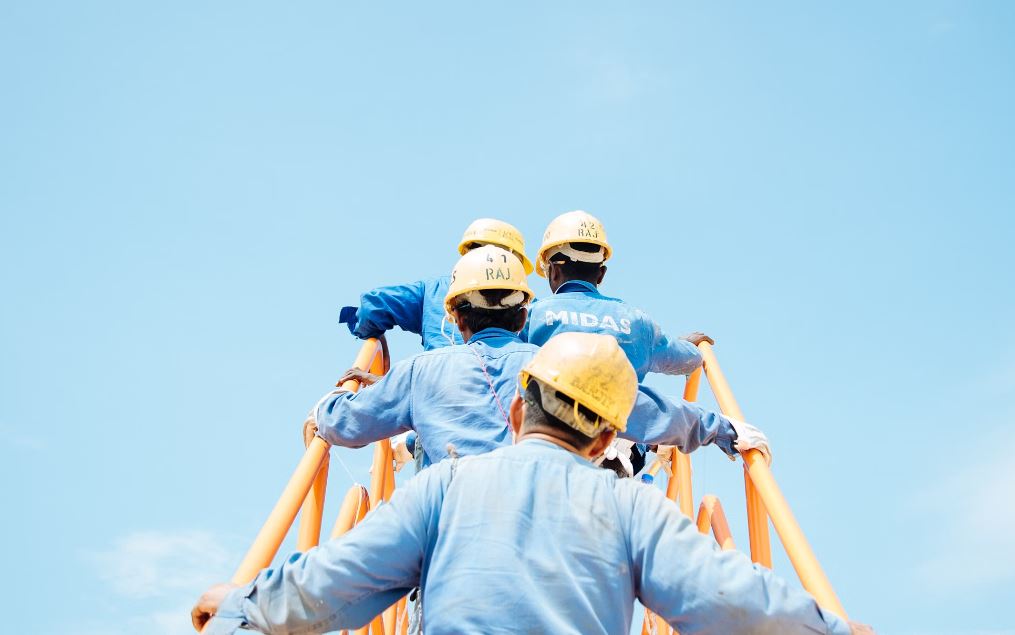
With specific guidelines, the PPE requirements are also a vital component of safety. Australian standards must be followed when using hard hats, safety shoes, high-visibility clothing, and fall protection gear, which also require regular inspection and maintenance to ensure their effectiveness. Employers must provide a correct fit, maintenance, and replacement of Personal Protective Equipment (PPE) at no cost to employees.
Enforcement and Liability Consequences
The strong enforcement powers of Australian safety authorities include penalties for non-compliance, as well as issuing improvement and ban warnings. Maintaining compliance and avoiding fines depend on a knowledge of these systems. Inspectors have the right to study safety records, visit sites without notice, and question staff members. Non-compliance can result in significant financial penalties and immediate work stoppage.
From injured workers to breach of duty, construction mishaps can result in civil liability claims. While managing these risks, insurance is essential. Typically, it also needs proof of safety compliance. On building sites, proactive risk management offers lower insurance rates and guarantees better conditions of coverage.
Final Thoughts
Beyond just legal compliance, safe construction sites build a culture of safety through worker involvement and leadership commitment. Feedback systems, event analysis, and regular safety meetings help to pinpoint hazards and streamline processes.
In the Australian construction sector, knowledge of legal responsibilities and the application of sensible safety precautions are essential. Construction professionals can mitigate risks by adhering to WHS regulations, making strategic investments in high-quality safety materials, and cultivating a culture of vigilance.
Join the conversation!