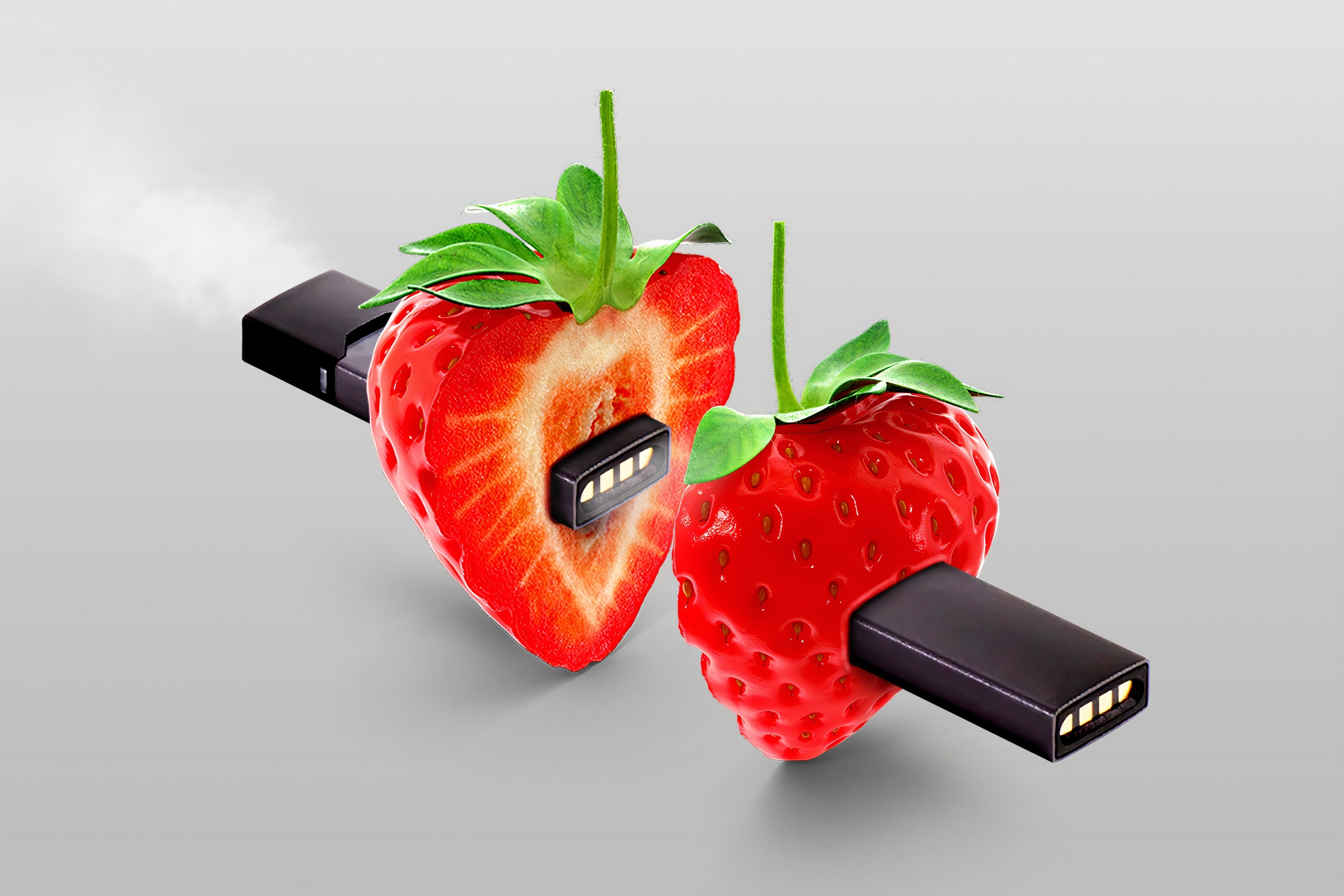
CDC Reports Reduced e-Cig Use, but Disposable Use is Up
Survey data indicating teen e-cig use is down may be flawed due to a loophole in flavor ban.


Sara is a credited freelance writer, editor, contributor, and essayist, as well as a novelist and poet with nearly twenty years of experience. A seasoned publishing professional, she's worked for newspapers, magazines and book publishers in content digitization, editorial, acquisitions and intellectual property. Sara has been an invited speaker at a Careers in Publishing & Authorship event at Michigan State University and a Reading and Writing Instructor at Sylvan Learning Center. She has an MBA degree with a concentration in Marketing and an MA in Clinical Mental Health Counseling, graduating with a 4.2/4.0 GPA. She is also a member of Chi Sigma Iota and a 2020 recipient of the Donald D. Davis scholarship recognizing social responsibility. Sara is certified in children's book writing, HTML coding and social media marketing. Her fifth book, PTSD: Healing from the Inside Out, was released in September 2019 and is available on Amazon. You can find her others books there, too, including Narcissistic Abuse: A Survival Guide, released in December 2017.
Survey data indicating teen e-cig use is down may be flawed due to a loophole in flavor ban.

Researchers are developing a phone-based test that quickly detects COVID-19.
Prosecutor admits he didn’t want to take OxyContin off the market.

U.S. law enforcement intercept loads of cocaine, heroin, and firearms in Mexican drug cartel investigations.

Anxiety treatment FDA never approved is being abused in the U.S.

The government will be working with Google on early cancer detection project.
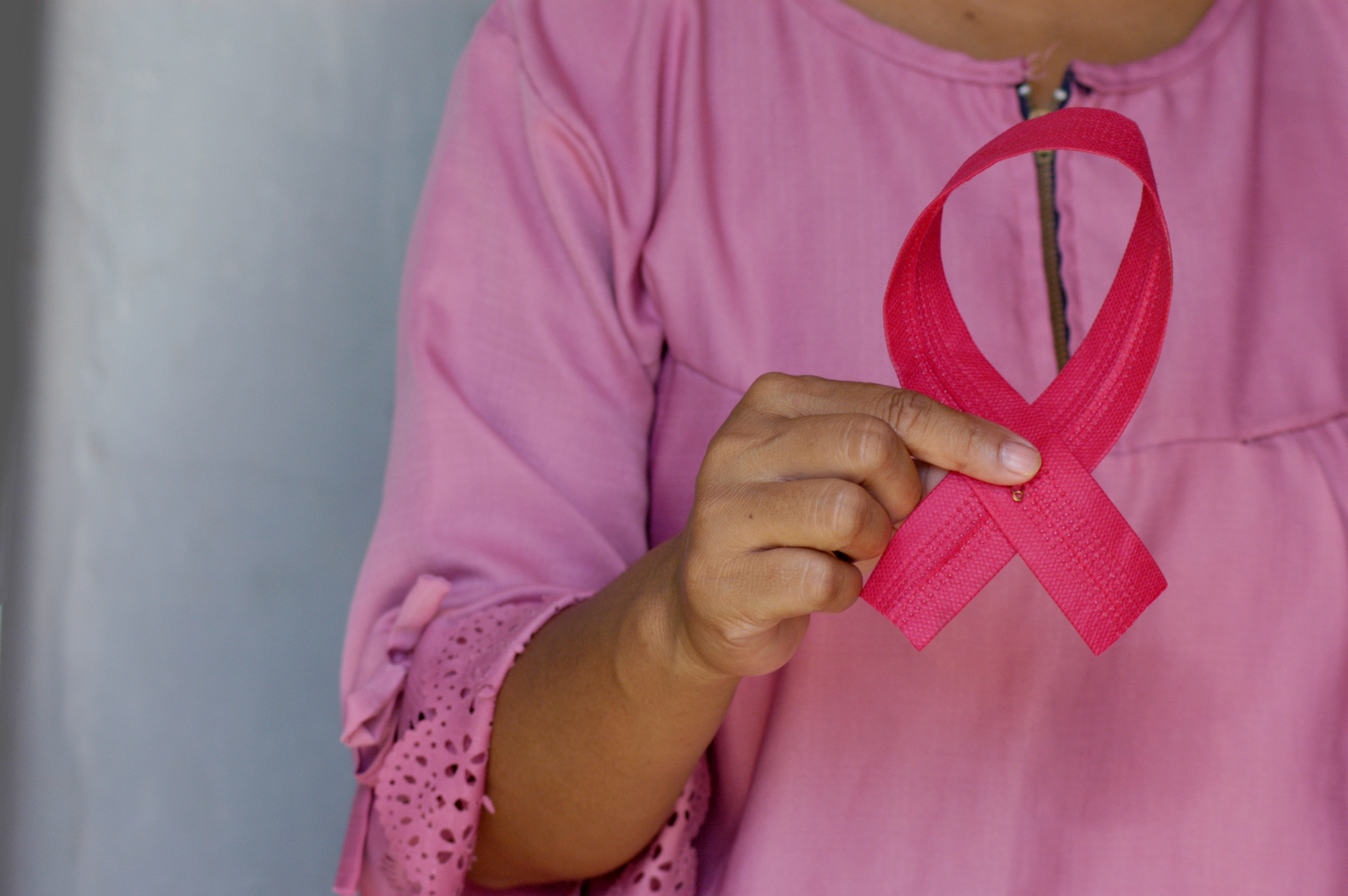
Researchers discover bee venom can kill stubborn breast cancer cells.

Senator calls for more funding as Hawaii’s meth problem surpasses its opioid issue.
Former Manhattan gynecologist is accused of abusing dozens of patients over two decades.

10- and 11-year-old prove kids can help during the pandemic.