
Deadly Synthetic ‘ISO’ Implicated in At Least 19 U.S. Deaths
ISO, a synthetic opioid from China, claims the lives of 19 U.S. residents.


Sara is a credited freelance writer, editor, contributor, and essayist, as well as a novelist and poet with nearly twenty years of experience. A seasoned publishing professional, she's worked for newspapers, magazines and book publishers in content digitization, editorial, acquisitions and intellectual property. Sara has been an invited speaker at a Careers in Publishing & Authorship event at Michigan State University and a Reading and Writing Instructor at Sylvan Learning Center. She has an MBA degree with a concentration in Marketing and an MA in Clinical Mental Health Counseling, graduating with a 4.2/4.0 GPA. She is also a member of Chi Sigma Iota and a 2020 recipient of the Donald D. Davis scholarship recognizing social responsibility. Sara is certified in children's book writing, HTML coding and social media marketing. Her fifth book, PTSD: Healing from the Inside Out, was released in September 2019 and is available on Amazon. You can find her others books there, too, including Narcissistic Abuse: A Survival Guide, released in December 2017.
ISO, a synthetic opioid from China, claims the lives of 19 U.S. residents.

Italy launches investigations over tech company content concerns, following a slew of E.U. cases.
New Jersey hopes to reduce overdose fatalities with readily available monitoring of patient’s medical histories.
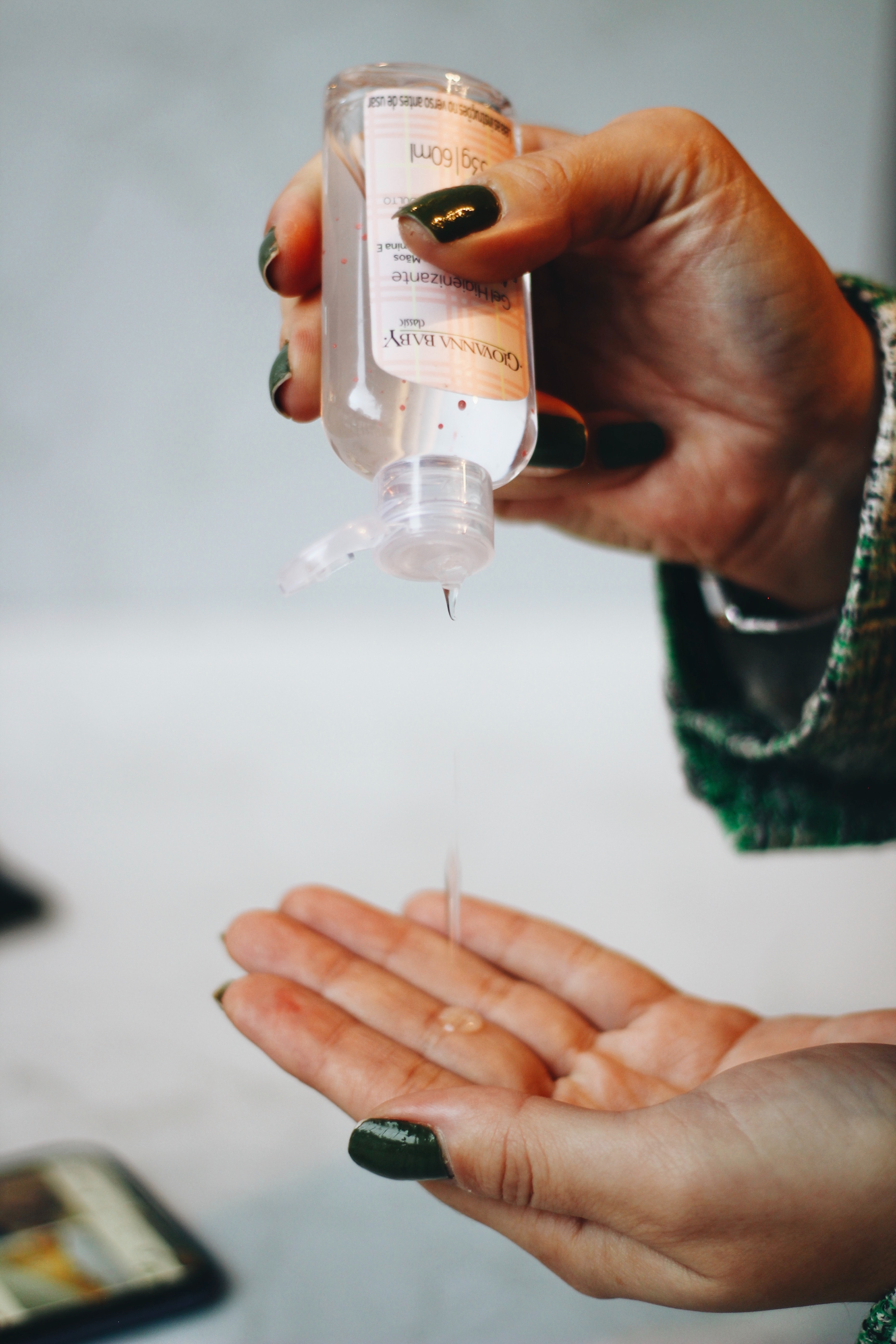
Government agencies give notice of hand sanitizers containing methanol and packaged like edible products.

Drug distributor Mallinckrodt paid out bonuses to key players amid bankruptcy talks.

Teva allegedly withheld pertinent evidence prior to reaching opioid settlement.

Patients seeking treatment for one issue tend to get caught up in a vicious cycle known as the ‘prescribing cascade.’

Advocates suggest B.C. institute Dr. Henry’s proposed reforms to curtail escalating overdose rate.

Parties shift blame to physicians, users in California opioid litigation.

DUSA misguided patients using acne ointment, leading to a lower success rate.