
Alabama Moves to Ban Tianeptine, an Opioid-like Antidepressant
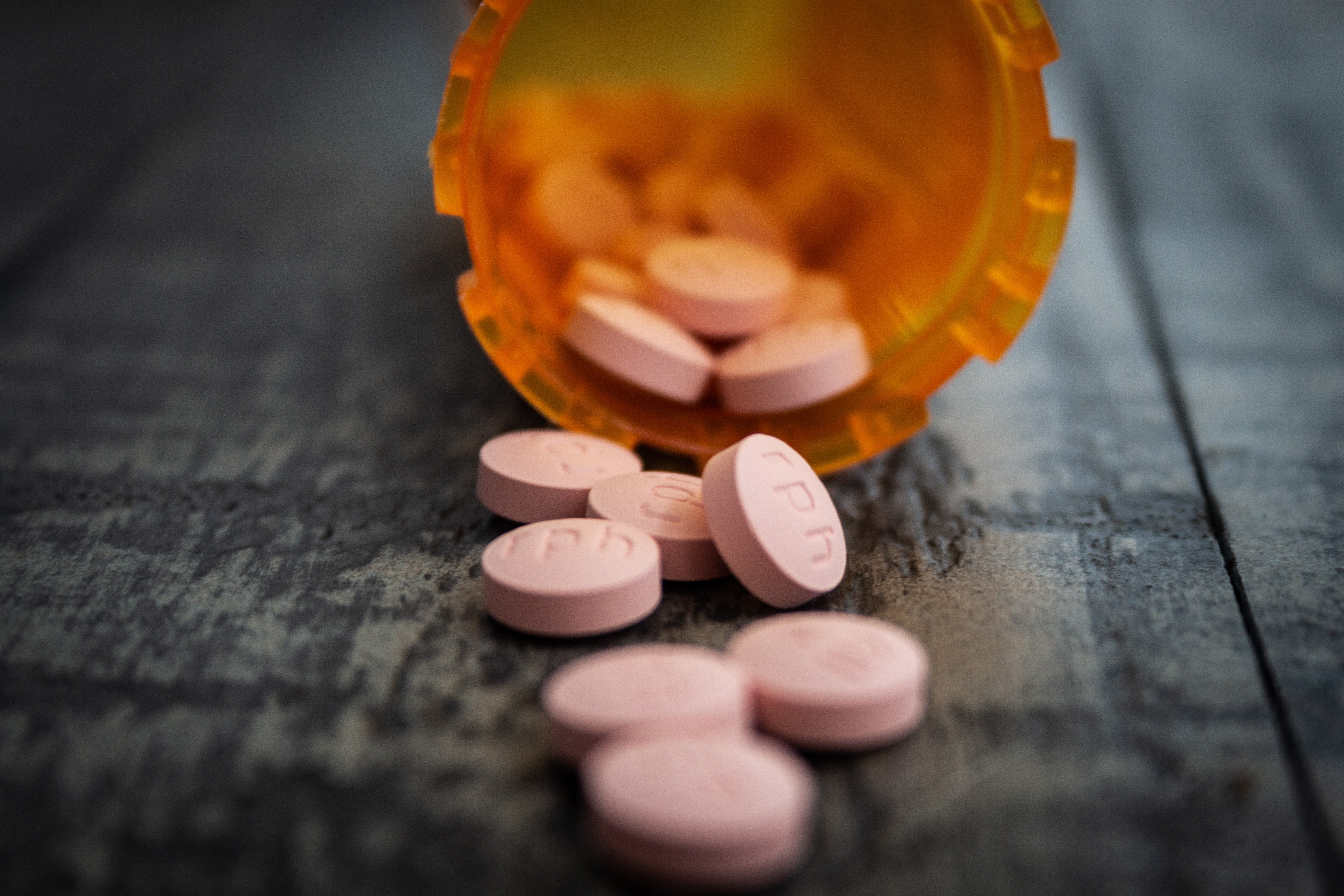
Alabama plans to ban an antidepressant commonly sold at convenience stores and online because of its opioid-like effects.


Sara is a credited freelance writer, editor, contributor, and essayist, as well as a novelist and poet with nearly twenty years of experience. A seasoned publishing professional, she's worked for newspapers, magazines and book publishers in content digitization, editorial, acquisitions and intellectual property. Sara has been an invited speaker at a Careers in Publishing & Authorship event at Michigan State University and a Reading and Writing Instructor at Sylvan Learning Center. She has an MBA degree with a concentration in Marketing and an MA in Clinical Mental Health Counseling, graduating with a 4.2/4.0 GPA. She is also a member of Chi Sigma Iota and a 2020 recipient of the Donald D. Davis scholarship recognizing social responsibility. Sara is certified in children's book writing, HTML coding and social media marketing. Her fifth book, PTSD: Healing from the Inside Out, was released in September 2019 and is available on Amazon. You can find her others books there, too, including Narcissistic Abuse: A Survival Guide, released in December 2017.
Alabama plans to ban an antidepressant commonly sold at convenience stores and online because of its opioid-like effects.
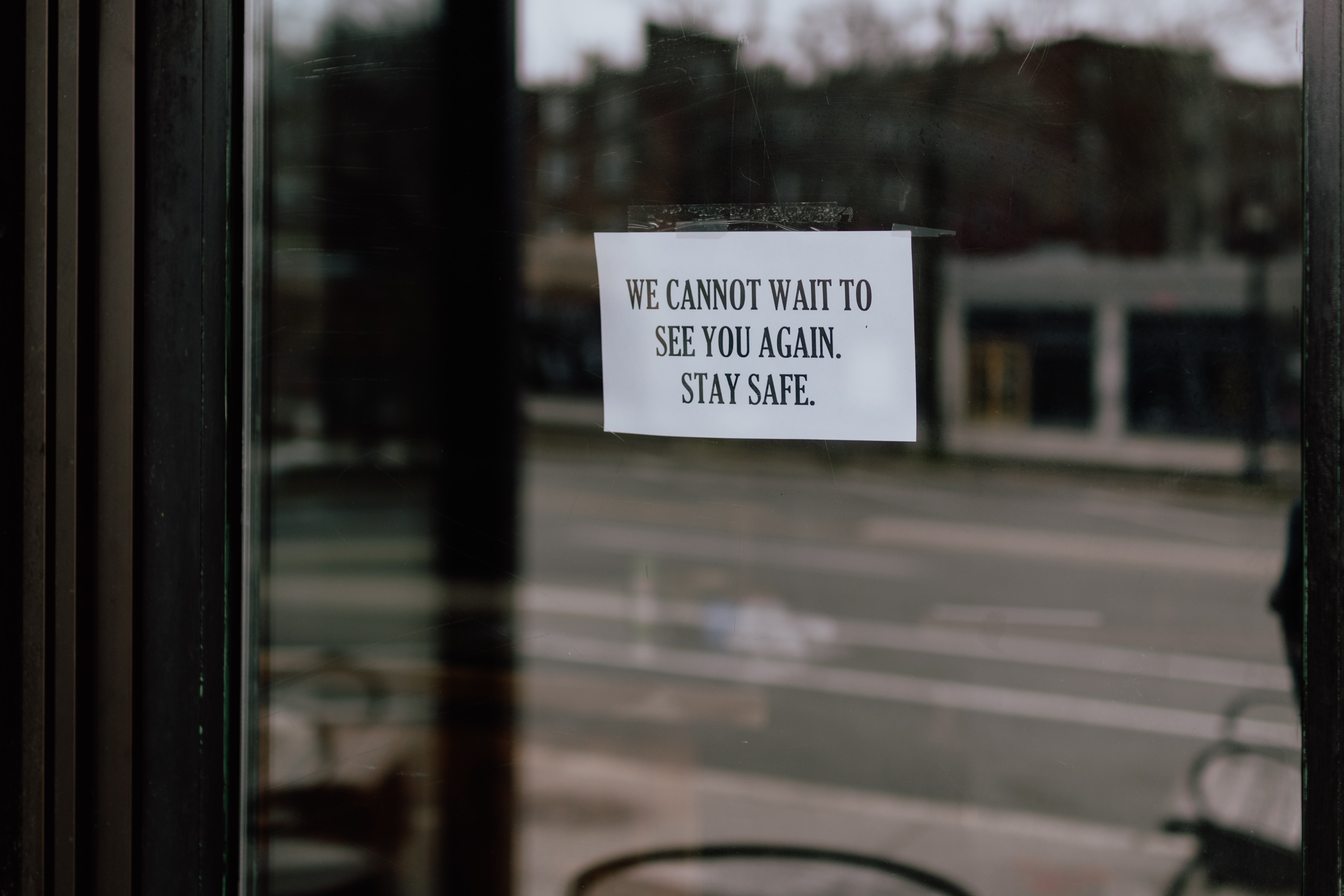
New York’s addiction treatment centers are forced to take additional budget cuts during the pandemic.

Despite widespread knowledge regarding the dangers of overprescribing addictive meds, it’s still happening.

Researchers report that mothers are admitting to misusing opioids during pregnant, which is harmful to both the mother and developing child.

Report finds Massachusetts’ skilled nursing facilities and rehab centers openly discriminated against addiction patients.

Canada’s law enforcement supports viewing drug possession as a public health issue.
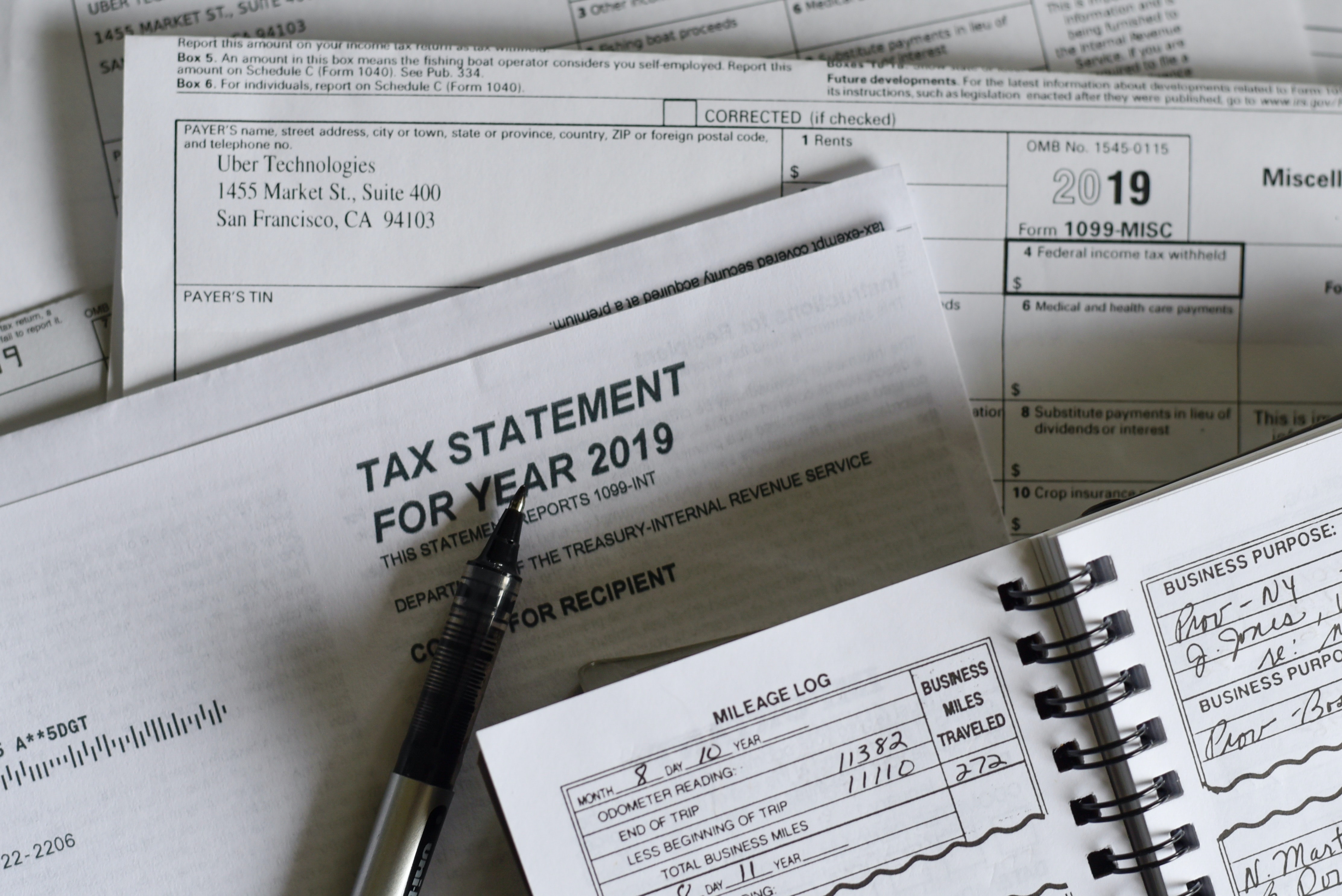
Millionaires are signing a letter requesting to pay more in taxes to help the economy during COVID-19.

Drivers check-in on residents, delivering household items and food during social distancing.
OxyContin manufacturer should be required to ask for judge’s permission before making political contributions, creditors contend.

Brokers face charges in insurance fraud schemes.