
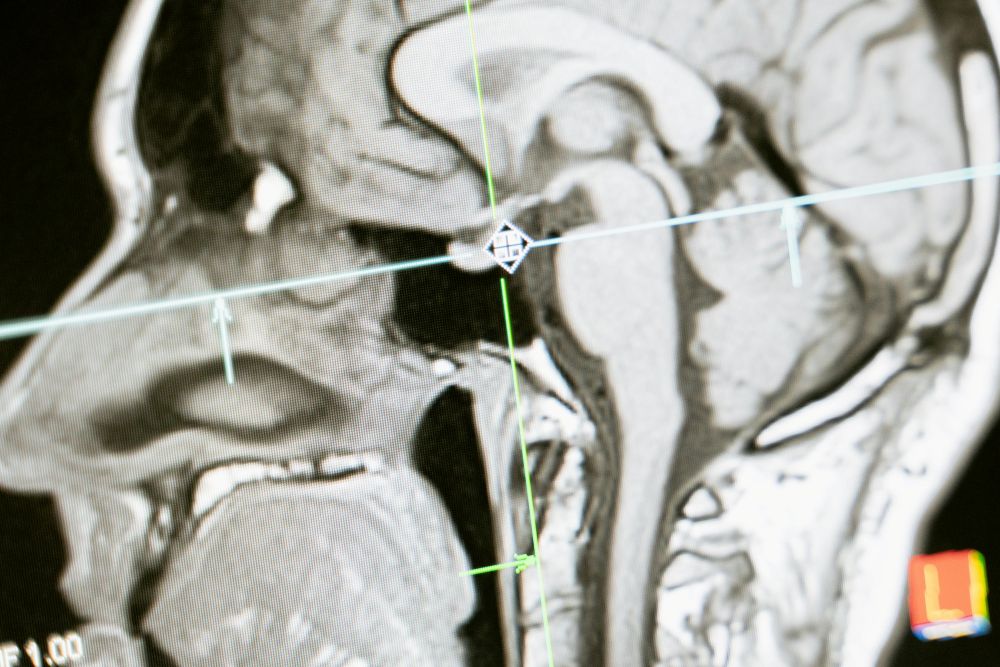
Brain responses to losses may influence emotional resilience and decision-making patterns.
A new study is offering more insight into why some people seem better able to handle stress, setbacks, and disappointment than others. Researchers from RPTU University Kaiserslautern-Landau and University of Amsterdam found that the way people react to possible losses during decision-making may be tied to emotional resilience and certain patterns of brain activity.
The study, published in the Journal of Neuroscience, involved 82 participants who completed a series of tasks involving colored shapes linked to financial rewards or losses. During the experiment, people were shown different combinations of shapes and colors that represented possible gains or costs. At the end of the testing period, those choices affected how much money participants earned or lost.
Researchers noticed clear differences in how people reacted to small negative outcomes. Some participants were less bothered by minor losses and were more willing to accept offers that carried both risks and rewards. Others focused more heavily on the possible downside and rejected more offers.
According to the researchers, the difference did not appear to come from people placing extra importance on rewards. Instead, some participants simply reacted less strongly to small negative consequences. Those individuals tended to continue making choices even when there was a chance of losing something.
Brain scans taken during the experiment showed another interesting pattern. Participants who were less affected by minor losses showed stronger activity in the prefrontal cortex when processing negative information. The prefrontal cortex is an area near the front of the brain involved in thinking, emotional control, planning, and decision-making.
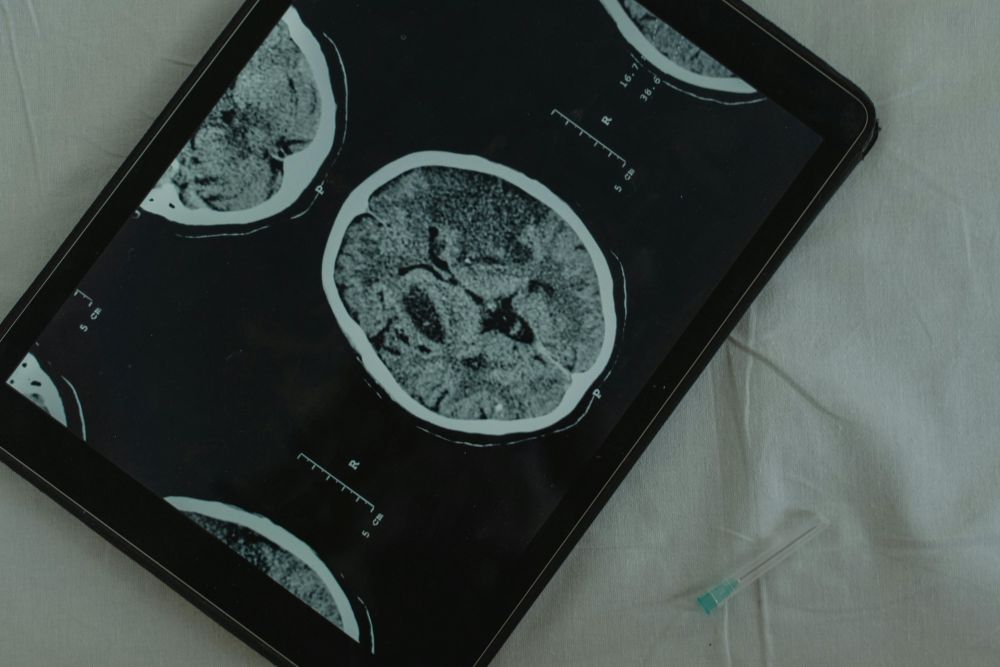
At the same time, those same participants showed lower brain activity when receiving rewards. Researchers believe this may mean emotionally resilient people are not necessarily chasing rewards more aggressively. Rather, they may be better at managing negative thoughts and feelings tied to setbacks or disappointment.
The study also included questionnaires measuring psychological resilience. People who showed this less loss-focused style of thinking generally reported feeling more emotionally resilient in daily life. Researchers said the brain activity patterns appeared to connect the relationship between decision-making behavior and resilience.
The findings suggest that emotional resilience may partly depend on how the brain handles negative experiences. People who can process small losses without becoming overwhelmed may have an easier time adapting to stress and recovering from difficult situations.
Researchers cautioned that the study does not prove cause and effect. The results only show a connection between brain activity, decision-making patterns, and self-reported resilience. More research will be needed to determine whether changing decision-making habits could actually improve emotional resilience over time.
One possible next step involves training people to respond differently during decision-making tasks. Researchers said future studies could test whether rewarding certain choices might encourage a more positive decision style and possibly strengthen resilience. If successful, that type of training could eventually play a role in mental health support or stress management programs.
The findings also add to growing research showing that resilience is not simply a personality trait people are born with. Scientists increasingly believe emotional resilience may involve brain processes that can change through learning, experiences, and behavior.
Mental resilience has become an important topic in recent years as rates of stress, anxiety, and burnout continue to rise. Researchers hope studies like this may eventually help explain why some people recover from challenges more easily while others struggle longer after setbacks.
Although the study focused on small financial decisions in a controlled setting, researchers believe the results may connect to everyday situations. Choices involving work, relationships, money, or social interactions often involve weighing possible rewards against possible disappointments. The way people mentally process those risks may shape how they handle stress in the long run.
Sources:
Prefrontal brain activity explains link between decision bias and mental resilience
Positive Bias in Value-Based Decision Making: Neurocognitive Associations With Resilience
Join the conversation!