

Lawmakers and states move to restrict sales of intoxicating hemp products.
Shortly after hemp was removed from the country’s list of banned substances, a new class of products began showing up in stores and online. These goods weren’t the same as traditional marijuana, but they weren’t exactly free of mind-altering effects either. Items made with ingredients like Delta-8 and Delta-10 THC became widely available, even though these chemicals are not found in large amounts in the hemp plant itself. By using chemical processing, companies were able to produce these compounds from legal hemp, then sell them in gummies, vapes, and oils.
At first, the market for these items exploded. Gas stations, vape shops, and even wellness stores began carrying them. Because they didn’t exceed the legal limit of Delta-9 THC—0.3% by dry weight—some believed they were protected by the 2018 Farm Bill. That law defined hemp in a way that seemed to make these products legal, or at least open to interpretation. Enforcement was slow, and regulators weren’t quick to act.
Federal agencies did take notice, though. The Food and Drug Administration issued warnings about product safety, especially items packaged to look like candy. The Drug Enforcement Administration also stepped in, stating that anything made through chemical conversion from hemp that causes a high should still be considered illegal. Despite that, some federal courts decided that as long as the end product stayed within the 0.3% Delta-9 THC threshold, it could be sold.
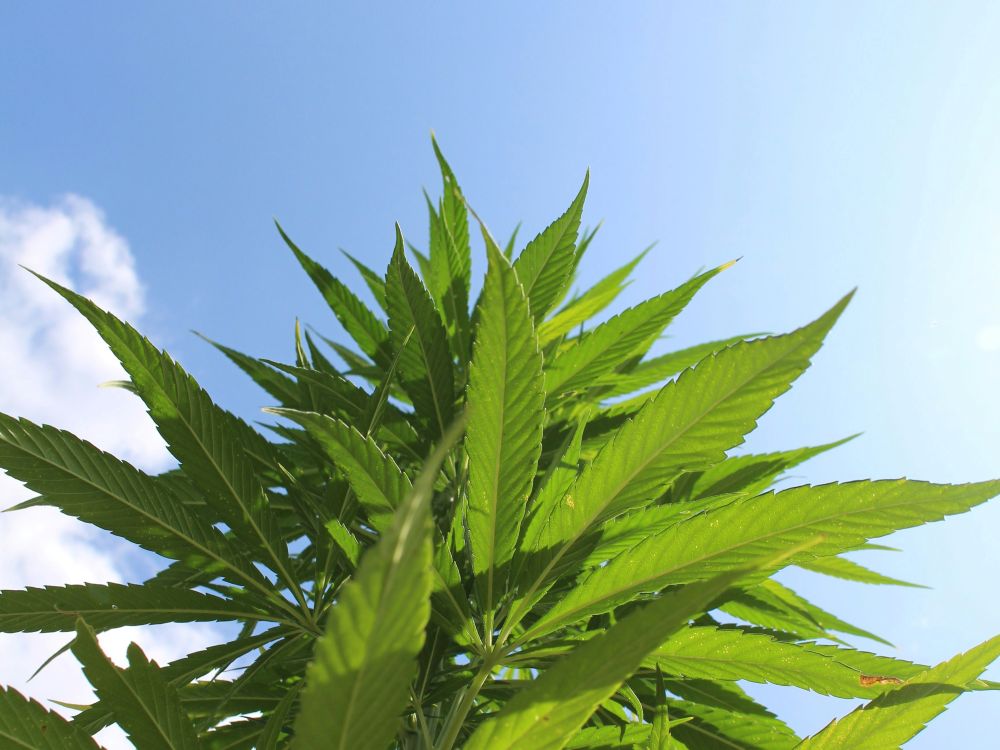
This legal back-and-forth has created confusion and encouraged some states to take matters into their own hands. More than 30 states have passed their own laws, ranging from regulation to outright bans. States like Minnesota and Kentucky chose to control sales by limiting who can buy the products and how strong they can be. Others, including California, Colorado, and Alabama, decided to remove the products from the market completely. In Texas, lawmakers tried to pass a bill banning all hemp items with any noticeable effect, but the governor vetoed it and called for a more measured approach instead.
Now Congress is stepping in. A new federal spending bill and upcoming changes to the Farm Bill may close the door on the loophole that allowed this market to grow. Lawmakers are considering new definitions for hemp that would outlaw any product containing any type of THC or similar compound, regardless of how it was made. This could affect not only Delta-8 and Delta-10 products, but also many forms of CBD that contain even small traces of THC.
For businesses built around hemp, the pressure is mounting. Some may have to shut down or move into the more heavily regulated cannabis industry. Others may find themselves out of step with both state and federal law. The window that once seemed wide open now appears to be narrowing.
Even if Congress doesn’t act immediately, the message is clear: change is coming. Courts may continue to split on how to handle these compounds, but regulators and lawmakers seem to agree that the current system isn’t working. The debate over intoxicating hemp products has gone from quiet legal theory to full-blown political fight. Whether through legislation, court rulings, or agency action, the future of these products looks uncertain. Businesses in the space should prepare for sudden shifts, tighter controls, and a possible end to the legal loopholes they once relied on.
Sources:
The battle over buzz: Federal and state crackdowns on intoxicating hemp products escalate
‘Intoxicating hemp’ products are everywhere, new study warns
Join the conversation!