
Rising premiums push shoppers toward cheaper plans with limits and risks
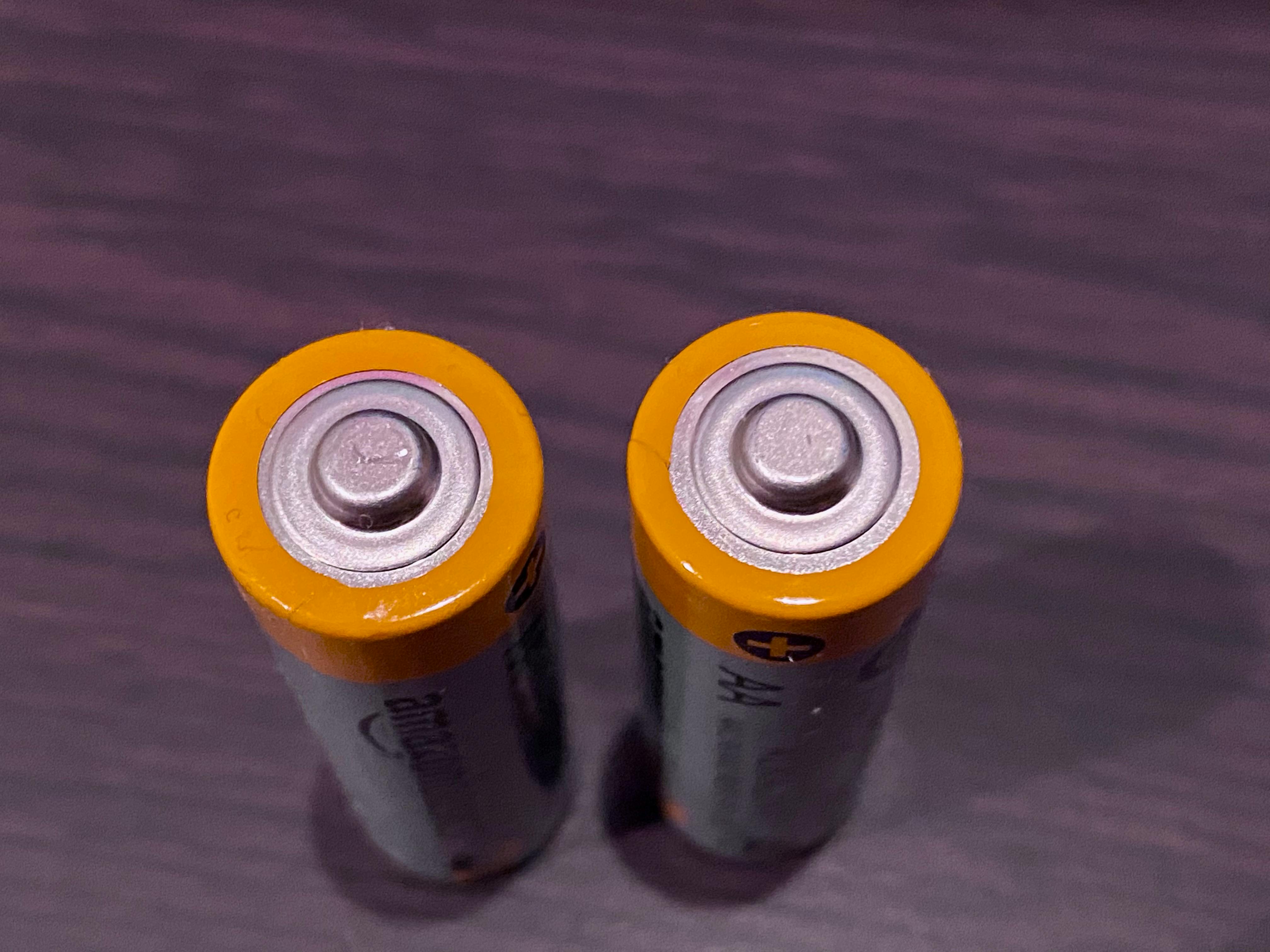
A mother’s fight for safer products has brought new attention to changes inside the federal safety agency meant to protect families from dangerous consumer goods. For Trista Hamsmith, the issue is deeply personal. In late 2020, her 18-month-old daughter Reese died after swallowing a small button battery that had fallen out of a household remote control. The battery caused severe internal burns, leading to months of medical care that ultimately could not save her life. Reese’s death turned an everyday object into a lasting symbol of how quickly a hidden hazard can become deadly.
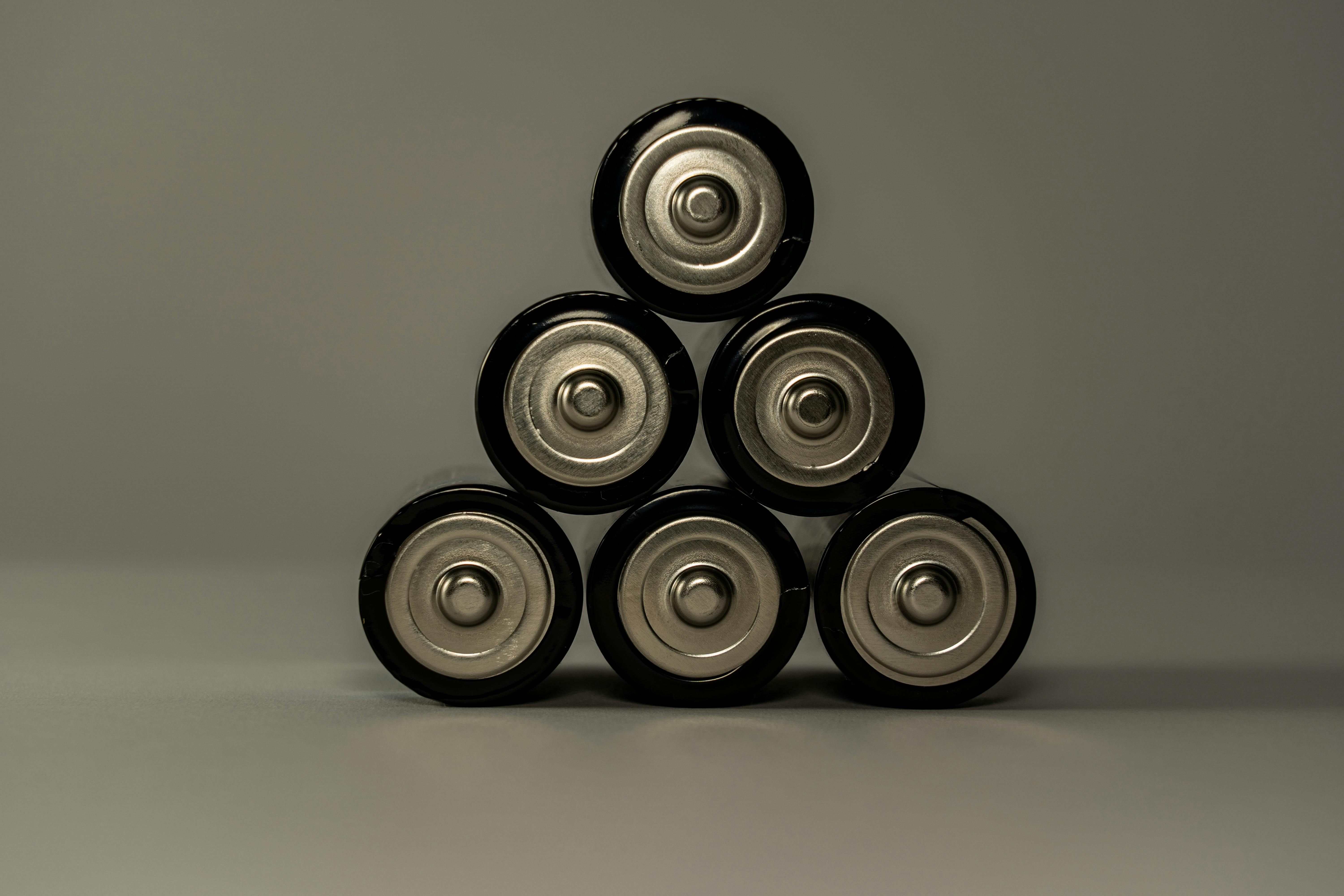
Button batteries are flat, shiny, and easy for small children to pick up and swallow. Once inside the body, they can cause serious damage in a short amount of time. After losing her daughter, Hamsmith decided to push for stronger safety rules. Her work helped lead to the passage of Reese’s Law in 2022, which required better safety measures for products that use these batteries. The law focused on items like remotes and electronics but did not include toys, leaving a gap that worried many parents.
Hamsmith then urged the Consumer Product Safety Commission, known as the CPSC, to extend similar rules to toys. The agency is responsible for setting and enforcing safety standards for thousands of products used in American homes. However, the effort to update toy rules stalled during the past year as the agency went through major leadership and staffing changes. Several commissioners were removed, and staff cuts followed, leaving the commission without enough members to approve new rules.
Former commissioners say the lack of leadership has slowed or stopped many safety efforts. According to them, without a full panel, the agency cannot vote on new protections, even when risks are well known. One former official said the toy battery rule was simple and based on common sense, especially since children are expected to handle toys more often than other products. He argued that delays benefit manufacturers while leaving families exposed to danger.
The CPSC was designed to be independent and balanced, with members from both major political parties. As such, the safety agency was structured in a way keep decisions focused on safety facts rather than politics. Former leaders say that removing commissioners disrupts that balance and weakens the agency’s ability to act. Some of those removed are now challenging their dismissal in court, claiming it broke the law.
The agency, however, disputes these claims. In public statements, the CPSC says the leadership changes were legal and have not affected its mission. Officials say work continues and that success should be measured by unsafe products kept off the market, not by the number of new rules passed. When asked about the battery issue, the agency suggested that current standards are still being enforced.
Industry groups have also weighed in. The Toy Association has said it is not opposed to safety improvements but argues that existing research does not clearly show that tougher rules would prevent more injuries. Critics respond that waiting for more data can mean waiting too long, especially when children’s lives are at risk.
For parents like Hamsmith, the debate goes beyond rules and paperwork. It is about preventing other families from experiencing the same loss. Her advocacy reflects a broader concern that when safety agencies lose power or focus, real people may pay the price. The outcome of the stalled rules and legal battles may shape how quickly future dangers are addressed, and whether lessons learned from tragedy lead to lasting change.
Sources:
Worried about health insurance costs? There may be cheaper options — but with trade-offs
Recent Developments at the Consumer Product Safety Commission: Potential Changes and Implications
Join the conversation!