

Effective governance frameworks can help ensure that redevelopment projects meet legal obligations while supporting broader business objectives.
Property redevelopment plays a central role in urban renewal. Across cities and towns, aging commercial buildings, former industrial sites and underutilised properties are being transformed into housing, offices, retail spaces and mixed-use developments. These projects are often heralded as bearers of economic revivals and revitalised communities. Yet redevelopment also carries responsibilities that extend well beyond planning approvals and construction schedules. Modern developers are expected to navigate a complex landscape of legal obligations, environmental considerations, workplace safety requirements and community expectations. Increasingly, the success of a redevelopment project is measured as much by how responsibly it is delivered as by its financial performance.
Looking beyond the final development
When people discuss redevelopment, it is natural that attention is usually focused on the finished result. New housing units, commercial opportunities and improved public spaces tend to dominate headlines and marketing materials. However, many of the most significant legal and ethical issues arise long before a project reaches completion.
Redevelopment typically begins with demolition, remediation and site preparation. These stages can involve risks relating to hazardous materials, structural integrity, environmental contamination and worker safety. Managing those risks requires careful planning and a clear understanding of applicable regulations. Corporate responsibility therefore begins at the earliest stages of project development rather than once construction is underway.
Managing legacy risks
Many redevelopment projects involve older buildings that were constructed under very different regulatory standards. Properties built decades ago may contain materials that are now heavily regulated or subject to strict handling requirements. Lead-based paints, contaminated soils and asbestos-containing materials are among the issues that developers may encounter when assessing redevelopment opportunities.
From a legal perspective, failing to identify and appropriately manage such risks can create significant liabilities. Regulatory enforcement, project delays, civil claims and reputational damage are all potential consequences of inadequate due diligence. As a result, responsible redevelopment increasingly involves comprehensive site assessments and risk management strategies before physical work begins.
Workplace safety as a corporate obligation
Workplace safety is often discussed in relation to contractors and construction firms, but responsibility frequently extends further up the chain. Developers, property owners and project managers all have an interest in ensuring that redevelopment activities are conducted safely and in accordance with relevant legal requirements. This includes establishing appropriate safety protocols, engaging qualified professionals and ensuring workers understand potential hazards associated with a particular site.
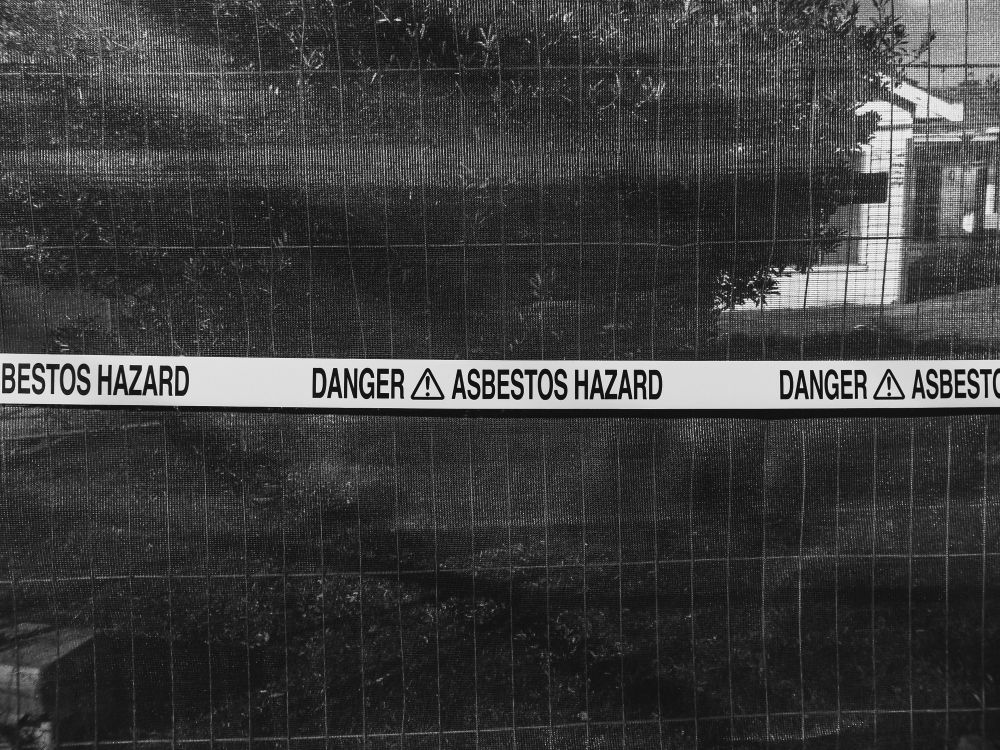
Education forms an important part of this process. Depending on the nature of the project, training in such areas as hazard identification, site safety procedures and asbestos awareness may contribute to a stronger overall safety culture and help reduce the likelihood of avoidable incidents. While specific obligations vary between jurisdictions, courts and regulators increasingly expect organisations to take proactive rather than reactive approaches to workplace risk management.
Environmental responsibilities
Modern redevelopment projects are also shaped by growing expectations around environmental stewardship. Many jurisdictions require environmental assessments before redevelopment can proceed, particularly where former industrial land is involved. Developers may need to address contamination, manage waste streams and implement measures to minimise environmental impact during construction.
In some cases, environmental responsibilities continue long after redevelopment is complete. Ongoing monitoring requirements, remediation obligations and sustainability commitments can become part of a project’s long-term legacy.
Community expectations and social licence
Legal compliance alone is no guarantee of public support. Large redevelopment projects can significantly affect surrounding communities through increased traffic, noise, changing land use patterns and alterations to neighbourhood character. As a result, developers are increasingly expected to engage with stakeholders throughout the redevelopment process.
This concept is sometimes described as maintaining a “social licence to operate.” While not a formal legal requirement, it reflects the reality that community opposition can influence planning outcomes, regulatory scrutiny and project timelines.
Transparent communication, meaningful consultation and responsiveness to legitimate concerns can therefore play an important role in project success.
Governance and accountability
Last but not least, corporate governance has become an increasingly important consideration in property redevelopment. Investors, regulators and the public are paying closer attention than ever as to how organisations identify and manage risk. Boards and senior leadership teams are often expected to demonstrate oversight of workplace safety, environmental performance and compliance systems rather than treating these matters as operational issues alone.
This trend reflects a broader shift in corporate accountability. Organisations are increasingly judged not only on what they build but on how they build it. Effective governance frameworks can help ensure that redevelopment projects meet legal obligations while supporting broader business objectives.
Join the conversation!