
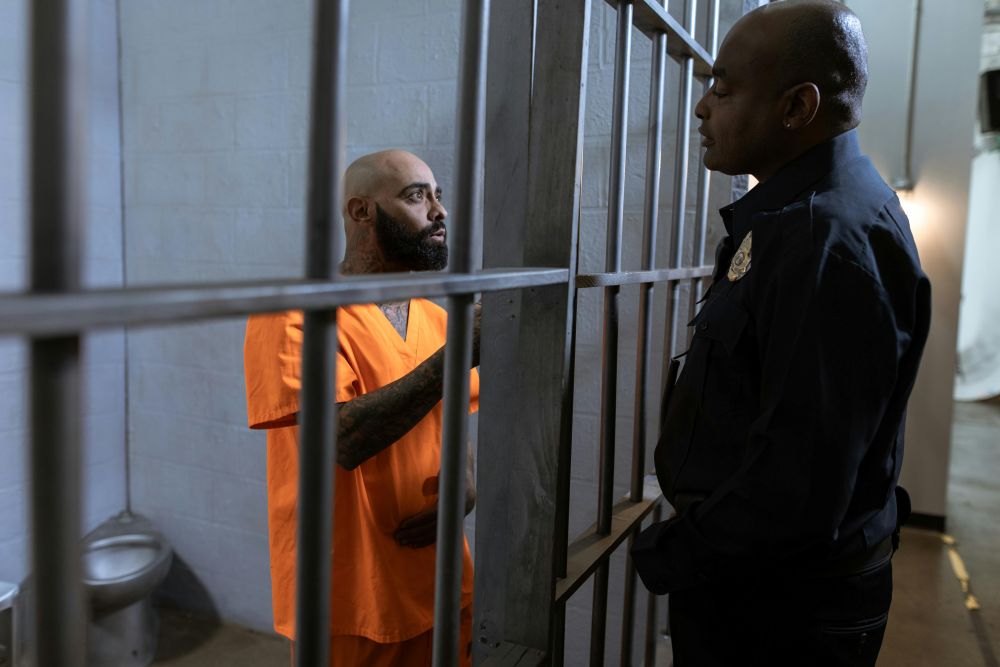
Innocence matters, but it isn’t the only factor in how long justice takes. Where a case is tried, who the defendant is, and how the conviction was obtained can all shape the wait.
Innocence isn’t the only thing that decides how long a wrongfully convicted person stays behind bars. Geography and race play a role too, and the numbers are hard to ignore.
A recent analysis of more than 3,700 exonerations from Josh Lee & Associates looked at data from the National Registry of Exonerations, which tracks cases from 1989 through July 2026. The firm broke the data down by state, race, gender, and crime type. The most striking results came from measuring how long people waited to be cleared.
A Wait That Depends on the State
Louisiana had the longest median wait in the country at 14.7 years. Nebraska followed at 13.5 years, then Connecticut at 12.7, Missouri at 11.55, and Pennsylvania at 11.4. At the other end, Maine had the shortest wait, and Delaware, North Dakota, Texas, and New Hampshire all came in at one year or less.
That’s a gap of more than a decade between two people who were both convicted of crimes they didn’t commit.
The History Behind the Numbers
The study points to local history to explain some of these differences. Louisiana allowed felony convictions on non-unanimous jury votes until 2018, a rule written into the state constitution in 1898 to weaken the voices of Black jurors. Cases that began under that system could sit for decades without a clear legal path to challenge them.

Illinois had the highest exoneration rate in the nation, at 29.12 per 100,000 prisoners. The study ties part of that to the Jon Burge scandal, in which Chicago police tortured more than 100 mostly Black men into false confessions. It also notes that about 219 Chicago-area drug convictions were thrown out in batches after officers were found to have fabricated cases. Texas stands out for drug exonerations, which may be linked to a 2013 law that lets prisoners appeal convictions based on outdated forensic science. Most states don’t offer that option.
Who Waits the Longest
Race made a measurable difference as well. People of color spent a median of 6.8 years incarcerated before their convictions were overturned, compared to 4.3 years for white exonerees. On average, the gap was 10.13 years against 7.7 years. Men of color lost the most time of any group in the dataset, averaging 10.52 years.
What Drives the Gap
The causes of wrongful convictions also varied by race. Official misconduct appeared in 66.1 percent of Black exonerees’ cases, compared to 51.8 percent of white exonerees’ cases. Mistaken witness identification was present in 33.3 percent of Black exonerees’ cases, more than double the 14.7 percent rate for white exonerees. False or misleading forensic evidence was more common in white and Asian exonerations.
Misconduct and mistaken identity can be harder to prove years later than a flawed lab result, which may help explain why those cases take longer to unravel.
What the Data Can’t Tell Us
The study is careful about its limits. A high ratio of exonerations involving people of color in a given state doesn’t prove that state convicts people unfairly, since states with larger Black and Hispanic populations will naturally produce more of those cases. Illinois is a good example, because much of its total comes from one unit’s misconduct rather than from a statewide pattern.
Still, the combination of longer waits and higher rates of misconduct and misidentification is difficult to dismiss. Taken together, the findings suggest that being cleared of a crime is not equally easy for everyone.
What the Findings Mean
Innocence matters, but it isn’t the only factor in how long justice takes. Where a case is tried, who the defendant is, and how the conviction was obtained can all shape the wait. The data can’t speak to any single case, but it does show where the harder questions should be asked.
Join the conversation!