
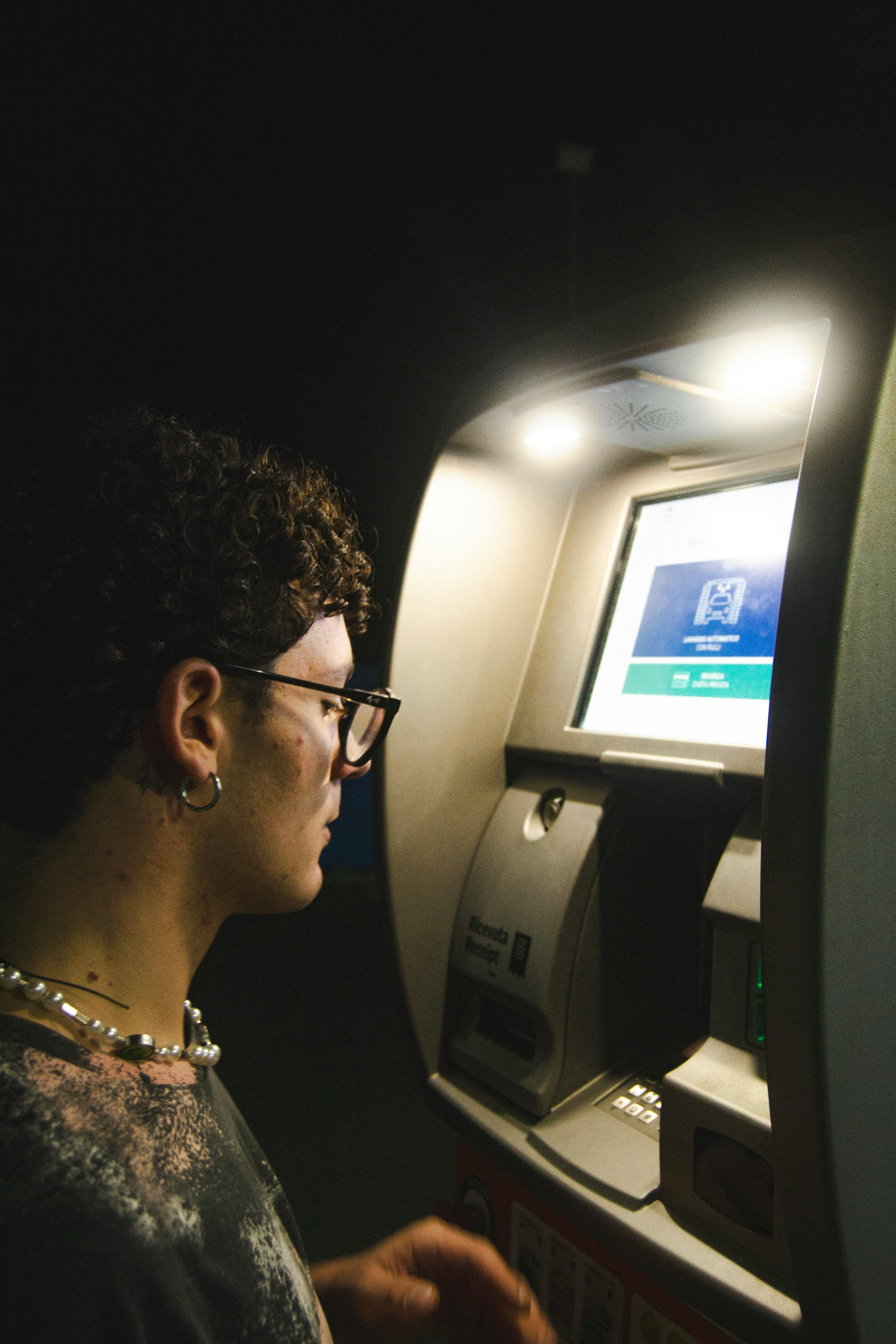
Federal prosecutors widen ATM hacking case tied to global crime network.
Federal prosecutors have expanded a sweeping criminal case tied to a worldwide scheme that targeted cash machines across the United States. A new indictment filed in Nebraska adds 31 more defendants, bringing total charged individuals to 87. Authorities say the group used computer malware to force ATM machines to release cash, then moved stolen money through organized networks linked to Tren de Aragua, a group the United States has labeled a foreign terrorist organization. According to court filings, the operation relied on a method often called ATM jackpotting.
ATM jackpotting involves breaking into cash machines and loading harmful software that overrides normal controls. Once installed, the malware sends commands that cause machines to dispense large amounts of money without proper account access or approval. Investigators say this group used a version of malware known as Ploutus, which was designed not only to steal cash but also to erase traces of the attack.
Federal officials allege the conspiracy stretched across many states and involved teams that traveled together to scout locations. These teams reportedly studied security features, tested alarms, and then returned to install the malware. In some cases, hard drives inside the machines were removed and replaced with altered ones. In others, external devices were used to inject the software. After cash was taken, proceeds were split among participants based on preset rules.

Prosecutors say stolen funds were used to support Tren de Aragua, which began as a prison gang in Venezuela and later grew into an international crime network. Court documents describe a wide range of alleged activities tied to the group, including drug trafficking, weapons sales, kidnapping, sex trafficking, robbery, and murder. Financial crimes, including ATM attacks, are described as a growing source of income for the organization.
The latest indictment follows earlier filings in late 2025 that charged dozens of defendants with crimes tied to the same network. Those earlier cases included charges such as bank fraud, bank burglary, computer damage, and money laundering. Some defendants also face accusations of providing support to a terrorist group. If convicted on all counts, certain individuals could face decades in prison, and in some cases sentences that span much of a lifetime.
Law enforcement agencies say the scale of the case reflects months of coordination across federal, state, and local levels. Investigators from the FBI, Homeland Security Investigations, and other agencies worked alongside police departments and sheriff offices from across the country. Officials emphasized that tracking money flows played a key role, allowing investigators to connect ATM thefts in different states back to the same network.
Justice Department leaders described the case as part of a broader effort to disrupt criminal groups that cross borders and use technology to steal from financial systems. Statements from federal officials stressed that attacks on banks and credit unions affect more than institutions, since stolen funds and damaged machines can raise costs for customers and communities. Authorities also noted that malware-based crimes require advanced planning and technical skill, making them harder to detect without coordinated efforts.
The case also draws attention to concerns about how organized crime adapts to new tools. While physical bank robberies have declined over time, digital methods that blend computer hacking with hands-on theft are becoming more common. Investigators say groups like Tren de Aragua combine traditional street-level crime with cyber tactics, allowing them to operate across large areas while avoiding early detection.
All defendants named in the indictments are presumed innocent unless proven guilty in court. Prosecutors say the investigation remains active, and additional charges are possible as authorities continue reviewing financial records, travel patterns, and digital evidence. Officials involved in the case say the goal is not only to secure convictions but also to cut off funding streams that allow violent organizations to operate. As court proceedings move forward, the case is expected to serve as a major test of how the justice system responds to global crime networks that blend technology, fraud, and violence.
Sources:
87 charged in nationwide ATM ‘jackpotting’ scheme tied to Tren de Aragua gang
Join the conversation!