
“I find that allowing the National Guard to deploy will only add fuel to the fire that the defendants have started,” U.S. District Judge April Perry said.
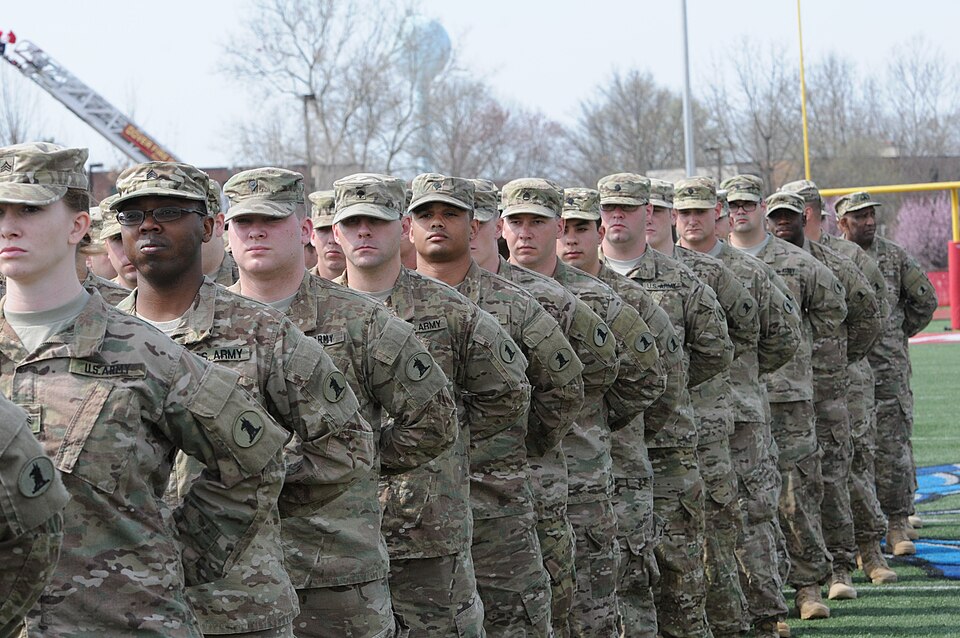
A federal judge has granted a restraining order blocking the Trump administration from deploying National Guard troops in Chicago and other Illinois cities.
According to CBS News, in a ruling from the bench, U.S. District Judge April Perry said that no National Guard units may be deployed in Illinois for at least 14 days. Perry indicated that a full, written ruling will be published on Friday, though she said that she expects her order to be appealed.
The judge noted that her decision was the result of a “credibility determination,” finding that the U.S. Department of Homeland Security’s assessment of violence, crime, and widespread protests in Chicago to be broadly “unreliable.”
The Trump administration, Perry said, has yet to provide any compelling evidence of an organized rebellion in Illinois. Protests have occurred, and some federal agents have been assaulted, but Perry stated there is little reason to believe that the situation is beyond the control of local and federal law enforcement.
There is “no doubt that there have been acts of vandalism and assaults” in response to the administration’s widespread deployment of U.S. Immigration and Customs Enforcement personnel, but she did not agree with Homeland Security’s assertion that the Chicago Police Department is incapable of controlling the situation.
Multiple grand juries, Perry said, have refused to indict protesters detained outside of a Broadview-area ICE facility—a fact that should cast “significant doubt” on the government’s characterization of events.
In a more aggressive round of remarks, the judge also said that there is evidence showing that the presence of National Guard personnel would probably incite civil unrest, rather than curb crime and violence. Perry observed that some ICE agents in Chicago have acted provocatively and, at times, unconstitutionally.
“I find that allowing the National Guard to deploy will only add fuel to the fire that the defendants have started,” Perry said.
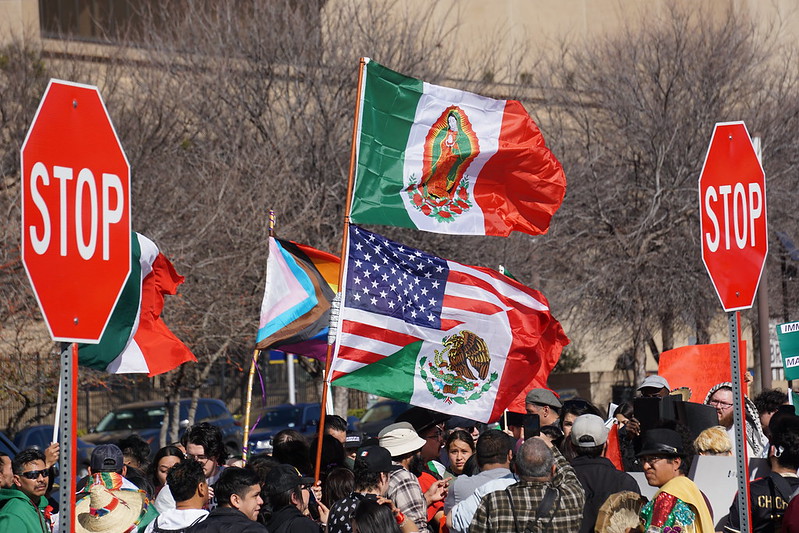
The White House has since responded to Perry’s ruling in its typically bombastic style, using the statements of local, city, and state leaders—many of whom maintain that a National Guard presence is entirely unnecessary—as evidence of some sort of Democratic conspiracy or cover-up.
“Amidst ongoing violent riots and lawlessness, that local leaders like Pritzker have refused to step in to quell, President Trump has exercised his lawful authority to protest federal officers and assets,” White House spokesperson Abigail Jackson said. “President Trump will not turn a blind eye to the lawlessness plaguing American cities and we expect to be vindicated by a higher court.”
Illinois Attorney General Kwame Raoul, in contrast, opined that Perry “did a very careful job weighing the evidence,” ultimately making “the correct decision to enter a temporary restraining order.”
“This is an important decision not just for the state of Illinois, but for the entire country. The question of states’ sovereignty was addressed in this decision,” Raoul said in a statement. “The question of whether or not the President of the United States should have unfettered authority to militarize our cities was answered today.”
Sources
Chicago federal judge temporarily blocks National Guard deployment in Illinois
Chicago puts up a fight against Trump, deployment of National Guard troops
Join the conversation!