
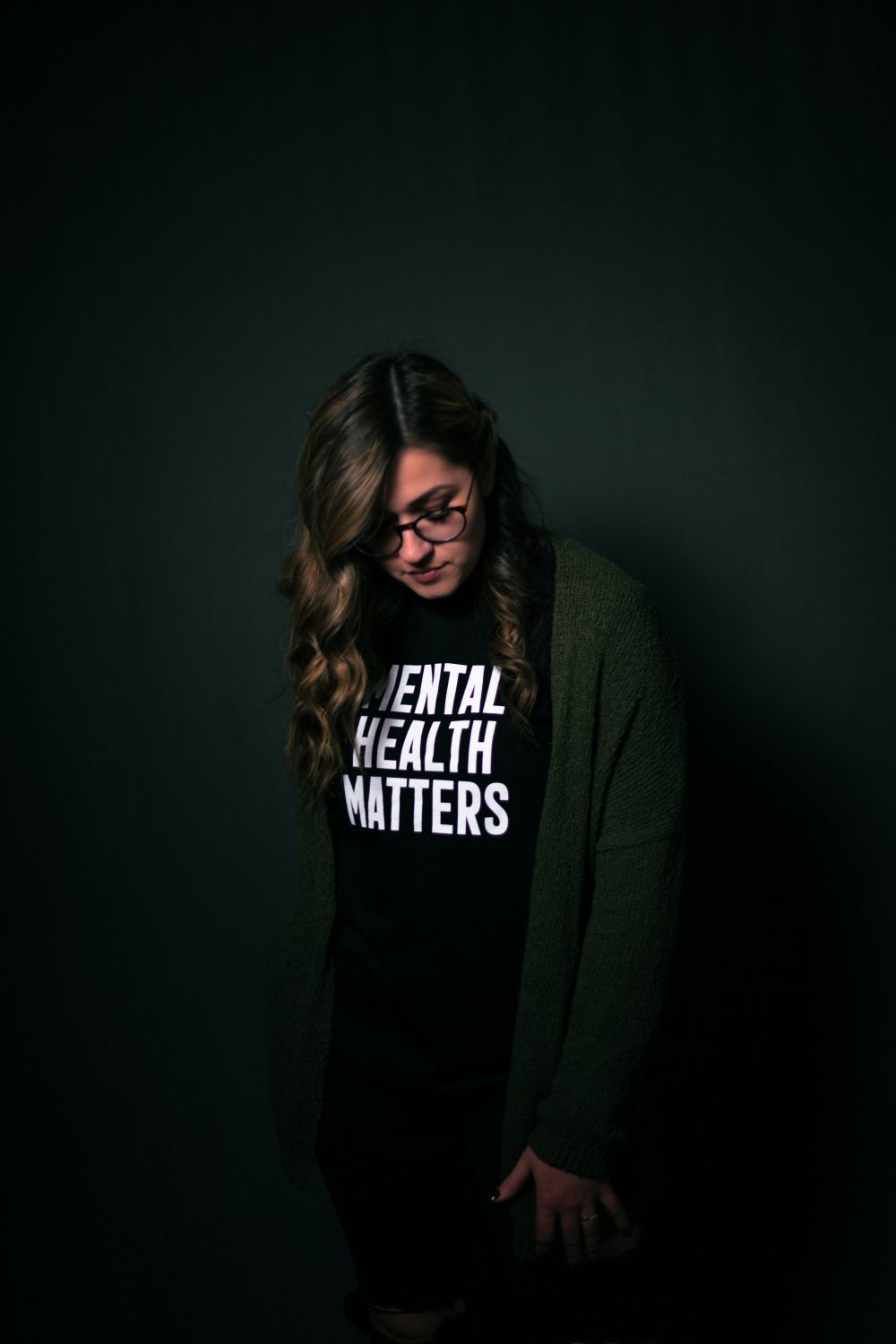
Brief federal funding cut caused chaos for mental health providers nationwide.
The sudden reversal of federal mental health funding caused confusion and fear for providers and patients across the country, including in West Virginia. Billions of dollars tied to mental health and substance use programs were briefly canceled by the U.S. Department of Health and Human Services before being restored less than a day later. Even though the funding was reinstated, the short window of uncertainty had lasting effects on agencies, workers, and the people who rely on these services every day.
The funding reversal affected programs overseen by the Substance Abuse and Mental Health Services Administration. These programs support counseling, crisis care, addiction treatment, and prevention services, many of which are already stretched thin. In rural areas, where access to healthcare is often limited, these services are sometimes the only option available. When news of the cuts spread, many providers feared that clinics would close, staff would lose jobs, and patients would be left without care.
Employees at FMRS Health Systems in southern West Virginia were among those impacted. Leaders at the organization said staff members were told their positions could be eliminated, forcing many to immediately think about how they would support their families. Some workers began preparing for layoffs, while others worried about unfinished care plans for clients who depend on regular treatment. For providers, the stress was not only about employment but also about abandoning patients in the middle of therapy or recovery.

The programs placed at risk due to the reversal covered a wide range of needs. Trauma treatment for children was one of the services facing possible loss, along with adult mental health care and substance use prevention efforts. These services often work together, supporting families over long periods of time. When funding is removed without warning, even briefly, the system struggles to recover. Appointments may be canceled, referrals delayed and trust damaged.
National data suggests that nearly 2,000 jobs were affected by the funding decision. Less than 24 hours after organizations were notified, many were told to ignore the initial announcement. By that point, however, the damage had already begun. Some agencies had informed staff of job losses, and others had started planning for shutdowns or service reductions. Reversing course did not erase the fear or confusion created by the announcement.
Leaders at FMRS said the sudden change created chaos in the workplace. There was little time to verify information or reassure employees. Decisions that impact healthcare workers and patients were made quickly, without clear guidance on what would happen next. These moments highlight how policy choices made at a federal level can directly affect daily life in local communities.
The issue comes at a time when many Americans are already worried about access to care. Health insurance coverage remains uncertain for some families, especially after recent increases in premiums tied to changes in Affordable Care Act subsidies. For people managing mental health conditions or substance use disorders, cost and access are often the biggest barriers to staying in treatment. Even short disruptions can cause setbacks that take months to repair.
Mental health providers say stability matters as much as funding itself. Clinics need to plan staffing, schedules, and services months in advance. Patients need to know their care will continue. Sudden policy shifts make it harder for agencies to recruit workers, retain staff, and maintain consistent treatment. In rural states like West Virginia, where provider shortages are common, these challenges are even more severe.
Although the funding was restored, many providers say the episode revealed deeper problems in how mental health services are supported. Trust between agencies and decision-makers can be shaken by abrupt changes like the reversal. For workers and patients alike, the experience served as a reminder that mental health care often sits on uncertain ground, even as demand continues to grow.
Sources:
State of denial: How insurance companies impact health care today
HHS reverses decision to cut $2 billion for mental health and addiction services
Join the conversation!