

Florida bill links vaccine lawsuits to advertising and sparks constitutional debate.
Florida lawmakers are weighing a proposal that could open a new path for lawsuits against vaccine manufacturers, marking a sharp shift from long-standing limits on liability. The bill would allow people who say they were harmed by a vaccine to sue the manufacturer if that company advertised the vaccine in Florida. Supporters frame the idea as a way to strengthen accountability and informed consent, while critics warn it could clash with federal law and the First Amendment.
The measure, House Bill 339, is moving through the Florida Legislature and has already sparked debate inside and outside the Capitol. Under the proposal, a person who experiences harm after receiving a vaccine would have three years to file a civil lawsuit, but only if the vaccine maker promoted the product through advertising within the state. The advertising link is the core of the bill and also the source of most legal concerns raised during committee hearings.
Vaccine manufacturers have long been shielded from most civil lawsuits by federal protections. Those rules were created to ensure a stable vaccine supply and to handle injury claims through federal compensation programs rather than state courts. As a result, people alleging vaccine-related injuries usually cannot sue manufacturers directly. This bill would carve out an exception by tying legal exposure to advertising activity, rather than the act of manufacturing alone.
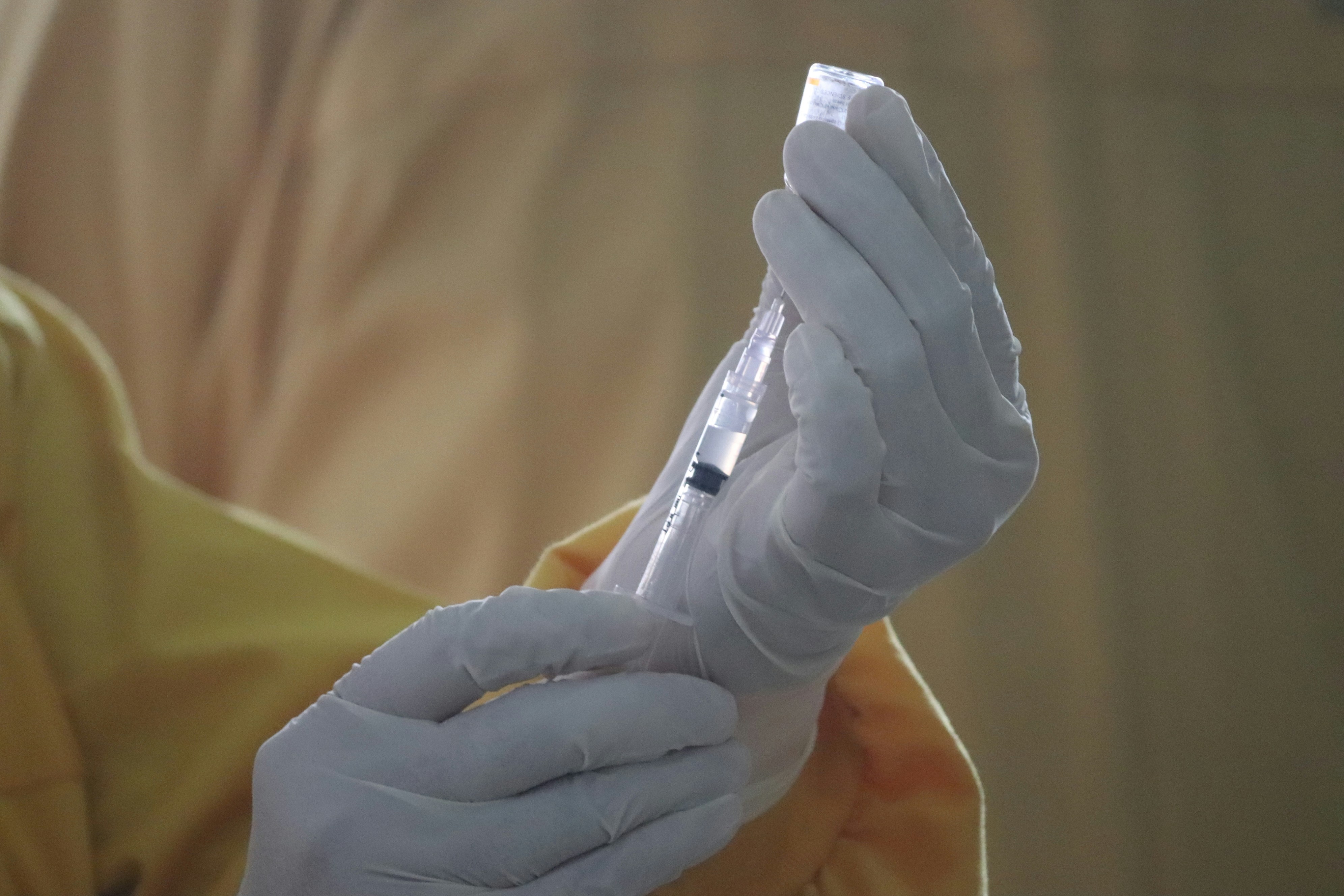
The bill’s sponsor, Monique Miller, said the goal is to promote informed consent and make sure companies stand behind their products. She argued that if vaccine injuries are truly rare, manufacturers should be willing to accept responsibility for harm when it does occur. The bill, she said, is meant to give patients a clearer path to seek answers and relief when they believe a vaccine caused serious injury.
During legislative discussions, lawmakers acknowledged that the bill still needs clearer language, especially around how harm and injury would be defined. In recent years, public attention has focused on rare adverse events following COVID-19 vaccinations, including cases of heart inflammation reported mostly among younger men. Lawmakers noted that while such events are uncommon, they have fueled public concern and demands for more transparency.
Opposition to the bill has come from legal groups and policy advocates who argue it runs into serious constitutional problems. Critics say the proposal targets commercial speech, a category of speech protected by the First Amendment. Commercial speech includes advertising and marketing, and while it can be regulated, courts require a strong justification. The government must show a real public interest, demonstrate that the speech is misleading or harmful, and ensure restrictions are narrowly tailored.
William Large, president of the Florida Justice Reform Institute, told lawmakers that people already have ways to seek compensation under federal law. He argued the bill is blocked by federal statutes and unfairly singles out advertising as a trigger for lawsuits. In his view, the proposal does not just regulate speech but penalizes it by attaching legal risk to advertising itself.
Legal scholars note that courts have allowed limits on commercial speech in some cases, but those limits face close scrutiny. If HB 339 becomes law, it could invite lawsuits testing whether linking liability to advertising activity crosses constitutional lines. Opponents say the bill may discourage companies from sharing information about vaccines in Florida, even if that information is accurate.
Some testimony also raised political concerns. Several speakers questioned whether the bill fits into broader efforts by the administration of Ron DeSantis to loosen vaccine requirements and appeal to voters skeptical of childhood and COVID-era vaccinations. While supporters of the bill deny it is part of a larger anti-vaccine push, critics see it as another step that could undermine public confidence in vaccines.
The idea behind HB 339 is not entirely new. Miller said she looked to a similar law passed in Texas last year. That measure also drew criticism from business and legal groups, who warned it could chill free speech and expose companies to unpredictable legal risk simply for advertising lawful products.
HB 339 passed its first committee on a 12–4 vote and must clear two more committees before reaching the Florida House floor. A companion bill, Senate Bill 408, is also moving through the Senate. As the bills advance, lawmakers face pressure to balance patient concerns, public health goals, and constitutional limits.
If approved, the proposal could reshape how vaccine makers operate in Florida and how far states can go in tying legal liability to advertising. The outcome may not only affect vaccine policy but also set a test case for how commercial speech is treated when public health and consumer protection collide.
Sources:
Florida may create new way to sue vaccine makers for harm
Florida lawmakers offer a bill that could lead to lawsuits over vaccine ads
Join the conversation!