
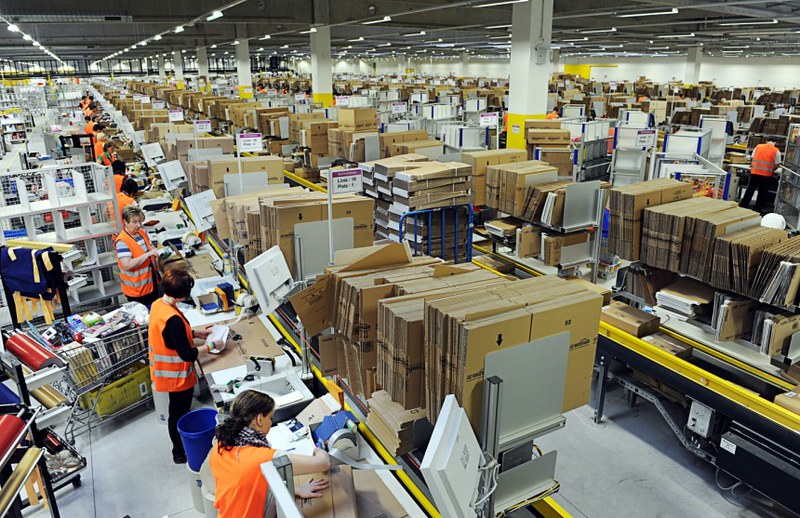
Understanding the risks associated with the repetitive strain injuries that warehouse workers face can help individuals protect both their health and their workplace rights.
Warehouse and manufacturing environments are essential to keeping supply chains moving, but they also expose workers to a range of physical risks that often develop over time rather than from a single incident.
Among the most common yet overlooked hazards are the repetitive strain injuries that warehouse employees experience after performing the same motions day after day.
Unlike sudden accidents, these injuries can take months or even years to become severe, making them easy to ignore until they significantly affect a worker’s health, productivity, and financial stability.
What are repetitive strain injuries and why do they matter?
Repetitive strain injuries (RSIs) are conditions caused by repeated movements, forceful exertions, awkward postures, or prolonged physical stress on muscles, tendons, nerves, and joints. Because symptoms often develop gradually, many workers continue performing their duties long after discomfort begins.
This is one reason why repetitive strain injuries in warehouse workers frequently go underreported. Employees may dismiss early warning signs as temporary soreness, while employers may not immediately recognize the connection between daily job tasks and developing injuries.
The consequences can be significant. Without proper treatment and intervention, RSIs may worsen over time, leading to chronic pain, reduced mobility, and extended time away from work.
Common types of RSIs in physical labor
Several forms of repetitive strain injuries are commonly seen in warehouse and manufacturing settings, including:
- Carpal tunnel syndrome caused by repetitive hand and wrist movements.
- Tendinitis resulting from repeated lifting, gripping, or reaching.
- Bursitis, which affects the fluid-filled sacs that cushion joints.
- Lumbar and lower back injuries associated with repetitive lifting and bending.
- Shoulder and neck strains caused by overhead work or repetitive motions.
These conditions can develop slowly, making early recognition especially important.
How warehouse and manufacturing work creates RSI risk
Many warehouse and manufacturing jobs require employees to perform the same physical tasks repeatedly throughout a shift. Activities such as packing products, operating machinery, scanning inventory, lifting boxes, and assembling components place continuous stress on specific parts of the body.
The risk is particularly high in manufacturing, where repetitive motion injuries frequently affect assembly line workers who repeat identical movements thousands of times during a workweek.
In addition, poorly designed workstations, equipment, or job processes can cause workplace ergonomic injuries in warehouse environments that fail to minimize physical strain. Over time, these repeated demands can lead to cumulative trauma claims in physically demanding jobs, where damage builds up gradually rather than from a single event.
The real financial toll of repetitive strain injuries
The financial impact of a repetitive strain injury often extends far beyond the initial medical diagnosis. Treatment costs can include physician visits, diagnostic testing, physical therapy, medications, and, in some cases, surgery.
Overexertion and repetitive-motion conditions are the single largest category of serious workplace injuries in the U.S., accounting for roughly 946,000 cases involving days away from work, job restriction, or transfer in 2023-2024, according to Bureau of Labor Statistics data. Musculoskeletal disorders alone are estimated to cost U.S. employers around $20 billion a year in workers’ compensation, a toll that reaches far beyond any single medical bill.
Lost income is another major concern. Workers may need to reduce their hours, take temporary leave, or accept modified duties that pay less than their regular position. For some individuals, long-term limitations can affect future earning potential.
These realities are especially evident in cases involving overexertion injuries in warehouse jobs, where physical demands may aggravate existing conditions or contribute to long-term disability.
The burden becomes even greater when workers are underestimating the true cost of a workplace injury, focusing only on immediate medical expenses while overlooking lost wages, ongoing treatment needs, and career impacts.
Why many workers delay reporting RSI symptoms
Despite experiencing pain or discomfort, many employees hesitate to report symptoms when they first appear.

Several factors contribute to delayed reporting:
- Fear of retaliation or job loss.
- Concerns about appearing unable to perform assigned duties.
- Language barriers that make communication difficult.
- Lack of awareness about injury reporting procedures.
- Pressure to maintain productivity goals.
Because many RSIs develop gradually, workers may also assume their symptoms are simply a normal part of the job. Unfortunately, waiting too long can make treatment more difficult and complicate workers’ compensation claims.
In many cases, symptoms that begin as mild discomfort eventually evolve into serious warehouse musculoskeletal disorders that require extensive medical care and rehabilitation.
What workers’ compensation covers for repetitive injuries
Workers’ compensation systems generally provide benefits for employees who suffer work-related injuries or occupational illnesses, including certain repetitive stress conditions.
Understanding how repetitive motion injuries qualify for workers’ comp is important because these claims often require more documentation than claims involving sudden accidents. Workers may need medical evidence establishing a clear connection between their job duties and their condition.
Depending on the circumstances, workers’ compensation benefits may cover several forms of financial and medical support designed to help injured employees recover and maintain stability during periods when they are unable to work.
- Medical treatment and rehabilitation typically include doctor visits, diagnostic testing, prescription medications, physical therapy, occupational therapy, and, when necessary, surgical procedures. The goal is to provide workers with the care required to reach maximum medical improvement and return to work whenever possible.
- Temporary disability benefits may be available when a worker cannot perform their regular job duties while recovering. These benefits generally provide partial wage replacement during the healing process, helping injured employees manage everyday expenses while they are unable to earn their full income.
- Wage replacement benefits can also apply when a worker returns to the job in a limited capacity and earns less than they did before the injury. In these situations, workers’ compensation may help offset part of the difference between pre-injury and post-injury earnings.
- For workers who suffer lasting physical limitations, permanent impairment compensation may be available. This type of benefit recognizes that some injuries result in a permanent loss of function, reduced mobility, chronic pain, or other long-term restrictions that can affect future employment opportunities and earning potential.
- In cases where an employee can no longer perform their previous job because of work-related physical limitations, vocational rehabilitation services may help facilitate a transition into a different role. These services can include job retraining, career counseling, educational programs, skills development, and assistance with finding suitable employment that accommodates the worker’s medical restrictions.
- Because repetitive strain injuries often develop gradually rather than resulting from a single accident, workers may face additional challenges when seeking benefits. Medical documentation, treatment records, and expert opinions are frequently needed to demonstrate that the condition is directly related to workplace duties and qualifies for compensation under applicable workers’ compensation laws.
In severe cases, an untreated repetitive injury may contribute to a permanent disability from a workplace accident or occupational condition, affecting an individual’s ability to earn a living for years to come.
Prevention strategies that reduce RSI risk in the workplace
Preventing injury requires a proactive approach from both employers and employees. Effective workplace safety programs can significantly reduce the likelihood of developing cumulative trauma disorders at work.
Some practical prevention measures include:
- Implementing ergonomic workstation designs.
- Rotating employees between tasks to reduce repetitive exposure.
- Providing lifting aids and mechanical assistance devices.
- Encouraging regular stretching and movement breaks.
- Training workers on proper body mechanics and safe lifting techniques.
- Monitoring workloads and staffing levels to reduce excessive physical demands.
Employers that invest in ergonomic improvements often see benefits beyond injury reduction, including increased productivity, lower absenteeism, and improved employee morale.
Protecting your health and your rights after a repetitive injury
Repetitive strain injuries can have lasting physical, emotional, and financial consequences if left unaddressed. Early reporting, prompt medical attention, and a clear understanding of available benefits can make a significant difference in both recovery and long-term outcomes.
For warehouse and manufacturing employees, recognizing the warning signs of injury is essential. Whether symptoms involve persistent pain, numbness, weakness, or reduced mobility, seeking help sooner rather than later may prevent a minor issue from becoming a serious condition.
Understanding the risks associated with the repetitive strain injuries that warehouse workers face can help individuals protect both their health and their workplace rights. If concerns arise about benefits eligibility or the claims process, obtaining reliable information early can help workers make informed decisions and focus on recovery.
Join the conversation!