
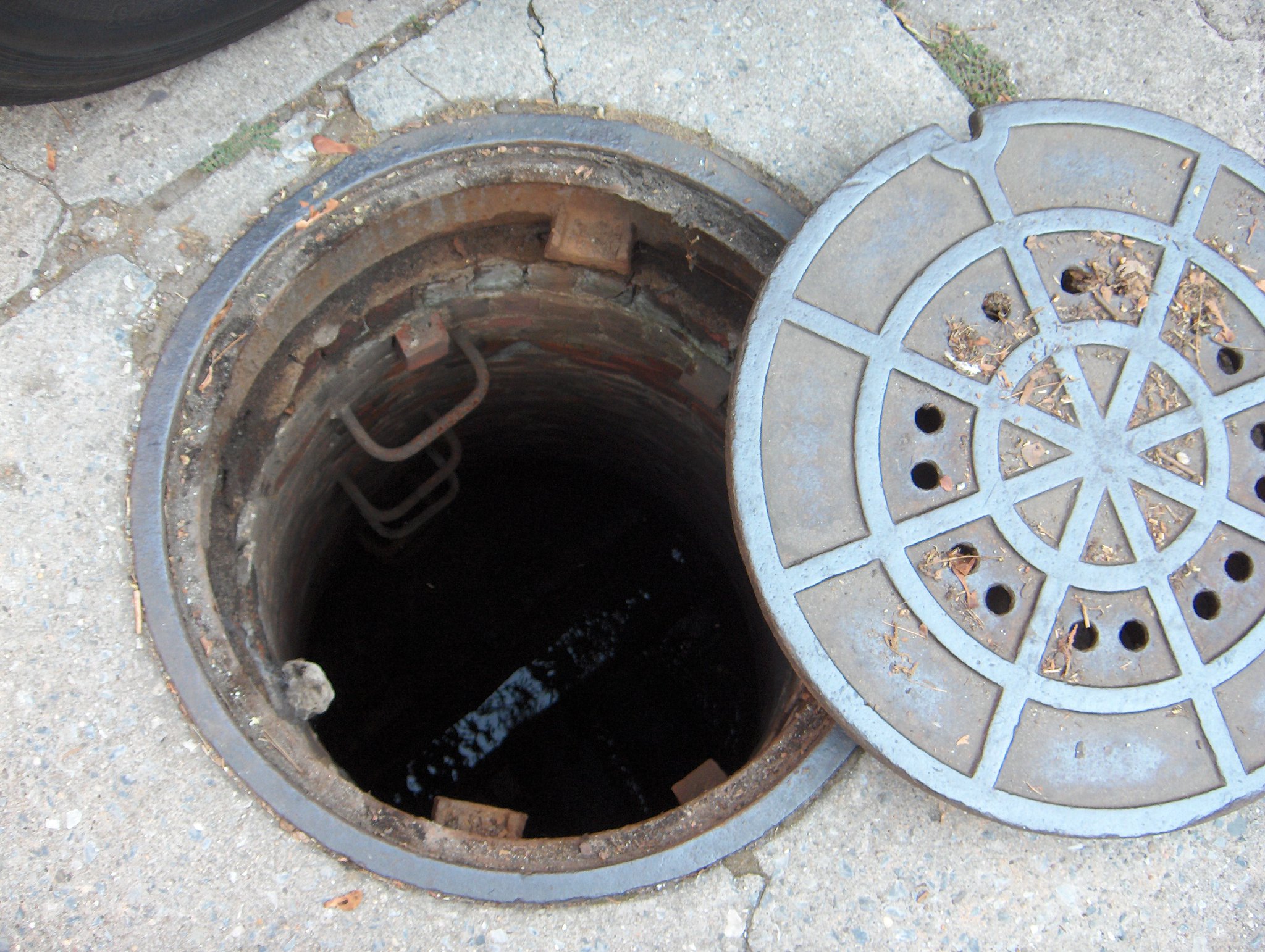
For the families, workers, and pedestrians who depend on safe streets every day, the issue is simple: no one should suffer catastrophic harm before a dangerous opening receives attention.
The open manholes New York City residents pass every day might look like ordinary street defects, until someone falls in, a car hits a displaced cover, or steam starts pouring out of an exposed utility opening. In a city built on miles of underground electric, sewer, water, gas, telecom, and steam infrastructure, these access points are a necessity.
But the real danger begins when a cover is missing, loose, damaged, sunken, or left unsecured. For pedestrians, delivery workers, cyclists, drivers, construction crews, and older adults, an open manhole isn’t just a minor inconvenience. It’s a hazard that can cause fractures, severe burns, spinal injuries, head trauma, or even fatal falls.
Yet, so many of these incidents go underreported because they happen in a flash, involve a tangled web of different agencies, or are treated as isolated accidents instead of warning signs of a much bigger infrastructure problem.
How Common Are Open Manhole Accidents in New York City?
The open manhole accidents that make the news represent only part of the problem. Many dangerous covers never become lawsuits, news stories, or formal injury reports. They appear first as complaints to 311, emergency calls, or maintenance records.
NYC 311 allows the public to report a missing, defective, noisy, steaming, sunken, raised, or damaged manhole cover through its Manhole Cover Complaint page. According to the portal, missing cover complaints may lead to Department of Environmental Protection inspection within four hours. That fast response standard shows how seriously the city treats a missing cover once it is reported.
The problem is that claims data depends on someone spotting the danger and taking action before an injury occurs. A pedestrian walking at night, a worker unloading goods or a driver turning in the middle of traffic may not have that warning.
The city’s Department of Buildings separately publishes construction-related accident reports, which track injuries and fatalities tied to construction activity. These reports help show how worksite-related street conditions can become public safety issues. Still, they do not capture every manhole incident across utility systems, sidewalks, roadways, and emergency repairs.
For broader context, recent data on manhole-related incidents in New York has raised questions about whether the city’s complaint-driven system is enough to identify dangerous covers before people are hurt.
Why Are NYC Manhole Complaints Increasing Every Year?
Manhole hazards for pedestrians in New York City stem from several causes. Aging infrastructure, constant street work, utility repairs, heavy truck traffic, weather, vibration, and cover design can all contribute to unsafe conditions.
A May 2026 ABC7NY / 7 On Your Side investigation reported that complaints about manhole covers were rising and that New York City did not have a formal routine inspection process for all covers.
The same report noted that there are close to 700,000 manhole covers in the city. That number matters because even a small percentage of loose or unsecured covers can create widespread risk across dense pedestrian areas.
City rules also recognize that covers must be controlled. Under 34 RCNY §2-07, underground street access covers, transformer vault covers, and gratings may be opened for certain subsurface work, but the rules impose responsibilities on the owners and permittees associated with that hardware.
The growth in complaints does not necessarily mean every street is more dangerous than before. It may also mean residents are more aware, reporting systems are more accessible, and recent high-profile injuries have pushed people to notice unsecured manhole dangers on NYC streets.
What Is a Composite Manhole Cover?
A composite manhole cover is made from materials other than traditional steel or cast iron. These covers can be lighter, non-conductive and easier for workers to move. In some environments, this can be useful, particularly where electrical conductivity is an issue.
The risk is that lighter covers may behave differently under traffic pressure, especially if they are not properly secured. A heavy steel cover can still become loose, cracked, or displaced, but weight itself can help keep it seated. A lighter composite cover may require stronger locking, fitting, or inspection practices to reduce displacement risk.
That does not mean composite covers are automatically unsafe. The issue is whether the cover is appropriate for the location, properly installed, regularly checked, and secured against the forces of buses, trucks, turning vehicles, snowplows, construction equipment, and constant vibration. In a dense city, even small installation errors can become dangerous when repeated pressure, weather changes, and emergency utility work affect the same cover over time.
Who Is Responsible When Someone Falls Into an Open Manhole?
Liability for a manhole accident in NYC can be complicated, because the cover may belong to a public agency, a private utility, a contractor, or another entity working under permit.
Depending on the location and the purpose of the opening, possible responsible parties may include Con Edison, the Department of Environmental Protection, the Department of Transportation, private contractors, subcontractors, telecom companies, building owners, or maintenance crews.
The city’s Administrative Code §10-118.1 addresses theft of manhole covers and imposes civil and criminal penalties for unlawful removal. That law reflects a basic public safety principle: a missing cover is not just missing property. It is a direct danger to the public.
The NYC Street Works Manual also sets procedures for emergency utility access cover openings and emergency street openings. It explains that emergency work involving a street opening or excavation requires a street opening permit and describes separate procedures for emergency work.
For injured people, one of the most difficult questions is not simply ‘Who owned the cover?’, but ‘Who had knowledge, control, or responsibility at the time?’. Previous claims, building permissions, inspection records, emergency repair records, contractors’ activities and CCTV footage may all be relevant factors.
Claims involving public entities may also require strict deadlines, including a Notice of Claim in many municipal cases. Because these injuries can involve several overlapping parties, some injured people review their options with legal professionals focused on infrastructure negligence in NYC before evidence disappears.
What Should You Do If You Encounter or Are Injured by an Open Manhole?
If you encounter an open or unstable manhole, the first priority is safety. Do not attempt to move the cover yourself, stand near steam, or direct traffic from a dangerous position. Move away, warn others if it is safe to do so, and report the condition.
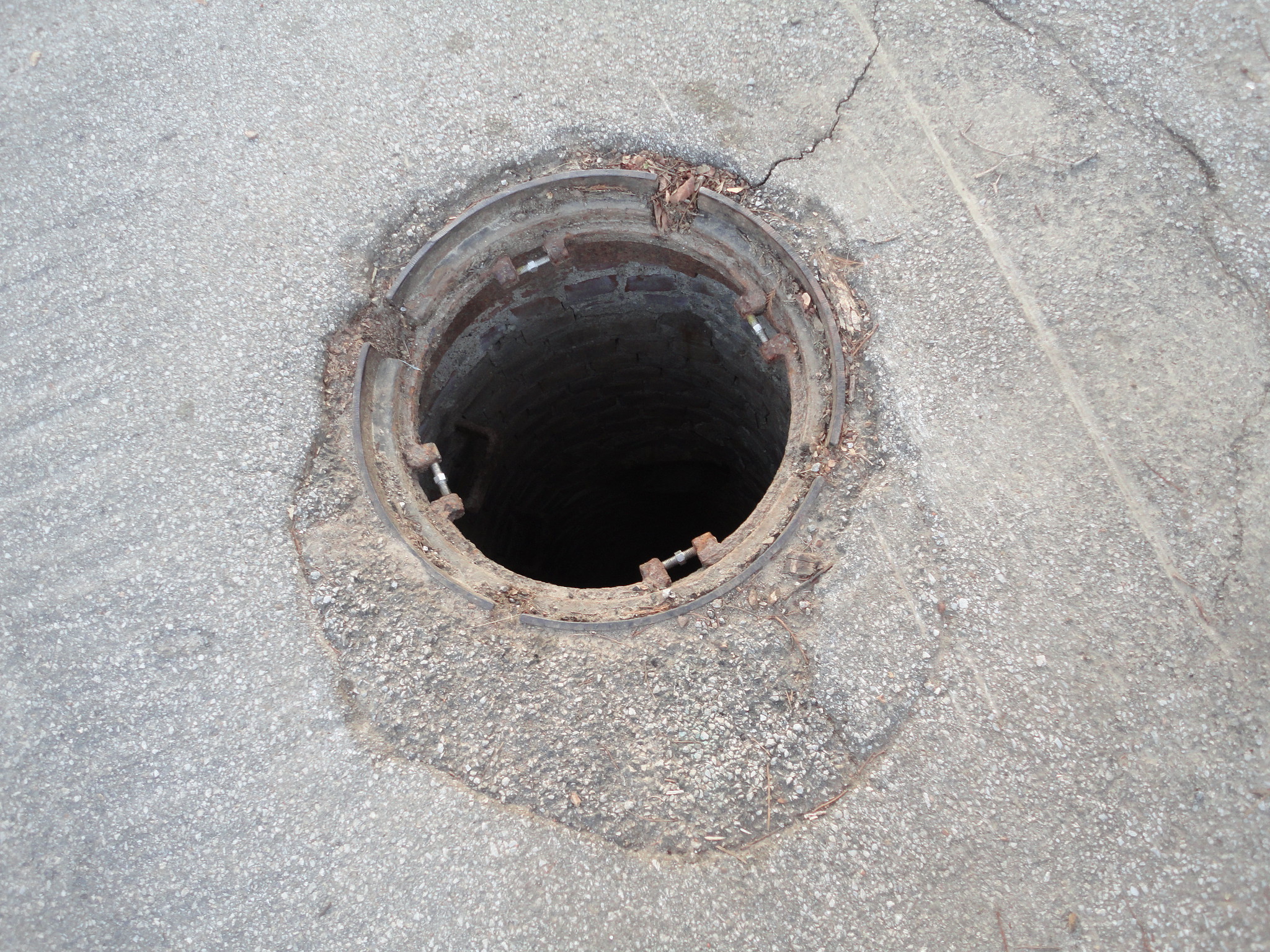
NYC 311 provides a direct way to report a missing or defective cover through its Manhole Cover Complaint portal. If there is an immediate emergency, injury, fire, gas odor, smoke, steam, or traffic danger, 911 may be appropriate.
If an injury has already happened, the next steps may affect both health and accountability:
- Seek medical attention as soon as possible, even if the injury seems manageable.
- Take photos or videos of the opening, cover, street signs, nearby buildings, cones, barriers, vehicles, and lighting conditions.
- Get witness names and contact information.
- Preserve shoes, clothing, delivery records, work logs, or vehicle dashcam footage.
- Write down the exact time, location, weather, and what happened before memories fade.
- Avoid assuming the first agency or company mentioned is the only responsible party.
Legal commentary on loose manhole covers and municipal liability also emphasizes why these cases can depend heavily on notice, ownership, and maintenance responsibility.
In real life, early documentation is often the difference between a clear investigation and a hazard that gets repaired before anyone can prove how it caused harm.
What Needs to Change to Make NYC Streets Safer
The manhole-cover injuries New Yorkers suffer should not be treated only as unpredictable accidents. They are also signals about inspection gaps, infrastructure pressure, and accountability challenges in one of the busiest street networks in the country.
The most important change is moving from a mostly reactive model to a more preventive one. Complaint systems are useful, but they depend on the public to identify hazards first. A routine inspection program for high-risk corridors, major utility zones, construction-heavy blocks, and areas with repeated complaints could help detect unstable covers before someone falls.
Rules such as 34 RCNY §2-07 already establish responsibilities for street access covers, but rules only protect people when they are enforced, documented, and matched with real-world inspection capacity. The ABC7NY investigation’s finding that there is no formal routine inspection process for all covers points to a systemic gap, not just a paperwork issue.
New York also needs clearer public reporting on open manhole accidents, stronger coordination among DOT, DEP, DOB, utilities, and contractors, and faster access to records after serious incidents. Public safety depends on knowing not only where a cover failed, but why it failed and whether similar covers nearby pose the same risk.
For the families, workers, and pedestrians who depend on safe streets every day, the issue is simple: no one should suffer catastrophic harm before a dangerous opening receives attention. The open manholes that New Yorkers report are warnings. The city’s challenge is to treat those warnings as prevention, not just response.
Join the conversation!