
When fault is genuinely in question, the facts win out over the louder story, as long as somebody takes the time to go find them.
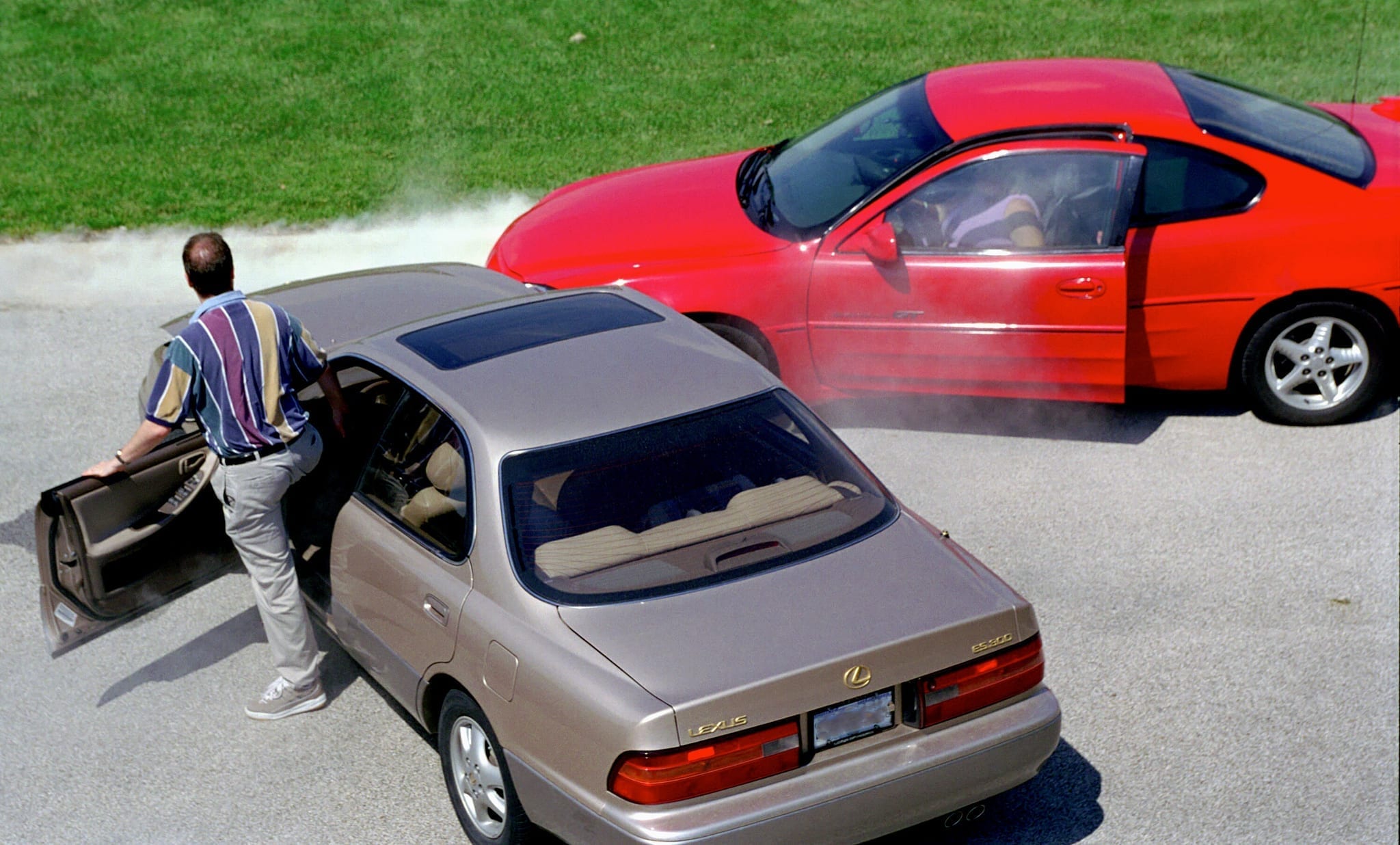
Two cars collide at an intersection in downtown Columbus. Both drivers are certain the light was green for them. There’s no dashcam, no red-light camera at that particular corner, and the one witness who might have seen it already drove off before anyone thought to get her number. This is the point where a lot of people assume the case is basically a coin flip. It isn’t, not really, and that’s the part most people don’t expect.
A disputed fault claim doesn’t get decided by whoever tells the better story to the adjuster. It gets decided by whoever shows up with better proof. That’s the whole game, and it’s worth walking through how a lawyer actually goes about building that proof, because the process looks a lot less dramatic than TV makes it seem.
1. Racing the Clock on Evidence
Most physical evidence from a crash has a shelf life, and it’s shorter than people assume. Skid marks get rained on. Cars get towed and repaired, sometimes within days. And here’s the one that trips people up most: a lot of gas stations, apartment complexes, and small businesses only keep their security footage for a week or two before the system automatically records over it.
So one of the first things a lawyer does isn’t glamorous at all. It’s making a list of every camera within sight of the crash and calling, emailing, or sending a formal letter asking that footage be preserved before it’s gone. Sometimes that means walking into a convenience store and just asking the manager directly. It sounds small. It’s not.
2. Finding the Witness Nobody Thought to Ask
Police reports are useful, but they’re often written in ten minutes at the scene, based on whoever happened to stick around. A lot of witnesses leave before an officer even arrives. Maybe they had somewhere to be, or maybe they just didn’t think it was their business to get involved.
A good lawyer treats that as a problem worth solving, not a dead end. That can mean going door to door at the shops nearby, asking whether anyone remembers seeing two vehicles at that corner around a specific time. It’s tedious. It also occasionally turns up exactly the person who can say, plainly and with nothing to gain either way, which car had the light.
3. Letting Physics Settle the Argument
When two people genuinely disagree and there’s no video, this is usually where an accident reconstruction expert gets involved. They look at where the damage landed on each vehicle, how far things traveled, road surface, weather that day, sometimes even the angle of a dented bumper.
It’s not foolproof, and it’s not cheap either, which is why it tends to get used on the cases where the stakes justify it. But when a reconstruction report says the physics of the crash only make sense one way, that carries a different kind of weight than two people arguing about who remembers what.
4. Pulling the Data the Car Already Recorded
Many drivers are surprised to learn that modern vehicles often record important information in the moments leading up to a collision. Event data recorders (EDRs), sometimes referred to as a vehicle’s “black box,” can capture details such as speed, braking, seatbelt use, and other key vehicle functions immediately before and during an impact. When available, this information can provide an objective picture of what happened.
Accessing and preserving this data requires the proper equipment, technical knowledge, and legal process, particularly when information must be obtained from another vehicle. An experienced car accident lawyer in Columbus understands how to secure this evidence before it is lost or overwritten and how to incorporate it into a broader investigation.
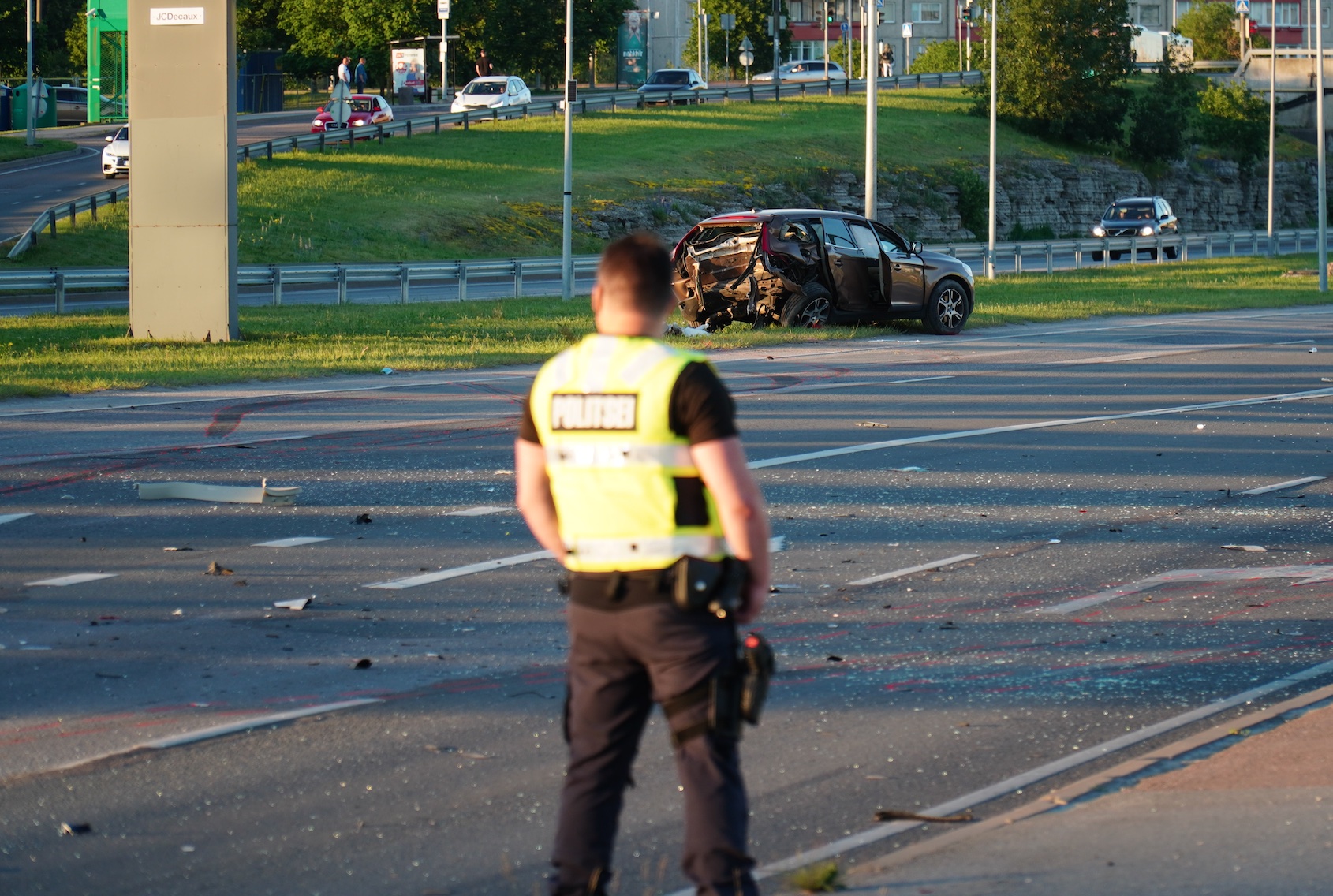
Combining vehicle data with other forms of evidence, such as witness statements, photographs, and accident reconstruction, can help create a clearer understanding of a collision. At The Stuckey Firm, this approach is used to help strengthen clients’ claims by presenting a more complete picture of the events during insurance negotiations or legal proceedings.
5. Pushing Back When the Insurer Points the Finger
Worth saying plainly: the insurance company is not on your side here, even when the person on the phone sounds friendly. If there’s any ambiguity at all about who caused the crash, don’t be surprised if the adjuster starts nudging some of the blame back toward your client. It’s not personal. It’s just cheaper for them.
NHTSA’s crash data shows that a meaningful share of reported collisions each year involve exactly this kind of situation, multiple vehicles or unclear intersections where fault isn’t obvious from the outset. That’s a big part of why lawyers build their file assuming they’ll need to argue against a counter-narrative, not just present their own version and hope it sticks.
6. Being Ready to Actually Go to Court
Truth is, most of these cases settle. Nobody particularly wants a trial, it’s slow and expensive for everyone involved. But there’s a real difference between a lawyer who’s bluffing about going to court and one who’s genuinely built the case to hold up in front of a jury.
Adjusters can tell the difference too, more often than people expect. A case file that’s clearly trial-ready tends to get better offers earlier, simply because the insurer knows dragging things out won’t scare anyone off. And filing deadlines are unforgiving here, miss the window in your state and a strong case can become a closed door overnight.
Final Thoughts
None of this is flashy work. It’s calling businesses about security footage, knocking on doors, requesting data nobody thinks to ask about. But that’s exactly what tends to separate a claim that goes nowhere from one that actually gets resolved fairly. When fault is genuinely in question, the facts win out over the louder story, as long as somebody takes the time to go find them.
Join the conversation!