
Addressing these risks requires a combination of improved infrastructure, stronger safety regulations, driver education, and awareness among all road users.
Agricultural transportation is a critical part of the food supply chain. Every day, thousands of trucks travel rural highways and farming corridors to move crops, livestock, fertilizers, and equipment between farms, storage facilities, and distribution centers. While these routes are essential for maintaining agricultural productivity and delivering food to markets, they also introduce unique risks for truck drivers, passenger vehicles, and rural communities. Understanding how agriculture routes influence truck traffic hazards can help policymakers, trucking companies, and drivers improve safety measures and reduce accidents.
The Importance of Agricultural Transportation Routes
Agriculture routes typically consist of rural highways, county roads, and farm access roads designed to connect agricultural operations with processing plants, warehouses, and major highways. These routes often serve regions where farming is the dominant industry, resulting in heavy truck traffic during harvest seasons.
In states with strong agricultural sectors—such as California, Iowa, and Nebraska—large trucks frequently transport produce, grains, dairy products, and farm supplies. These vehicles may travel long distances from rural farms to urban markets, increasing the likelihood of interactions between heavy commercial trucks and everyday commuter traffic.
Because agricultural transportation often occurs on roads not originally designed for heavy freight traffic, infrastructure limitations can create conditions that increase the risk of accidents.
Seasonal Traffic Surges in Farming Areas
One of the most significant safety concerns related to agriculture routes is the seasonal increase in truck traffic. During harvest periods, trucks operate continuously to move perishable goods quickly from fields to processing facilities.
These seasonal surges can lead to:
- Higher traffic volumes on rural roads
- Increased congestion near grain elevators and packing plants
- More interactions between farm equipment, trucks, and passenger vehicles
Drivers who are unfamiliar with rural farming regions may not anticipate the sudden appearance of large agricultural trucks or slow-moving equipment. As a result, collisions can occur when vehicles attempt to pass tractors or misjudge the speed of heavy trucks entering highways from farm roads.
Narrow Rural Roads and Limited Infrastructure
Many agriculture routes rely on narrow two-lane roads with limited shoulders and minimal lighting. These conditions make it more difficult for trucks to maneuver safely, especially when encountering oncoming traffic or navigating sharp curves.
Large agricultural trucks require significant space for turning, braking, and accelerating. On narrow rural roads, these limitations can create dangerous situations such as:
- Trucks drifting into opposing lanes while turning
- Reduced reaction time for sudden obstacles
- Limited space for drivers to avoid collisions
Infrastructure challenges are particularly problematic at intersections where rural roads connect to highways. Trucks carrying heavy agricultural loads may struggle to accelerate quickly, increasing the risk of crashes with faster-moving vehicles.
Interactions Between Farm Equipment and Commercial Trucks
Agricultural regions frequently feature slow-moving farm machinery traveling on the same roads as commercial trucks. Tractors, harvesters, and sprayers often move between fields using public roads, creating a mix of vehicles with vastly different speeds.
This difference in speed can cause several hazards:
- Drivers attempting risky passing maneuvers
- Limited visibility when large equipment blocks sightlines
- Unexpected stops or turns by agricultural machinery
When trucks carrying heavy loads encounter farm equipment, drivers must reduce speed and maintain safe following distances. However, impatient motorists sometimes attempt to pass both trucks and farm vehicles simultaneously, increasing the likelihood of multi-vehicle collisions.
Time-Sensitive Agricultural Deliveries
Agricultural trucking operations often operate under tight schedules. Fresh produce, dairy products, and livestock require timely transportation to prevent spoilage or financial losses. These time-sensitive deliveries can contribute to driver fatigue and pressure to meet deadlines.
When drivers feel compelled to maintain strict delivery schedules, they may take risks such as:
- Driving long hours without adequate rest
- Speeding to meet delivery windows
- Skipping necessary vehicle inspections
Regulations established by agencies like the Federal Motor Carrier Safety Administration help address these issues by enforcing hours-of-service rules and safety standards. Information about trucking regulations and safety initiatives can be found through resources such as the Federal Motor Carrier Safety Administration.
Visibility Challenges on Agricultural Roads
Another risk factor on agricultural routes is limited visibility. Rural roads often pass through fields, orchards, and rolling terrain that can obscure approaching vehicles. Dust from farm operations or unpaved roads can further reduce visibility for drivers.
Common visibility hazards include:
- Blind curves and hills
- Crops or trees blocking sightlines
- Dust clouds from tractors or harvesting equipment
For truck drivers operating large commercial vehicles, reduced visibility makes it more difficult to detect smaller passenger vehicles, motorcycles, or bicycles sharing the road.
Increased Weight and Cargo Stability Issues
Agricultural trucks frequently carry heavy or uneven loads, including grains, produce bins, livestock, or farming materials. Improperly secured cargo can shift during transit, affecting vehicle stability and increasing the risk of rollovers.
Weight distribution is especially important when trucks travel on rural roads with uneven surfaces or sharp turns. Overloaded vehicles place additional stress on braking systems and tires, which can lead to mechanical failures.
To reduce these risks, trucking companies must ensure that cargo is properly secured and that vehicles comply with weight regulations. Regular inspections and driver training are essential components of safe agricultural transportation.
Weather Conditions and Road Hazards
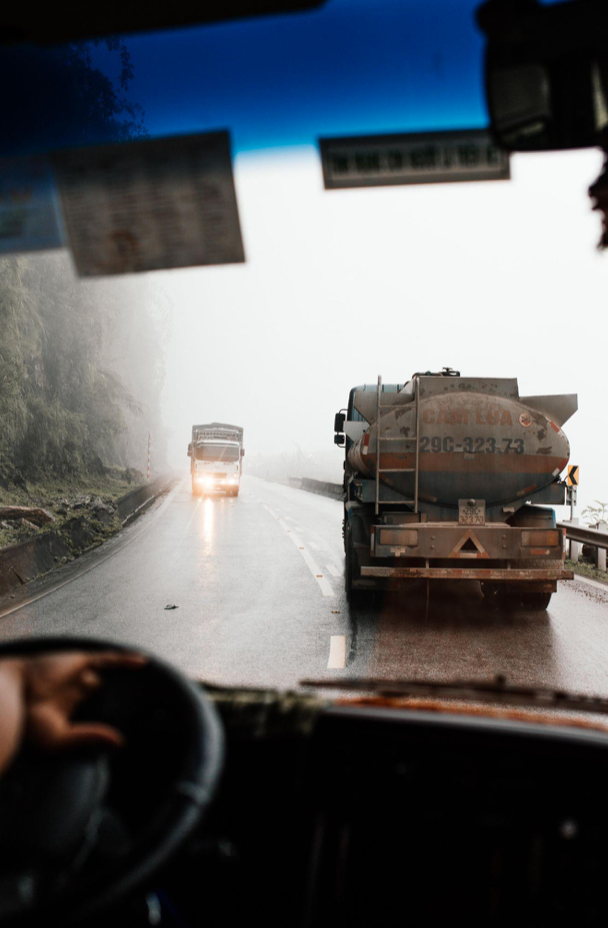
Weather conditions can significantly affect agricultural trucking routes. Rural roads may become slippery due to rain, irrigation runoff, or loose soil from nearby fields. In some areas, mud from farm vehicles entering roadways can create hazardous driving conditions.
Other weather-related risks include:
- Fog reducing visibility in rural valleys
- High winds affecting tall agricultural trucks
- Flooded roads near irrigation systems
These environmental factors require drivers to adjust their speed and driving techniques to maintain safe control of large vehicles.
The Role of Safety Regulations and Enforcement
Safety regulations play an important role in minimizing the risks associated with agricultural trucking. Federal and state agencies oversee vehicle inspections, driver qualifications, and operational guidelines to ensure trucking companies follow safe practices.
Legal professionals and safety advocates also help victims of truck accidents navigate complex liability issues when collisions occur. Information about experienced legal representation in truck accident cases can be found through professional profiles.
In situations where individuals are injured due to negligent trucking practices, legal guidance may help determine responsibility and pursue compensation. Firms such as Vaziri Law provide legal services for individuals affected by trucking accidents.
Strategies for Improving Safety on Agricultural Routes
Improving safety on agriculture routes requires cooperation between government agencies, trucking companies, farmers, and drivers. Several strategies can help reduce accident risks:
- Expanding rural road infrastructure to accommodate larger trucks
- Improving signage warning drivers of farm equipment and truck crossings
- Increasing driver education about rural road hazards
- Enhancing enforcement of trucking safety regulations
Technology also plays a role in improving safety. GPS systems designed for commercial trucking can help drivers avoid narrow or unsafe routes, while advanced driver assistance systems can reduce the likelihood of collisions.
Conclusion
Agricultural transportation routes are vital to the success of the farming industry and the broader economy. However, these routes present unique challenges that can increase truck traffic risks. Seasonal surges in freight activity, narrow rural roads, interactions with farm equipment, and time-sensitive deliveries all contribute to complex driving environments.
Addressing these risks requires a combination of improved infrastructure, stronger safety regulations, driver education, and awareness among all road users. By understanding how agricultural routes affect truck traffic hazards, communities and industry leaders can work together to create safer roadways while maintaining the efficient movement of agricultural goods.
Join the conversation!