
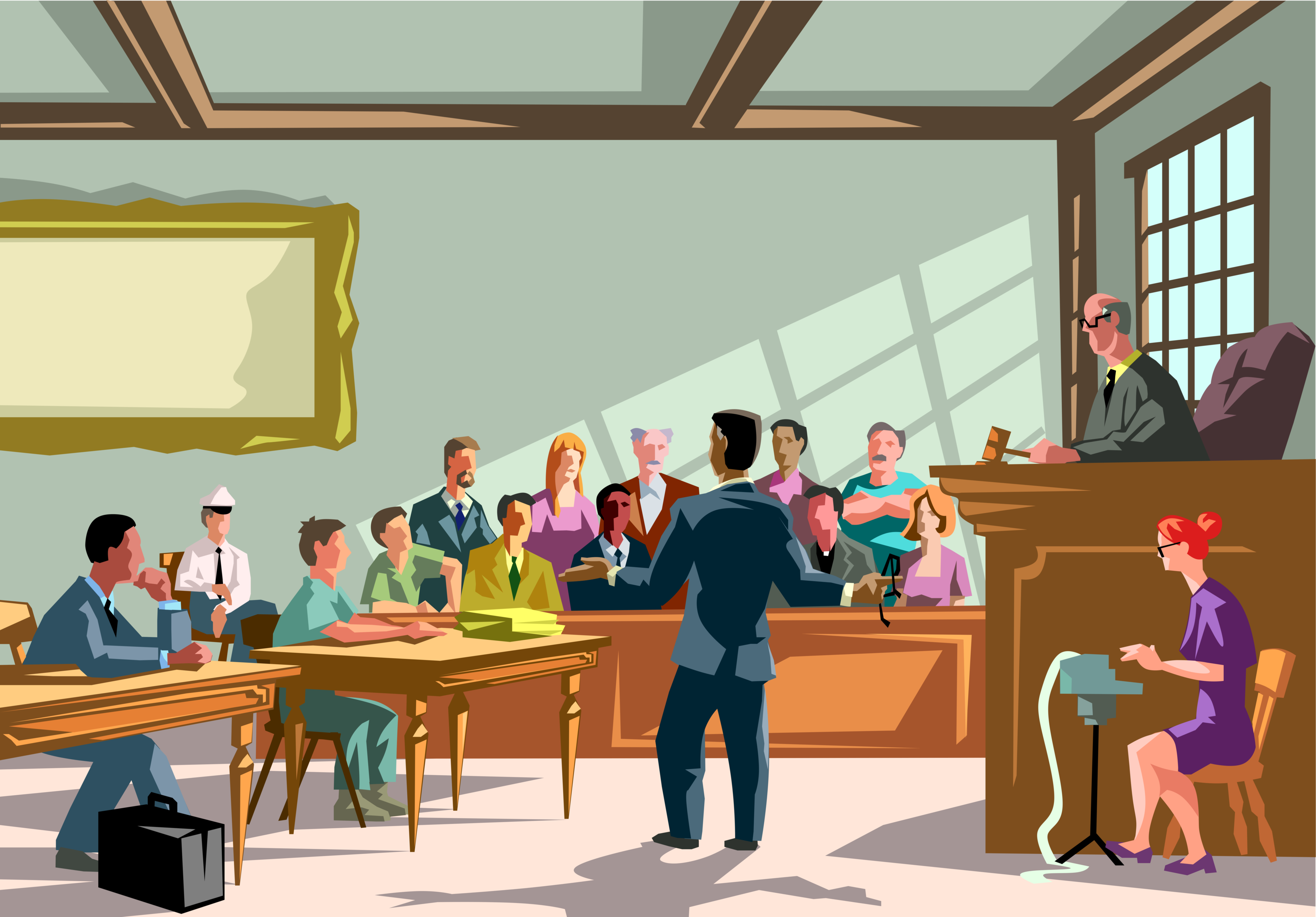
Defense attorneys employ experts in psychology, DNA analysis, or forensic science to scrutinize the presented evidence, revealing any flaws or biases.
According to the Community Violence Solutions website, someone in the United States is sexually assaulted every 68 seconds. That out of six American women, one has been raped or had a rape attempt made against her in her lifetime. This figure shows the dangers that women face in our society.
It is equally challenging for people accused of sexual assault. The evidence against them can strongly affect the outcome of the case they face.
But not all evidence is always reliable or fair. Attorneys often look closely at how the evidence was collected, whether it was handled properly, and if it truly supports the claims being made.
What does a defense lawyer do? And do they challenge the evidence in sexual assault charges?
Examining Witness Credibility
While in the courtroom, remember that witness credibility can have the power to either make or break a case. You want to examine very closely how the witnesses choose to lay out their stories. Are they steady in their testimonies, or do they seem to waver with pressure?
Then you also observe the same patterns in their gestures and tone. An impression of nervousness or doubt in a witness could have the jurors entertaining doubts. Examine the cast; their backgrounds may reveal biases or motives that affected their testimony.
One key role is to raise these issues to challenge the evidence being presented. With the help of your sexual assault defense attorney, you can be assured to have a fair judgment by challenging the credibility of the evidence against you. They will highlight any inconsistencies and safeguard your rights.
A strong case is built on facts and the trustworthy people who speak about them. A few insights from you could do so much to cast powerful light on the narrative.
Challenging Physical Evidence Collection
Even though physical evidence seems straightforward, its acquisition has grave issues in courts. You might wonder how they can dispute something so tangible without complicating the process.
Attorneys will always challenge the manner in which physical evidence was collected, usually pointing out an alleged breach of the regulations. This could include questions about the chain of custody of the evidence, contamination thereof, or even whether those engaged in the collection are qualified to do so.
Any improper handling or any defect in the process would go towards the destruction of the credibility of the evidence. Although these are advanced academic arguments from a layman’s perspective, the aim is just to strike the balance of justice.
Answering these questions, attorneys aim to safeguard the accused and seek the truth from all sides.
Investigating Potential Bias in Testimonies
Gathering physical evidence is but one facet of crime scene investigation; witness testimony can be fair or harsh and, therefore, can greatly affect the outcome of the case. You must carefully weigh testimonies against the backdrop of certain preconceived biases that may alter how a witness views the entirety of a situation.
Your best friends might be involved as opposing parties in the case, or there may be some form of preconception influencing the situation. In other words, some distortion can set in through exaggeration on a few points or by simply flat-out lying. You must consider the backgrounds and motives of those who will stand as witnesses.
Engaging in various perspectives might expose any hidden bias. Scrutinizing those assertions can greatly help you build your case against the real words of truth, where every voice counts and has to be listened to in the quest for justice.
Analyzing Forensic Evidence Procedures
While examining forensic evidence procedures, close attention must be paid to those collection and handling methods of crucial information. Evidence integrity depends on how they have been handled since collecting.
Check laboratory protocols. Were the samples collected by qualified persons? Were samples kept appropriately to avoid contamination? You must rigorously look into the chain of custody; any break will mar the evidence. Also, verify the analytical methods and techniques used in the laboratory.

Are they validated and broadly accepted? When you look into these things, you will better understand whether the evidence presented is credible and have a firm basis to fight for the case and in support of the parties seeking justice in these unforgivable circumstances.
Utilizing Expert Testimony to Discredit Evidence
The next aspect you need to consider when challenging the evidence is the expert testimonies. Defense attorneys employ experts in psychology, DNA analysis, or forensic science to scrutinize the presented evidence, revealing any flaws or biases.
These experts show inconsistencies with the evidence. They can discredit the testing methods or uncover the possibilities of contamination. They use scientific and logical argumentation so well that it creates reasonable doubt about the evidence in the minds of the jurors.
This strategy discredits the evidence and reinforces your case, thus making it a paramount consideration for your lawyer when selecting experts. Expert testimony can ultimately be instrumental in the efforts for justice and fairness in sexual assault cases.
Join the conversation!