
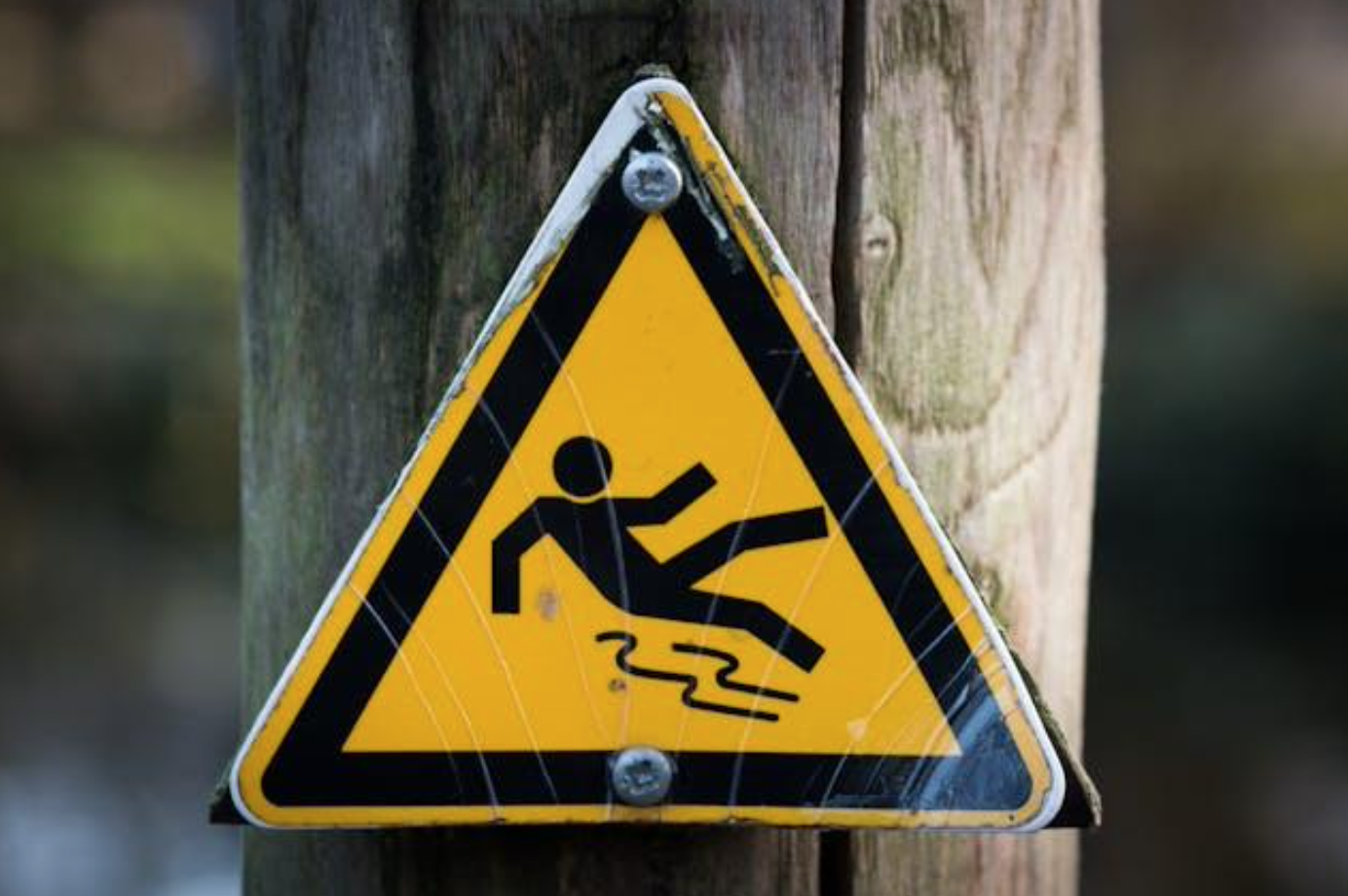
Slip and fall claims under premises liability law are far more legally involved than many people initially realize.
Slip and fall accidents are among the most common causes of serious injury in the United States, occurring in grocery stores, parking lots, restaurants, apartment complexes, and countless other properties every day. When someone is hurt due to a dangerous condition on another person’s property, the legal framework that governs their right to seek compensation is known as premises liability law. Understanding how these claims work, what must be proven, and what factors affect the outcome can help injured individuals make informed decisions about pursuing legal action.
What Is Premises Liability Law?
Premises liability is a branch of personal injury law that holds property owners and occupiers legally responsible for accidents and injuries that occur on their property due to unsafe conditions. The underlying principle is that property owners have a duty to maintain reasonably safe conditions for people who are lawfully present on their premises. When that duty is breached and someone is injured as a result, the property owner may be held financially liable for the victim’s damages.
Slip and fall accidents are one of the most frequently litigated categories of premises liability claims. As outlined in resources covering slip and fall law, these cases require a careful examination of the property conditions, the owner’s knowledge of the hazard, and the actions of the injured person at the time of the incident.
The Legal Duty of Care Owed to Visitors
Not all visitors to a property are treated equally under premises liability law. The duty of care owed by a property owner depends largely on the legal classification of the visitor.
Invitees
An invitee is someone who enters a property with the owner’s express or implied invitation, typically for a commercial purpose. Customers in a retail store, diners in a restaurant, and shoppers in a mall are all considered invitees. Property owners owe the highest duty of care to invitees, which includes regularly inspecting the property, identifying and correcting hazards, and warning visitors of any dangerous conditions that cannot be immediately fixed.
Licensees
A licensee is someone who enters a property with permission but for their own purposes rather than for the benefit of the owner, such as a social guest at a private home. Property owners must warn licensees of known hazards that the visitor would not reasonably discover on their own, but they are not obligated to conduct active inspections for unknown dangers.
Trespassers
A trespasser enters property without any permission or legal right to be there. In most cases, property owners owe little duty of care to trespassers, except that they cannot intentionally create dangerous conditions designed to harm them. An important exception involves child trespassers under the attractive nuisance doctrine, which holds property owners responsible for hazards that foreseeably attract children.
Establishing Liability in a Slip and Fall Case
Successfully pursuing a slip and fall claim requires proving several key legal elements. Simply falling on someone else’s property is not enough to establish liability. The injured party must demonstrate that the property owner’s negligence directly caused the accident and the resulting injuries.
Proving the Existence of a Hazardous Condition
The first element is establishing that a dangerous condition existed on the property at the time of the accident. Common hazardous conditions in slip and fall cases include wet or slippery floors, uneven pavement, broken stairs, poor lighting, loose carpeting, icy walkways, and debris in pedestrian areas. Photographic evidence, surveillance footage, incident reports, and witness testimony are all valuable in documenting the hazard.
Demonstrating the Owner’s Knowledge
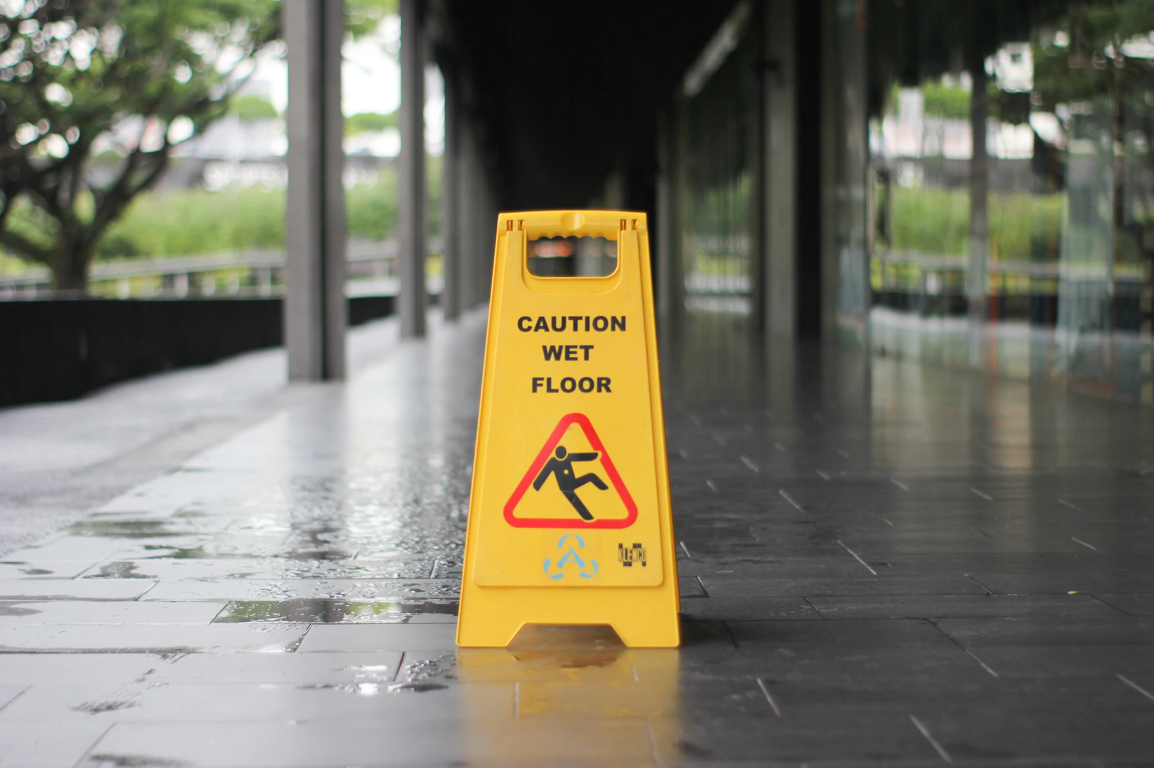
One of the most contested elements in a slip and fall case is proving that the property owner knew or should have known about the dangerous condition. Actual knowledge means the owner was directly aware of the hazard, such as an employee who saw a spill and failed to clean it up. Constructive knowledge, which is often harder to prove but more commonly at issue, means the hazard existed long enough that a reasonable owner exercising proper care should have discovered and addressed it.
Proving the Owner Failed to Act
Once knowledge is established, the injured party must show that the property owner failed to take reasonable steps to remedy the hazard or warn visitors about it. Reasonable steps might include placing wet floor signs, repairing damaged surfaces, improving lighting, or cordoning off dangerous areas. A failure to take any of these measures when a hazard was known or discoverable constitutes a breach of the duty of care.
Causation and Damages
The final elements require showing that the property owner’s negligence directly caused the accident and that the accident resulted in actual, measurable damages. Damages in slip and fall cases typically include medical expenses, lost wages, pain and suffering, and in serious cases involving permanent injury, long-term care costs and loss of earning capacity.
Comparative Fault and Its Effect on Compensation
Many states apply comparative fault rules to slip and fall claims, meaning the injured party’s own negligence can reduce or eliminate their compensation. If a court finds that a victim was partially responsible for their fall, perhaps because they were distracted by their phone or ignored a clearly posted warning sign, their damages award will be reduced by their percentage of fault. In states that follow a pure comparative fault system, a victim can recover damages even if they were mostly at fault. In modified comparative fault states, recovery is barred if the victim’s fault reaches a certain threshold, typically 50 or 51 percent.
The Role of an Attorney in Slip and Fall Cases
Premises liability claims involve detailed investigations, expert testimony, insurance negotiations, and complex legal arguments. Property owners and their insurance carriers are rarely eager to accept liability and typically employ aggressive defense strategies to minimize payouts. Having skilled legal representation significantly improves an injured person’s ability to gather evidence, navigate procedural requirements, and negotiate fair compensation. Galloway Jefcoat representation for slip and fall cases provides injured victims in Louisiana with dedicated advocacy focused on securing the full compensation they deserve.
Final Thoughts
Slip and fall claims under premises liability law are far more legally involved than many people initially realize. From establishing the property owner’s duty of care to proving knowledge of the hazard and overcoming comparative fault arguments, each step of the process requires careful preparation and legal knowledge. If you have been injured in a slip and fall accident, understanding your rights and acting promptly to preserve evidence can make all the difference in the outcome of your claim.
Join the conversation!