
Settlement resolves claims over false testing tied to Army uniforms.
In early February 2026, federal officials announced a $1.4 million settlement involving Insect Shield LLC, a North Carolina company, and the estate of one of its founders, Richard Lane. The agreement resolves claims that false information was given to the United States government in connection with contracts for Army uniforms. The case centers on whether required testing was properly done and honestly reported for clothing treated with an insect-repelling chemical used by soldiers.
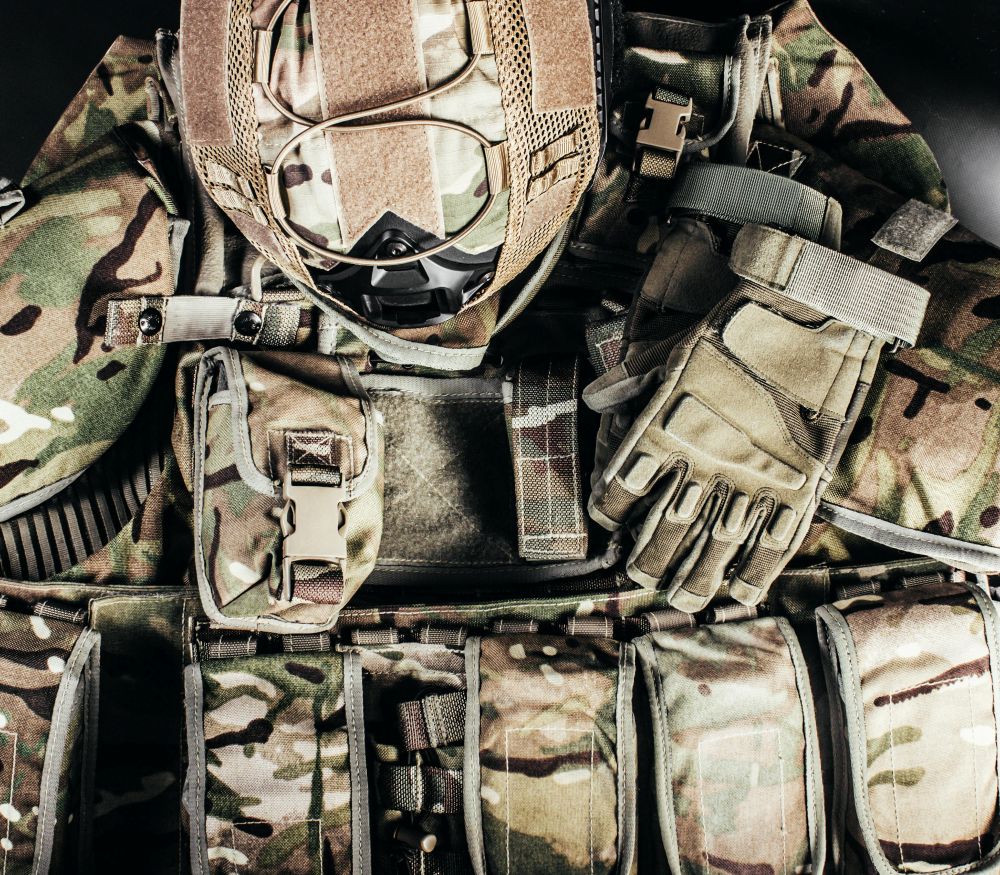
Insect Shield worked as a subcontractor for companies that produced Army Combat Uniforms. These uniforms were treated with permethrin, a chemical meant to protect soldiers from insects that can spread disease. Under government contracts, strict testing rules applied to confirm that the chemical was added correctly and at safe levels. According to the government, those rules were not followed for several years.
Federal prosecutors alleged that between 2015 and 2021, Insect Shield and Richard Lane caused false claims to be submitted to the Department of Defense. The claims involved test results tied to the permethrin treatment process. Investigators said that results from different test rounds were mixed together, which made it harder to tell when and how the uniforms were actually tested. Some test samples were relabeled in ways that hid where they came from, and additional tests were run beyond what the contracts allowed. Officials also alleged that test failures were kept from the government instead of being fully disclosed.

Richard Lane served as president and chief operating officer of Insect Shield until his death in December 2022. His estate was included in the settlement because of his role in the company during the period covered by the allegations. The settlement does not involve a court ruling on whether the claims are true, but it closes the civil case brought by the government.
The Justice Department said the outcome sends a clear message to companies that do business with the federal government. Contractors are expected to meet contract rules and provide honest data, especially when products are meant for military use. Officials stressed that testing is not a paperwork task but a safety step tied to the health and readiness of service members.
Federal investigators from several agencies worked together on the case. These included the Defense Criminal Investigative Service and the Army Criminal Investigation Division. According to those agencies, false testing records can weaken trust in the supply system and raise concerns about whether soldiers are getting equipment they can rely on in demanding conditions.
The lawsuit began as a whistleblower case under the False Claims Act. This law allows private individuals to file suit on behalf of the government when fraud involving public funds is suspected. If money is recovered, the whistleblower may receive a share. In this case, the person who brought the suit, identified as Ms. Downs, will receive $315,000 from the settlement.
The case was filed in federal court in the Middle District of North Carolina. After reviewing the claims, the government chose to step in and take over the case. Lawyers from the Justice Department’s Civil Division and the local U.S. Attorney’s Office handled the matter, with support from defense oversight and audit agencies.
Officials involved in the investigation said cases like this matter because they protect both taxpayers and service members. Government contracts often involve large sums of money and products that play a role in national defense. When testing rules are ignored or records are altered, the risks extend beyond financial loss.
The settlement closes the civil claims against Insect Shield and the Lane estate, but it does not include an admission of wrongdoing. As with many such agreements, the claims remain allegations, and no formal finding of liability was made. Still, the case adds to a growing list of enforcement actions tied to government contracting and product testing.
Federal authorities said they will continue to review contractor conduct and pursue cases where required standards are not met. The announcement reflects ongoing efforts to enforce the False Claims Act and maintain trust in government supply chains, particularly when the safety of soldiers is involved.
Sources:
Insect Shield LLC and Co-Founder’s Estate Agree to Pay $1.4M to Settle False Claims Act Allegations
Uniform Supplier Hit With 1.4m Settlement as Feds Target Alleged Testing Manipulation
Join the conversation!