
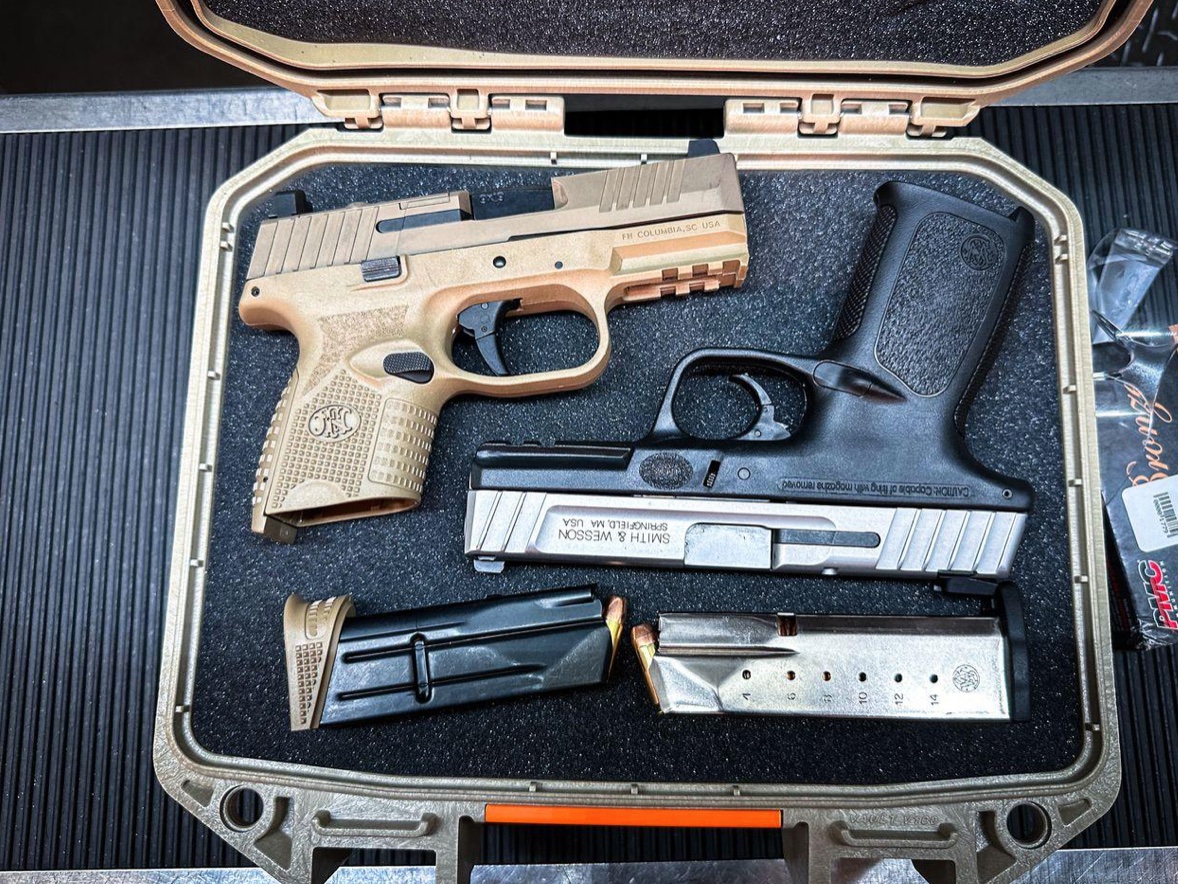
Interstate travel with a concealed carry permit requires more than a valid permit and good intentions.
A Pennsylvania woman stopped at a routine traffic checkpoint in New Jersey and was arrested. The charge was the unlawful possession of a weapon, even though she had a valid concealed carry permit in her home state. Her case became a flashpoint in the national debate over reciprocity. But the underlying legal trap she fell into remains as active as ever. For any gun owner considering interstate travel with a concealed carry permit, the gap between what feels legal and what actually is legal across state lines can be the difference between an uneventful road trip and a felony charge.
Does Your Permit Actually Work in Other States?
Reciprocity — the mutual recognition of carry permits between states — is not universal, automatic, or permanent. Each state decides independently which other states’ permits it will honor, and those agreements can change.
As of 2025, roughly 37 states have broad reciprocity with most other permit-issuing states, while others — particularly in the Northeast and West Coast — recognize only a narrow set or none at all. The range of permissiveness across the country is wide, as outlined in breakdowns of the most gun-friendly states. Knowing where your permit is valid before you cross a state line is the baseline requirement for legal carry anywhere outside your home state.
Even in states that recognize your permit, local rules still apply. Magazine capacity limits, prohibited locations, duty-to-inform requirements, and vehicle carry rules vary by state. Reciprocity means your permit is recognized, not that your home state’s carry rules travel with you.
What’s the Legal Difference Between Carrying and Transporting?
The distinction between carrying and transporting a firearm is one of the most legally consequential. It is also one of the most commonly misunderstood concepts in interstate gun law. Carrying means the firearm is on your person or immediately accessible, as in a holster or center console. Transporting means the firearm is unloaded, cased, and stored separately from ammunition. The legal treatment of each is entirely different, and carrying vs transporting a firearm legally involves a set of rules that shift dramatically.
This distinction matters especially when driving through states that don’t recognize your permit. If you’re transporting, federal law may protect you. If you’re carrying, you’re operating under the laws of whatever state you’re currently in, regardless of where you started.
What Federal Protections Exist for Traveling Gun Owners?
The Firearm Owners Protection Act of 1986 (FOPA) includes a provision, codified at 18 U.S.C. § 926A, that provides a safe harbor for gun owners traveling through states where they couldn’t otherwise legally possess a firearm. The protection applies only when all of the following conditions are met:
- Possession was lawful in the state where the journey began
- Possession will be lawful in the state where the journey ends
- The firearm is unloaded during transport
- The firearm is not directly accessible from the passenger compartment — or, if there is no separate compartment, it is in a locked container other than the glove box or console
- The travel is continuous, with only necessary stops
Critically, FOPA does not prevent arrest. State police can still detain a traveler. The protection is a defense in court, which means the legal and financial cost of asserting it can be enormous even if the traveler ultimately prevails. FOPA also only helps someone with legal permission to possess the firearm in the first place; federal rules on who is prohibited from owning a gun determine whether the protection is even available to you before any state-level analysis begins.
Which States Pose the Highest Legal Risk for Permit Holders?
New York, New Jersey, Massachusetts, California, Hawaii, and Maryland are consistently the highest-risk states for out-of-state permit holders. These states either do not recognize out-of-state permits at all, have strict requirements that a traveler’s permit is unlikely to satisfy, or apply local laws aggressively to visitors.
New Jersey is particularly well known for strict enforcement. Even FOPA-compliant transport has led to arrests. Similarly, gun charges in Texas show how quickly an unlawful carry charge escalates to felony territory — New Jersey’s penalties are at least as severe.
Does Federal Law Actually Protect You During a Stop?
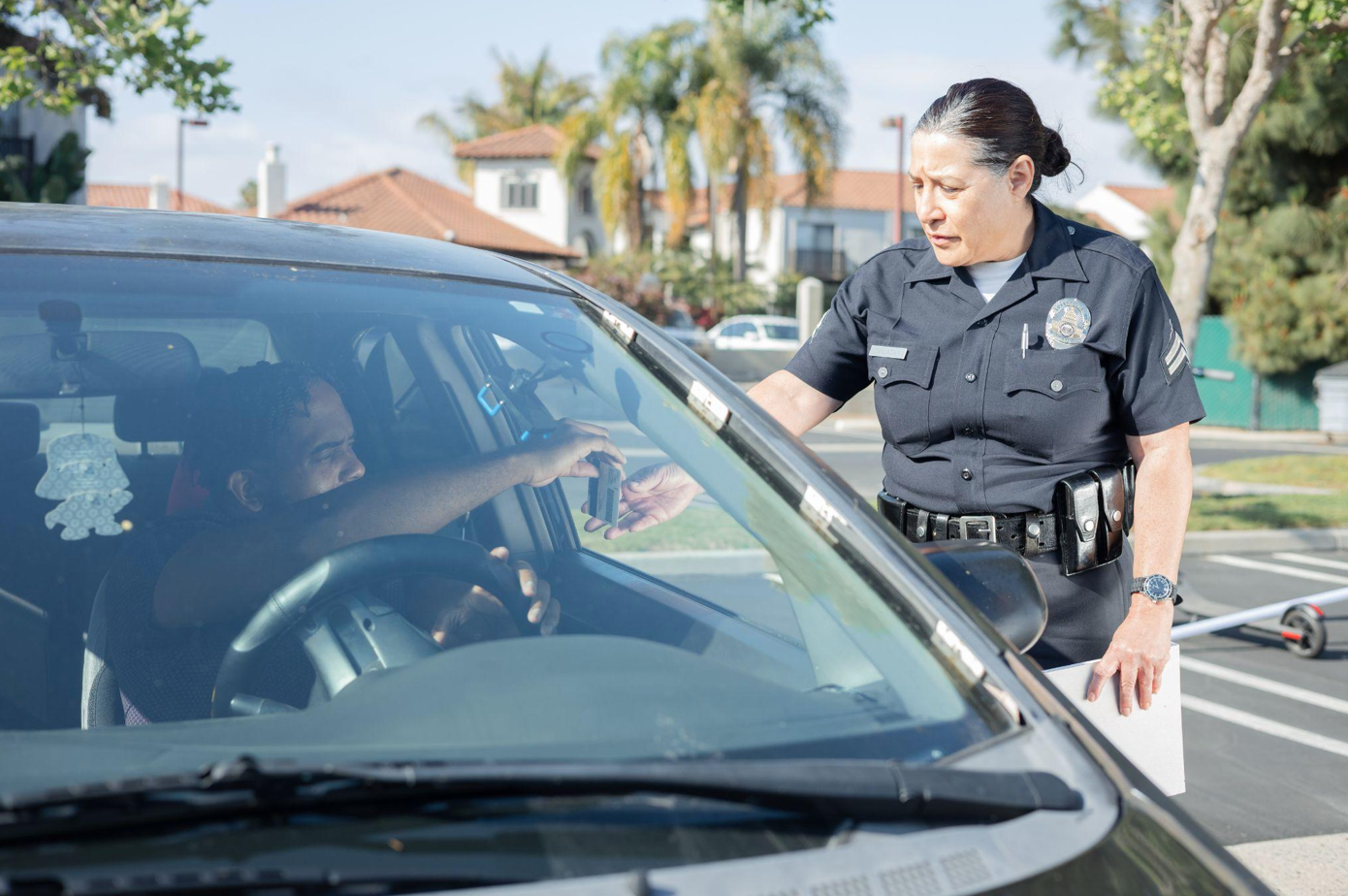
Not automatically. ATF guidance on interstate transportation of firearms confirms that federal law provides a transit framework but does not override state enforcement during a stop. An officer who believes someone hasn’t met the FOPA conditions can still make an arrest. The federal protection is a defense raised afterward, and the cost of raising it, even when successful, can be substantial.
What Questions Should You Ask Before You Leave?
Before you embark on any interstate travel with a concealed carry permit, work through a specific checklist:
- Does my permit have reciprocity in every state I’m driving through — not just my destination?
- Can I immediately switch from carry mode to transport mode when entering a non-reciprocal state?
- Do I have a hard-sided, lockable case and a separate lock for the ammunition?
- Does my vehicle have a true trunk or separate compartment, or will I need a locked container?
- Are there any prohibited locations along my route: school zones, government buildings, or rest stops in certain states?
- If stopped, do I know the duty-to-inform laws in each state I’m passing through?
New Jersey has specific transport requirements for firearms entering or passing through the state — one of the clearest state-level illustrations of how demanding compliance can be even when just passing through.
Know the Law Before You Load the Car
Interstate travel with a concealed carry permit requires more than a valid permit and good intentions. It requires knowing the exact legal status of your firearm at every point in the journey — which state you’re in, whether your permit is valid, and whether you’re carrying or transporting under the applicable definitions.
The safest approach for any multi-state trip is to research each state’s reciprocity status and transport rules in advance, switch to FOPA-compliant transport when entering non-reciprocal states, and consult a firearms attorney if you have any doubt about a specific route. A few hours of preparation before the trip is far less costly than navigating a weapons charge after it.
Sources:
https://www.cbsnews.com/newyork/news/n-j-senator-co-sponsors-gun-carry-bill-as-penn-woman-faces-mandatory-jail-time/
https://www.foxnews.com/us/christie-pardons-philadelphia-mom-who-was-arrested-after-bringing-gun-to-nj
https://www.concealedcoalition.com/new-jersey/state-acceptance
Join the conversation!