
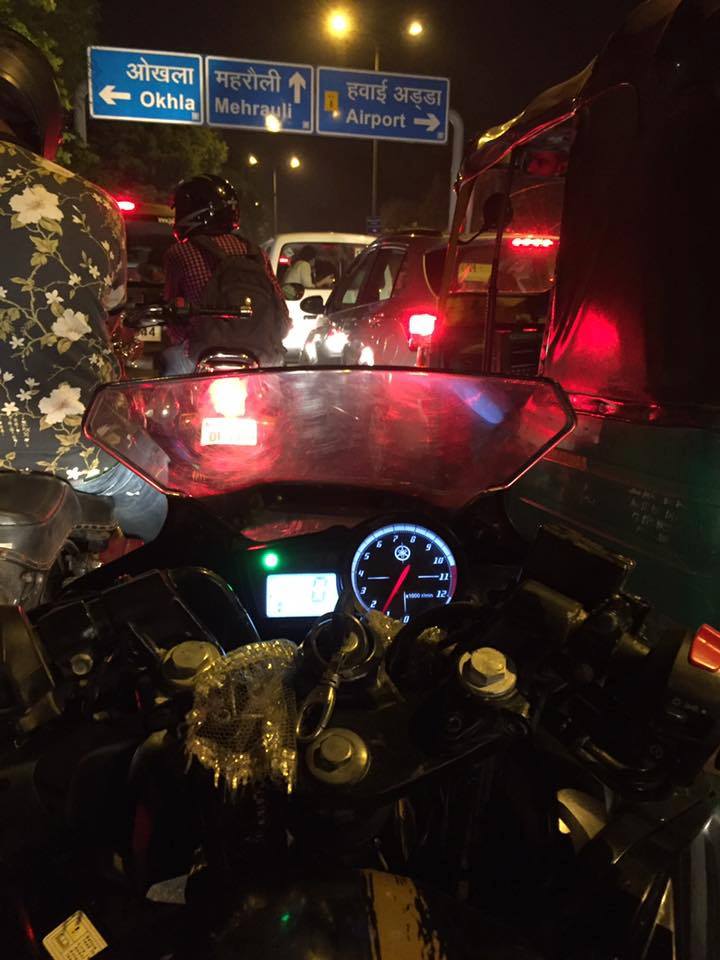
While it’s not inherently unsafe when done within CHP’s guidelines, confusion among drivers and misuse by some riders can create dangerous situations.
Motorcycles offer freedom, speed, and efficiency on California’s congested roads, but they also come with unique risks. One of the most debated practices in the state is lane splitting. Lane splitting is the act of riding a motorcycle between lanes of slow-moving or stopped traffic.
California is the only state in the U.S. where lane splitting is explicitly legal, though others have experimented with or considered it. With California standing alone, the question arises: Does making lane splitting legal for motorcyclists contribute to the state’s higher rate of accidents?
What Is Lane Splitting?
Lane splitting occurs when a motorcyclist rides between two lanes of vehicles traveling in the same direction. This maneuver is often seen on highways when traffic slows or stops. Supporters argue that lane splitting helps reduce congestion, lowers emissions, and prevents motorcyclists from being rear-ended in stop-and-go traffic.
In 2016, California officially recognized lane splitting as legal when Assembly Bill 51 was signed into law. The California Highway Patrol (CHP) later issued safety guidelines, advising riders to split lanes at no more than 10 miles per hour faster than surrounding traffic and only when traffic is moving at 30 mph or less.
Why Is California the Only State That Allows Lane Splitting?
California’s dense traffic and large population of motorcyclists played a big role in the decision. Riders were already lane splitting for decades, even before it became law. Instead of banning the practice, lawmakers and safety officials chose to regulate it, believing this would improve rider safety and create consistent rules for enforcement.
Other states have hesitated due to safety concerns and public perception. Many drivers are unfamiliar with lane splitting and view it as dangerous or reckless. As a result, legislators in other parts of the country have faced pushback when attempting to pass similar laws.
Is Lane Splitting Actually Dangerous?
The safety debate is complex. Some argue that lane splitting increases the risk of collisions, especially when drivers don’t expect a motorcycle to appear between lanes. A sudden lane change or an open car door can spell disaster for a rider.
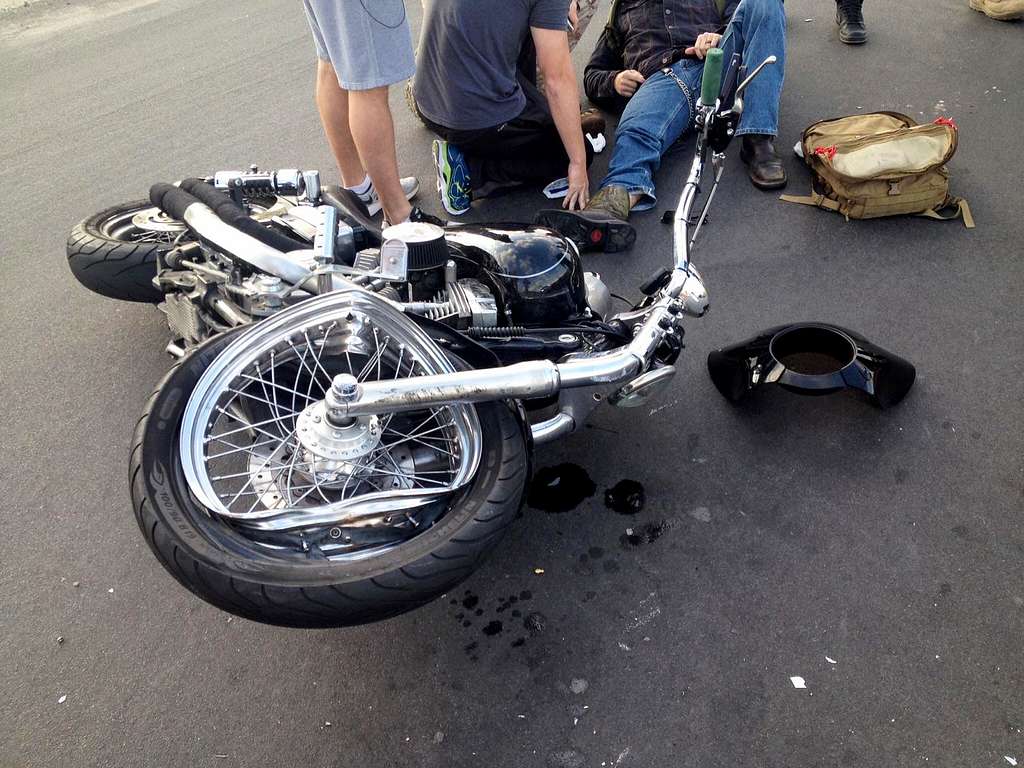
On the other hand, supporters point to studies suggesting that lane splitting at low speeds can reduce the likelihood of rear-end accidents, which are among the most common motorcycle crashes in traffic. In fact, the UC Berkeley Safe Transportation Research and Education Center found that motorcyclists who lane split responsibly were less likely to suffer head injuries or fatal outcomes compared to those who did not.
So, is lane splitting dangerous? The answer may depend less on the practice itself and more on how responsibly it is performed and how aware drivers are.
Could Lane Splitting Be a Factor in California’s Motorcycle Accident Rates?
California consistently reports high numbers of motorcycle accidents and fatalities compared to other states. But it’s important to remember that California also has the largest number of registered motorcycles in the country, along with one of the heaviest traffic volumes. These factors alone contribute to more crashes overall.
Lane splitting could add to the risk when riders ignore CHP safety guidelines. For instance, weaving between cars at high speeds or in poor weather conditions drastically increases the chance of an accident. Similarly, drivers who are unfamiliar with the practice may not check their mirrors before changing lanes, putting both themselves and motorcyclists in danger.
While it’s difficult to prove that lane splitting is the primary cause of California’s higher accident numbers, it’s fair to say that it plays a role in shaping the unique risks riders face here.
Protecting Yourself as a Rider
Whether you support lane splitting or not, safety should always come first. Motorcyclists can lower their risk of being involved in a collision by:
- Following CHP’s lane splitting guidelines
- Avoiding lane splitting at high speeds or in heavy weather
- Wearing high-visibility clothing and DOT-approved helmets
- Staying alert to driver blind spots and sudden movements
For drivers, awareness is just as important. Checking mirrors regularly, signaling lane changes, and respecting motorcyclists’ right to share the road can prevent accidents.
What to Do If You’re Hurt in a Motorcycle Accident
Even the most cautious riders can’t control the actions of other drivers. If you’ve been injured in a motorcycle accident, whether lane splitting was a factor or not, speaking with a motorcycle accident lawyer in Roseville, CA, can make a huge difference in protecting your rights.
A skilled attorney can investigate the circumstances of the crash, determine liability, and fight for compensation to cover medical bills, lost wages, and pain and suffering.
Should You Participate in Lane Splitting?
Lane splitting is one of California’s most controversial traffic laws. While it’s not inherently unsafe when done within CHP’s guidelines, confusion among drivers and misuse by some riders can create dangerous situations.
As long as California remains the only state where lane splitting is legal, the debate over whether it contributes to the state’s high motorcycle accident rates will continue. What’s certain is that education, awareness, and legal support are all crucial in keeping riders safe and helping them recover after serious crashes.
Join the conversation!