
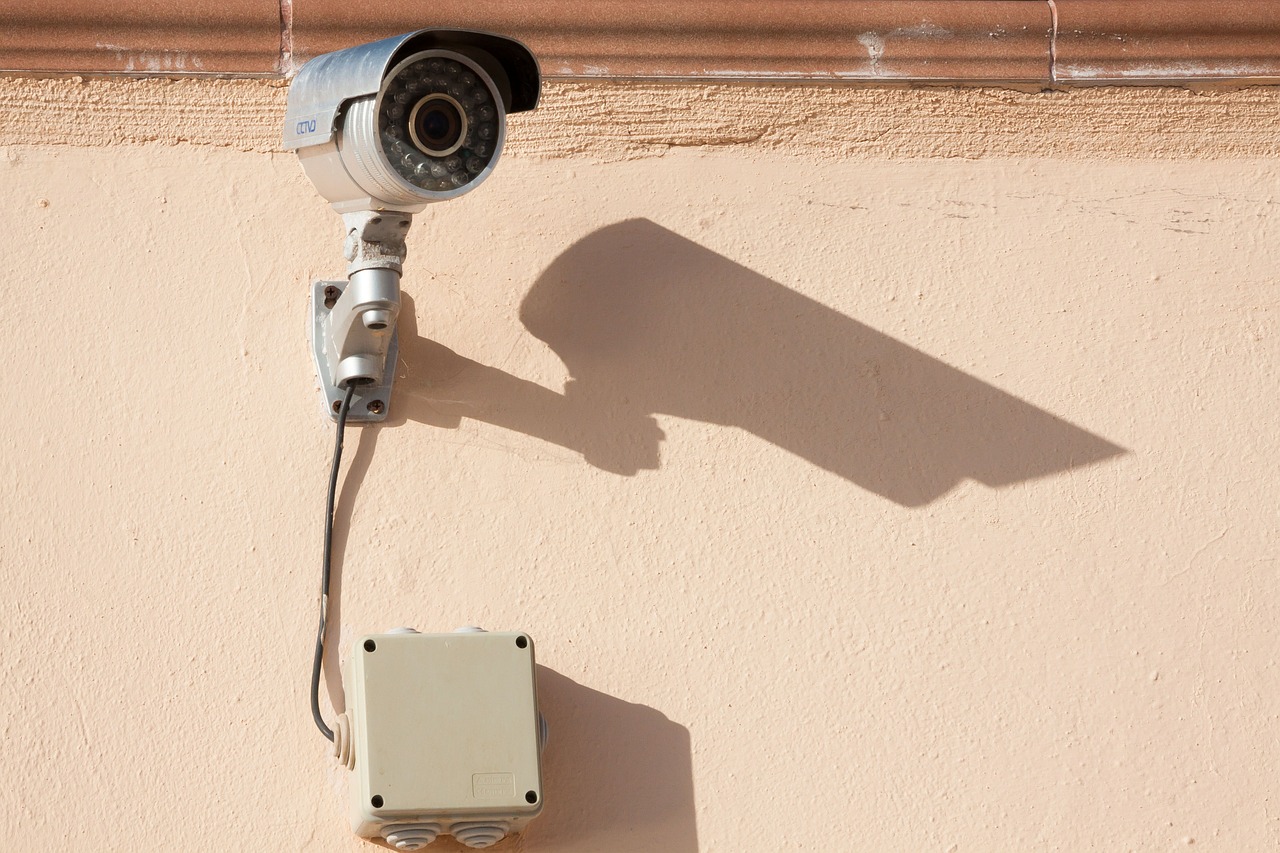
A Virginia man has filed a lawsuit against the City of Norfolk and its police chief, seeking information on why, and how often, local traffic cameras track residents’ vehicles.
According to NBC News, the lawsuit was filed on behalf of Lee Schmidt, a retired veteran, along with at least one other individual co-plaintiff and a legal nonprofit organization. Schmidt has already received a preliminary answer, at least when it comes to his own vehicle: between February 19 and July 2 of this year, 176 cameras across the city logged his location 526 times.
“It’s a crazy high number,” Schmidt told NBC News. “It was shocking. The creepiness level just went straight up.”
The cameras, notes NBC, are operated by a company called Flock Safety.
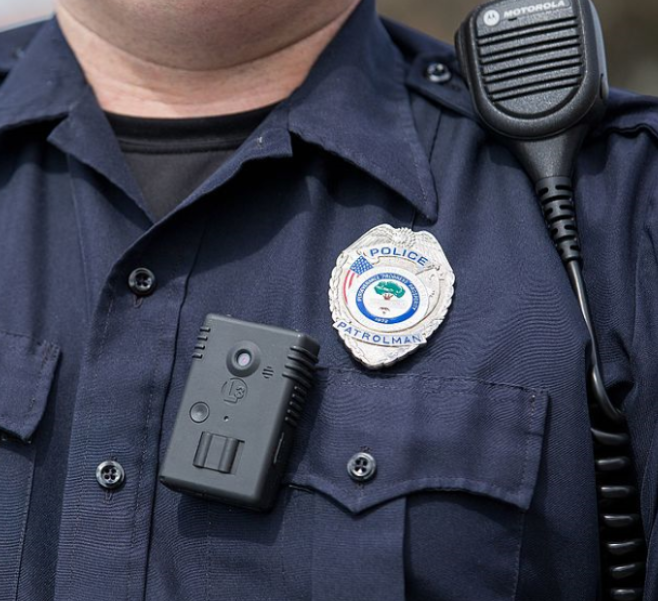
On its website and in marketing materials, Flock Safety bills itself as “the largest public-private safety network” in the United States. It sells a wide range of surveillance devices, including surveillance cameras, police officer-worn body-cameras, gunshot detectors, and drones. Many of Flock’s products generate and store data for analysis.
NBC News notes that Flock is a relatively new entrant to the automatic license plate reader, or ALPR, market. However, since introducing its own ALPRs on a subscription-style model, license plate readers have become one of the company’s biggest sellers.
Flock, as a company, maintains that its products are entirely legal.
“Fourth Amendment case law overwhelmingly shows that [license plate readers] do not constitute a warrantless search because they take point-in-time photos of cars in public and cannot continuously track the movements of any individual,” a Flock spokesperson said in a statement.
Schmidt and his co-plaintiff, fellow Norfolk resident Crystal Arrington, are represented by attorneys from the non-profit Institute for Justice. In a case summary on the Institute’s website, both plaintiffs are described as “ordinary people” with ordinary routines, which involve regular travel to work, church, grocery stores, and their children’s schools.
Although publicly-available details on the case do not indicate that either Schmidt or Arrington believe they are being singled out for surveillance, products like Flock’s license plate readers are often used to log and store information that could later become relevant if a crime is committed within a certain area.
The Institute for Justice alleges that the use of ALPRs, and similar equipment, effectively creates an inescapable “surveillance state.”
“[T]he Fourth Amendment doesn’t allow the government to set up a surveillance state,” the Institute for Justice says on its website. “If the city wants to track suspicious people, it can do what the police have always done: get a warrant. What the city can’t do, though, is watch ordinary people everywhere they go and create a record of their lives without any judicial oversight. Lee and Crystal, with help from the Institute for Justice, are suing to make sure of that.”
Sources
Norfolk, VA Camera Surveillance
Police cameras tracked one driver 526 times in four months, lawsuit says
Join the conversation!