
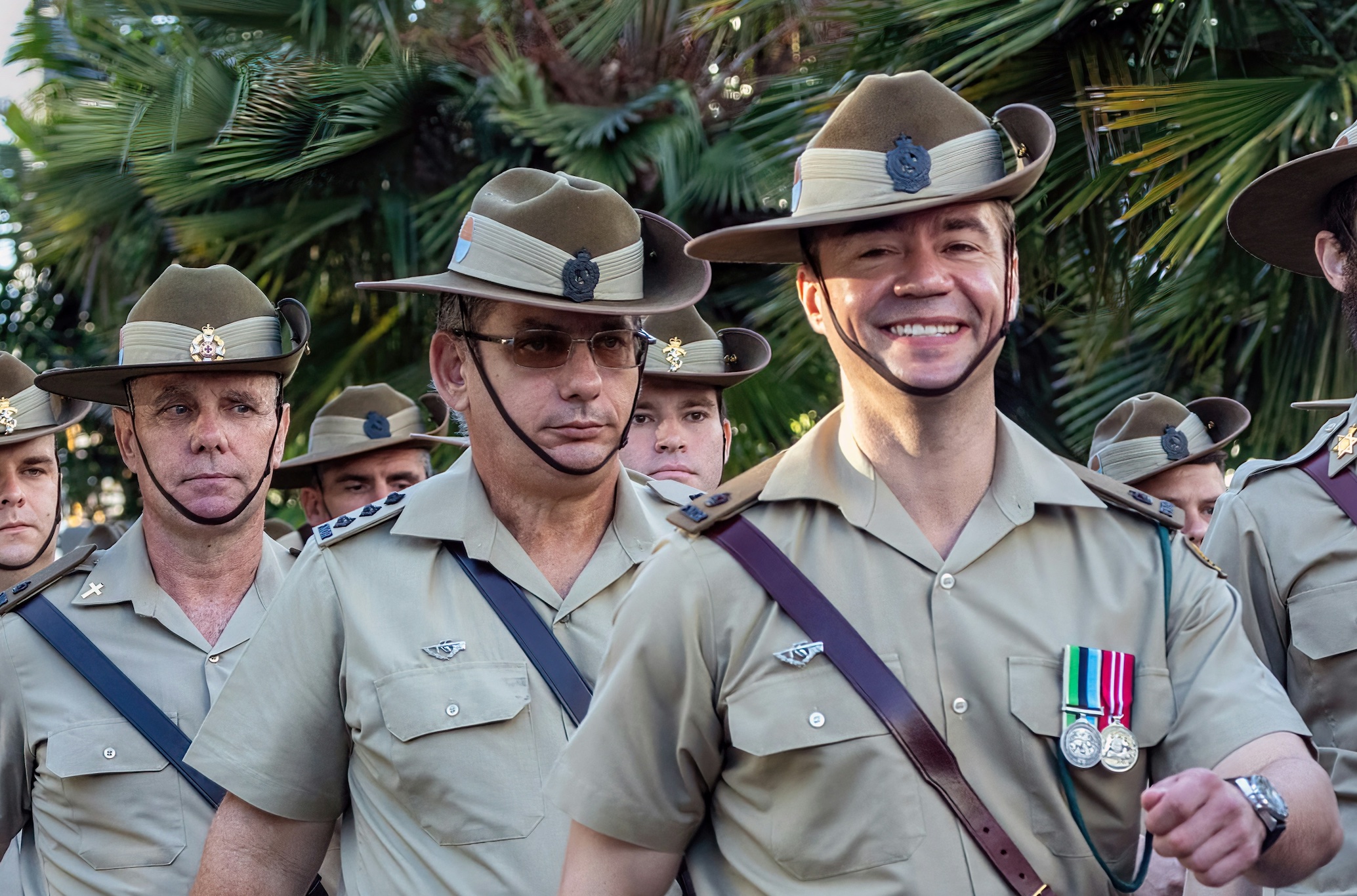
If politicians are prepared to make broad legal reforms, veterans will have open access to opportunities to showcase their potential and transition from military to civilian life with ease.
Service in the Australian Defence Force (ADF) offers a diversity of skills for members, and the shift from military life back to civilian life can be challenging when it comes to securing employment. It’s one thing to reel off your role and skills to someone who has served, but it’s difficult to articulate how those skills transfer to the civilian world to people who don’t understand the terminology and lingo.
In addition to the emotional and logistical aspects of leaving military life behind, many veterans face legal issues around access to education, accreditation, and licensing. We’re going to explore some of those barriers and the initiatives designed to help you navigate them.
Military Skills Recognition & Qualifications
Perhaps the biggest legal barrier is skills recognition. The majority of military roles don’t easily translate into civilian qualifications. You may read a job description and have all the necessary skills to succeed, but as a logistics officer, ADF medic, or IT technician, you might not have the necessary certifications to enter those jobs in the civilian world. That leaves you with the headache of retraining.
Ultimately, the strict accreditation framework around health sector standards and trade licensing presents a unique challenge for veterans. The lack of national consistency in recognising certain roles delays the transition from military to civilian life and interrupts income opportunities.
Navigating Licensing and Certification Obstacles
If your skills lie in security, transport, electrical, or plumbing, then legal licensing is a mandatory step. Even though you may be highly trained, you still need to either pass civilian licensing tests or the state’s criteria before you can operate in your chosen industry.
Unfortunately, there are different rules in New South Wales than in Victoria and Queensland, and that can be challenging if you’re moving interstate. You need to ensure you’re looking at the correct scheme and accept that there isn’t much formal recognition for the skills you learned in the military. One of the most frustrating considerations to deal with is that, in some cases, you may be legally barred from picking up a role that you can perform. This is a common issue in security services.
Employment Discrimination and the Legal Frameworks
While veterans have protections under the Australian Human Rights Commission Act and the Fair Work Act, this only prohibits employers from discriminating against you because you served. That doesn’t mean they will recognise your qualifications.
You will still need to deal with that barrier, and you may face additional barriers from employers who don’t understand your experience or who aren’t empathetic to someone with PTSD. While employers can’t discriminate, they may look for legal grey areas to avoid hiring a veteran to avoid what they see as a risk. This is why it’s so important for Australian politicians to put clear enforcement in place and increase awareness around veterans’ employment rights.
The Legal Pathway to Upskilling: Education Access
The issue many veterans face is a lack of standard entry qualifications to gain the formal education they need for a seamless transition. This is where a tailored legal access route comes in, and programs like the Veteran Pathways program at CSU can help ease the transition by providing tailored entry routes into tertiary education that recognise military service as valid preparation for academic success.

Initiatives like the Veteran Pathways remove those administrative and legal barriers to facilitate enrolment for the training veterans need to return to civilian life. There are also veteran-specific financial support options and HELP/HECS access.
The Reform and What’s Still Lacking
The government has been making an effort to ease the process for veterans returning to civilian life, with initiatives like the Department of Veterans’ Affairs support and the Defence Force Transition Program. However, there are still challenges to overcome. We don’t have national skills recognition consistency, and our legal frameworks aren’t evolving quickly enough to address veteran needs.
The first step to resolving these issues would be national recognition of military credentials, simplifying the licensing process, and providing veterans with more entry pathways into regulated professions.
Military service equips those who serve with a host of soft and hard skills and while employers may recognise the resilience and leadership a veteran brings, they may not recognise their technical expertise. Whether you’re navigating licensing problems or education entry, there are options available to you while the legal system tries to catch up to the realities of service-to-civilian transitions.
CSU’s Veterans Pathway is an important opportunity. If politicians are prepared to make broad legal reforms, veterans will have open access to opportunities to showcase their potential and transition from military to civilian life with ease.
Join the conversation!