

By combining innovation with accountability, orthodontic practices set a sustainable model for safe, effective, and legally responsible care.
Orthodontic care has evolved to offer patients safer, more comfortable, and efficient treatment options. Invisalign has emerged as a popular alternative to traditional braces, providing clear and removable aligners. With these innovations comes the responsibility to uphold legal and ethical standards. Orthodontists must ensure that patients are fully informed, consent forms are accurate, and treatment protocols meet professional and regulatory expectations.
These responsibilities extend beyond routine care. Patients trust orthodontists not only with their dental health but also with their rights and personal information. Record-keeping, clear communication, and adherence to regulatory guidelines help safeguard both patients and professionals. By integrating legal awareness into daily practice, orthodontists create an environment that balances innovation with accountability, demonstrating the value of professional responsibility.
Legal considerations also extend to oversight of patient treatment plans. Monitoring progress carefully and addressing any deviations ensures that orthodontic care meets expected standards. By maintaining meticulous attention to detail, orthodontists uphold both safety and legal compliance, reinforcing the trust that patients place in their care.
Invisalign and the Positive Role of Orthodontists
Invisalign offers an approach to teeth alignment that prioritizes comfort, aesthetics, and convenience. Patients benefit from removable aligners, easier oral hygiene, and fewer office visits compared to traditional braces. Orthodontists play a central role in monitoring treatment progress, adjusting aligners, and ensuring outcomes align with patient goals. Their guidance ensures the technology is used effectively and safely.
According to www.vipsmilesortho.com, the benefits of Invisalign go beyond cosmetic improvements. Patients experience better oral health, increased confidence, and smoother treatment journeys. Orthodontists contribute to these outcomes by providing personalized care and maintaining ethical standards. They educate patients about treatment expectations, monitor progress carefully, and reinforce the importance of compliance, highlighting the positive intersection of modern technology and professional responsibility.
Orthodontists also serve as advocates for patient safety and informed decision-making. They explain the legal and practical considerations of treatment, including consent, privacy, and potential risks. By doing so, patients understand their rights and the professional obligations of their providers. This approach builds trust and ensures that modern orthodontic treatments are both effective and responsibly managed.
Protecting Patient Rights and Data
Patient rights form a core part of orthodontic practice. Consent, confidentiality, and transparency are essential to ethical care. Orthodontists must ensure that patients understand the procedures, potential risks, and expected outcomes of treatments like Invisalign. Proper documentation and clear communication create a foundation for trust and reduce the risk of misunderstandings or legal disputes.
Confidentiality is a critical component of care. Patient records contain sensitive personal and medical information, and proper management of this data is both an ethical and legal requirement. Orthodontic practices that maintain rigorous data protection measures demonstrate professionalism and respect for their patients, ensuring that treatment occurs in a secure and accountable environment.
Legal considerations also affect how orthodontists respond to treatment concerns or complications. Clear protocols, documented communication, and attention to regulatory guidelines help manage potential disputes. By prioritizing patient rights, practices ensure that treatment decisions are both informed and protected under the law, creating an environment of confidence for both patients and professionals.
Operational Benefits of Legal Compliance
Compliance with legal and professional standards enhances operational efficiency. Accurate record-keeping, adherence to treatment protocols, and transparent patient communication minimize the likelihood of disputes and insurance complications. These practices reduce administrative challenges and reinforce a reputation for reliability and professionalism.
Operational efficiency also supports patient outcomes. Well-organized workflows, systematic monitoring, and structured record management allow orthodontists to provide consistent care. Predictive planning and proper documentation reduce errors and delays, improving overall satisfaction. Legal compliance becomes not just a requirement but a framework for delivering better, safer, and more reliable treatment.
Integrating legal awareness with clinical expertise allows orthodontists to handle complex situations effectively. Issues such as treatment adjustments, insurance questions, or consent concerns are resolved with clarity and professionalism. This combination strengthens the practice, protects patients, and highlights the importance of accountability in modern orthodontic care.
Building Trust and Professional Reputation
Trust is a cornerstone of successful orthodontic practice. Patients who feel their rights are respected and their care is closely monitored are more likely to follow recommendations and remain engaged throughout treatment. This trust extends to the broader community, reinforcing the reputation of orthodontic professionals as ethical and competent.
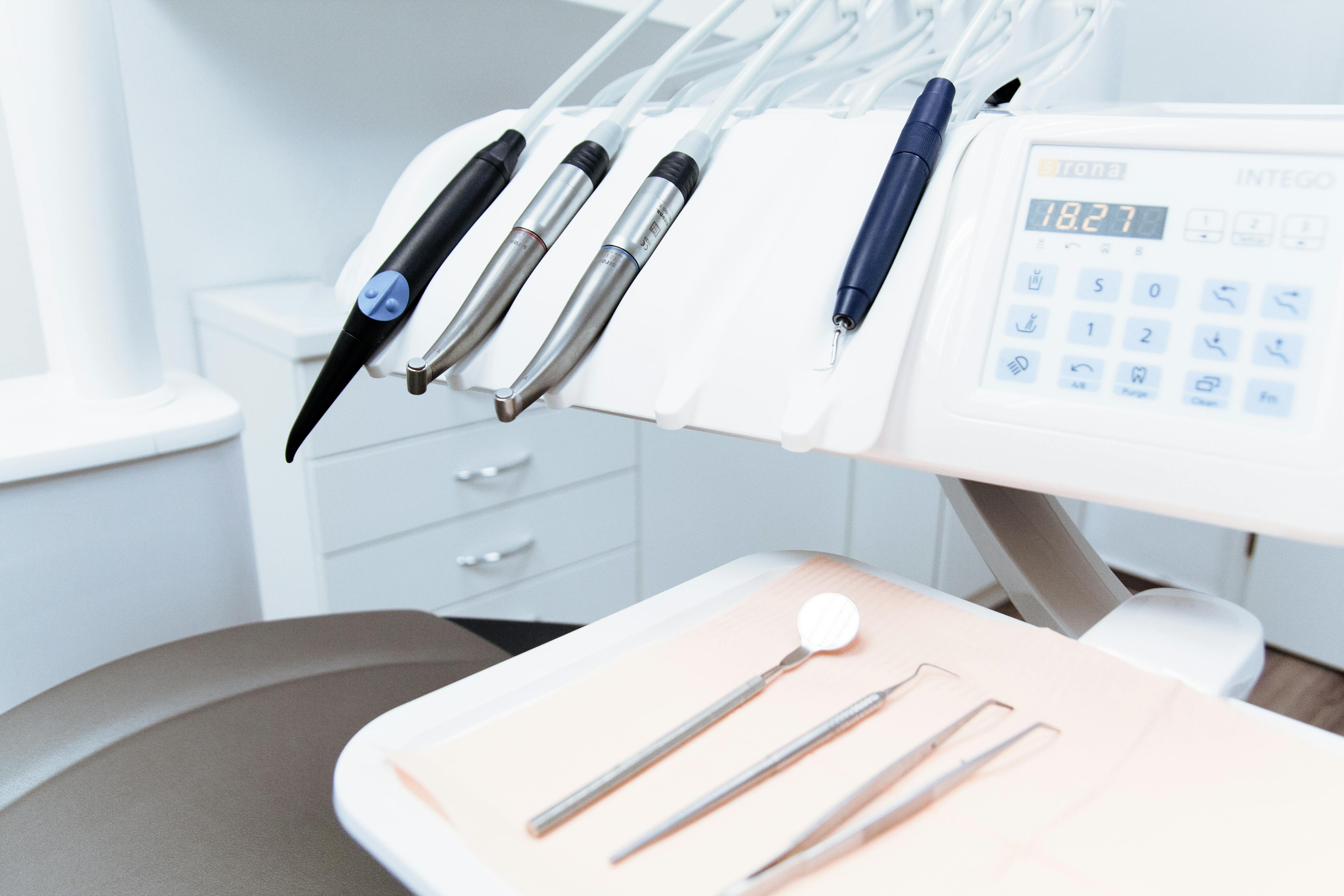
Professionalism also involves education and outreach. Orthodontists can inform patients about treatment options, privacy considerations, and legal rights, helping them make decisions confidently. Transparency and proactive communication foster long-term relationships and a culture of reliability. By consistently upholding patient rights and professional standards, orthodontists demonstrate that modern treatments like Invisalign are safe, effective, and responsibly managed.
Long-term reputation depends on consistent ethical behavior. By integrating patient care with legal compliance, orthodontists create a practice that patients trust and recommend. Positive word-of-mouth and community recognition further enhance the value of maintaining high professional standards, ensuring that both care quality and legal responsibility remain central to practice operations.
Ensuring Safe and Responsible Treatment for the Future
The future of orthodontic care relies on the combination of innovative technology and legal awareness. Invisalign and other modern treatments improve patient outcomes but require careful oversight to maintain safety, ethical standards, and compliance. Orthodontists who prioritize these responsibilities protect patients, maintain professional credibility, and enhance operational effectiveness.
Transparent communication, rigorous documentation, and adherence to professional guidelines create a standard of care that benefits everyone. Patients can pursue effective treatments while knowing their rights and safety are protected. Orthodontists demonstrate that modern dental technology can be both transformative and responsible, supporting a practice environment that values ethics, innovation, and patient-centered care.
Ongoing professional development and regulatory awareness ensure that orthodontists remain up to date with the latest best practices. This continuous attention to both clinical and legal standards protects patients and reinforces public trust. By combining innovation with accountability, orthodontic practices set a sustainable model for safe, effective, and legally responsible care.
Join the conversation!