

You don’t need perfect English to protect your rights—you need a clear plan and a few habits that keep the facts on your side.
Car crashes are chaotic, and the confusion can be even worse when English isn’t your first language. You juggle medical care, insurance calls, police reports, and work—all while trying to understand unfamiliar terms and deadlines. You deserve a clear, practical playbook that respects your time, your culture, and your rights.
You’ll find that today’s process looks different from it did even a couple of years ago. Digital claim portals, telehealth records, and translation support have made it easier to protect your case from day one.
First 72 Hours: What to Do So Evidence and Benefits Don’t Slip Away
Adrenaline hides injuries. You start by getting examined within 24–72 hours, and you save every document: urgent care visit summaries, doctor notes, medication receipts, and work absence emails. When you create an early paper trail, insurers and attorneys have something concrete to reference, which helps you avoid the common pushback that your pain “appeared later.”
File with the right insurer, the right way
If you live in a no‑fault state, you submit a personal injury protection (PIP) claim first; in other states, you typically claim against the at‑fault driver’s liability coverage.
You keep copies of the crash report, photos, and the claim number. When a portal or mobile app is available, you upload clean, well‑lit photos and PDFs and write short, factual captions so your file is easy to process and hard to dispute.
Document in two languages if it helps you stay consistent
If Spanish is your strongest language, you write notes in Spanish and then add an English line below. That habit keeps your facts straight and avoids confusion later. You also save translations of prescriptions, work letters, and referrals so nothing gets lost in back‑and‑forth emails.
Medical Care Today: How Telehealth, Referrals, and Bills Affect Your Claim
Virtual visits are common after crashes. You make sure the provider notes the mechanism of injury (rear‑end, side impact), the timeline of pain, and recommended imaging. Telehealth records time‑stamp your symptoms and can be just as useful as in‑office notes, especially when follow‑ups are consistent and include physical therapy or specialist referrals.
Build a treatment plan that actually gets finished
Insurers and juries look for steady progress. You schedule regular follow‑ups, you do the home exercises, and you log pain levels and missed workdays. If transportation or childcare is an issue, you ask about virtual PT check‑ins or weekend clinics so you don’t end up with gaps that weaken your claim.
Keep billing transparent from the start
You ask providers for itemized bills and CPT codes, and you store them alongside EOBs (explanations of benefits).
If you don’t have health insurance, you ask about lien‑based care or sliding‑scale clinics, and you document every arrangement in writing. Clear billing makes it easier to negotiate later and prevents surprise balances from derailing a settlement.
Insurance and Evidence: What Strengthens Your File (and What Hurts It)
Right after the crash, take wide shots of the scene, close‑ups of damage, and photos of any visible injuries from accidentes de carro that show how the collision happened. You include weather, traffic signals, and license plates if it’s safe. You avoid posting details on social media and you keep your settings private, because public posts can be taken out of context during negotiations.
Organize a simple “claim folder” you can share
You create one folder (cloud or USB) with subfolders for medical, work, expenses, and communications. You drop in PDFs of reports, pay stubs showing missed hours, rideshare receipts, and childcare costs after the crash.
When you can send a clean packet to an insurer or attorney, you move your case faster and reduce the risk of lowball offers.
Know what not to say
You stay short and factual on recorded calls. You don’t guess about speed, you don’t speculate about fault, and you don’t minimize pain with phrases like “I’m okay” if you’re not. If a statement is requested, you are asked to provide it in writing after reviewing your records. That keeps your story consistent and protects you from gotcha questions.
Legal Help in Spanish: Where to Ask Questions and How to Choose a Lawyer
You check road safety and recall information in Spanish, and you use it to understand vehicle issues, child‑seat guidance, and crash‑prevention tips. You also look for plain‑language accident checklists and sample forms that match your state rules. Having official Spanish materials helps you talk to insurers with confidence and keeps the paperwork accurate.
Use free Q&A and clinics before you sign anything
If your question is small—deadlines, claim forms, rental car rights—you can ask vetted attorneys in free online clinics, often available in Spanish.
You get quick guidance without a long intake or pressure to hire. When your injuries are significant or fault is disputed, you ask about contingency representation so you only pay if the case resolves in your favor.
Choose a lawyer who is equipped for your reality
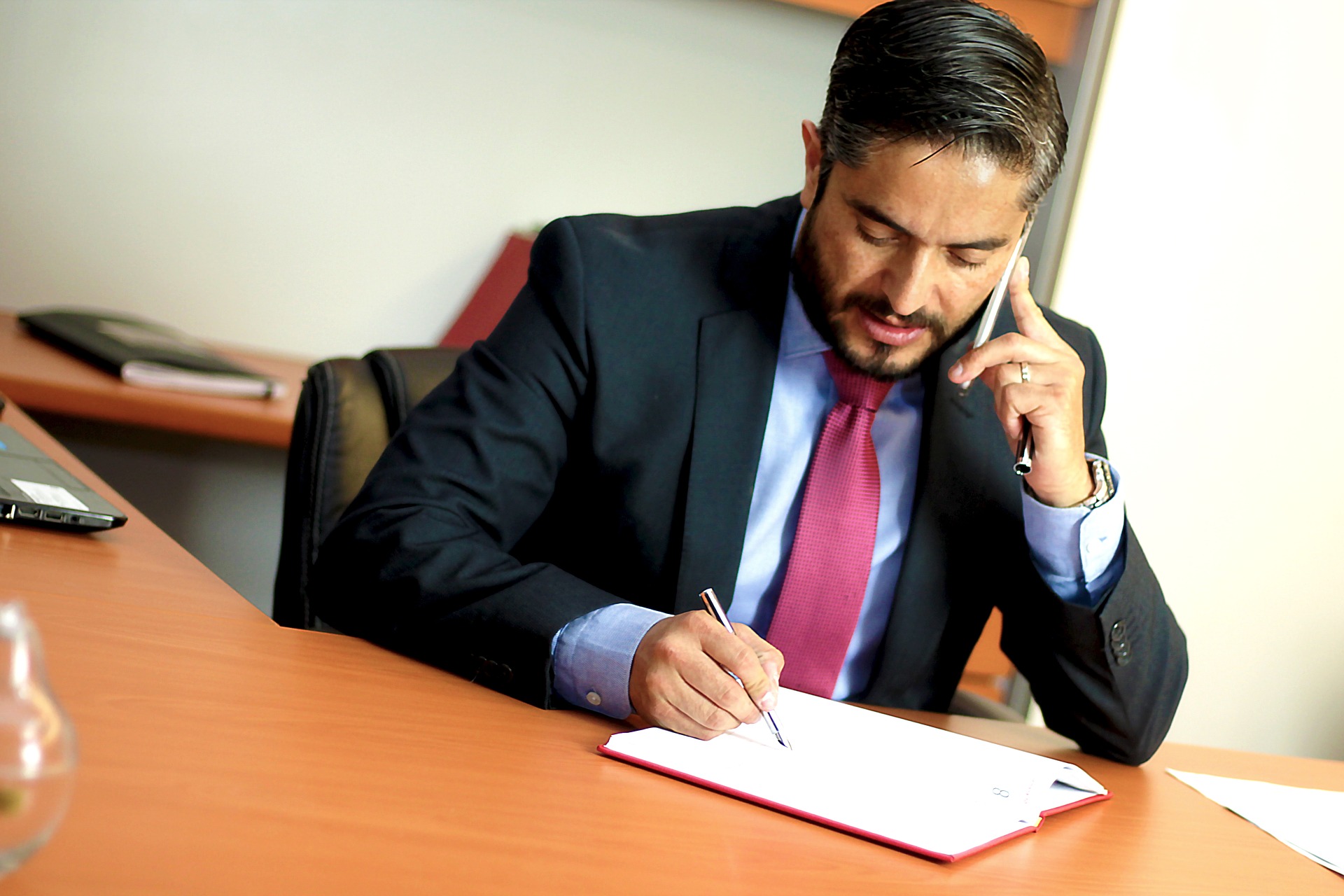
You look for bilingual staff, translated retainer agreements, and a client portal that accepts uploads from your phone. You ask how the firm handles medical referrals, interpreter scheduling, and after‑hours questions. A firm that understands your work schedule and family needs keeps your case moving and reduces stress during recovery.
Practical Tools and Habits That Make a Difference This Year
You keep your insurance card, registration, and emergency contact notes in a secure app. You add a crash checklist in Spanish and English.
If you drive often, consider a basic dashcam and a small first‑aid kit. When something happens, you already know exactly what to capture and who to call.
Keep your data clean and consistent
You save every file with a date and a short label—“2025‑03‑12_Ortho_Visit_Summary.pdf.” You avoid changing stories between providers, work HR, and insurance. Consistency builds credibility, and credibility drives outcomes, whether you settle in months or need to file a lawsuit later.
Advocate for yourself without burning bridges
You follow up politely every two weeks if you’re waiting on records, bills, or claim updates. You confirm phone conversations by email in one or two sentences. You ask for names, direct lines, and timelines. That steady pressure shows you’re organized and serious, which is often enough to unlock action on the other side.
Conclusion
The path after a crash is rarely simple, but it doesn’t have to be confusing. With quick medical documentation, a tidy evidence trail, and the right Spanish‑language resources, you reduce stress and increase your leverage. You don’t need perfect English to protect your rights—you need a clear plan and a few habits that keep the facts on your side.
As you move forward, expect more digital touchpoints: claim apps, telehealth portals, e‑signing, and text updates. Those tools favor organized drivers who document early and keep everything in one place. When you combine that structure with culturally aware legal help, you give yourself the best chance at a fair result—and the breathing room to focus on healing.
Join the conversation!