

Michigan increases transparency by releasing public reports on how opioid settlement funding is being used.
Michigan officials have released new information showing how the state’s opioid settlement money is being handled in its local communities. Attorney General Dana Nessel (AG) recently announced new public resource initiatives that are meant to give residents a clearer picture of how government officials are spending the payout funds. The materials being shared include new spending guidelines and a report that tracks money coming in and how it is being used by cities, counties, and other local agencies. State officials said the effort is designed to improve public trust in their local governments and to make sure the money continues going toward addiction recovery, prevention programs, and community support services.
The opioid settlement funds come from legal agreements reached with drug companies accused of helping fuel the crisis through the manufacturing and distribution of prescription painkillers. In court proceedings, it was alleged that drugmakers like Purdue Pharma and Insys Therapeutics knew for years their medications had a high potential for addiction but downplayed these risks to the public. Like many other states, Michigan has received large financial settlements connected to these claims.
The new Settlement Spending Guidance and Non-Remediation List gives local governments direction on how the money should and should not be spent. AG Nessel and other Michigan officials explained that the guidance is intended to keep the funds focused on programs connected to addiction treatment, recovery support, mental health services, overdose prevention, and ongoing efforts to educate the public. The state also released an Opioid Received and Expended Report, which gathers information from local municipalities showing how much funding they have received so far and where, specifically, the money has been allocated. The report includes data from January 2023 through December 2025.
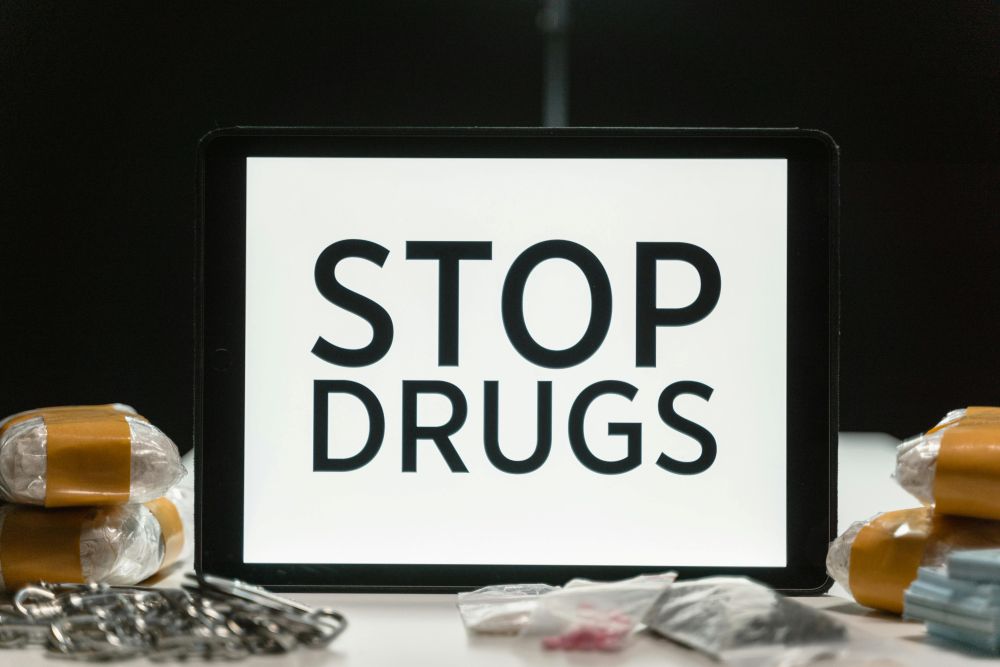
According to Nessel’s office, the reporting effort grew out of a revised agreement reached in July 2025 between the state and 86 local Michigan governments involved in opioid litigation. The updated agreement added yearly reporting requirements and gave the attorney general’s office more authority to request spending information from communities receiving the funds. State leaders said public reporting is important because many residents want tangible reassurance that the settlement money is being spent on programs directly tied to the crisis. Addiction and overdose deaths have affected families across the state for years, leading to growing demand for treatment services, mental health care, prevention programs and recovery support. Nessel said she believes the additional reporting guidelines will keep communities honest, ensuring that the funding continues to be allocated towards these initiatives.
Local governments throughout the state are expected to use the funding in different ways depending on community needs. Some areas may direct money toward treatment centers, counseling services, or recovery housing. Others might focus on prevention education in schools, overdose response programs, or outreach services for those impacted by addiction. Health experts and recovery advocates have repeatedly warned that the opioid crisis continues to affect both urban and rural communities. Fentanyl remains a growing concern across the country, with many overdose deaths linked to illegally made drugs mixed with the powerful synthetic opioid. Public health workers said long-term recovery efforts will require steady funding and continued cooperation between state agencies, local governments, and treatment providers.
Sources:
Michigan AG Dana Nessel unveils new transparency resources for opioid settlement spending
Nessel releases opioid settlement spending guidance and report
Join the conversation!