
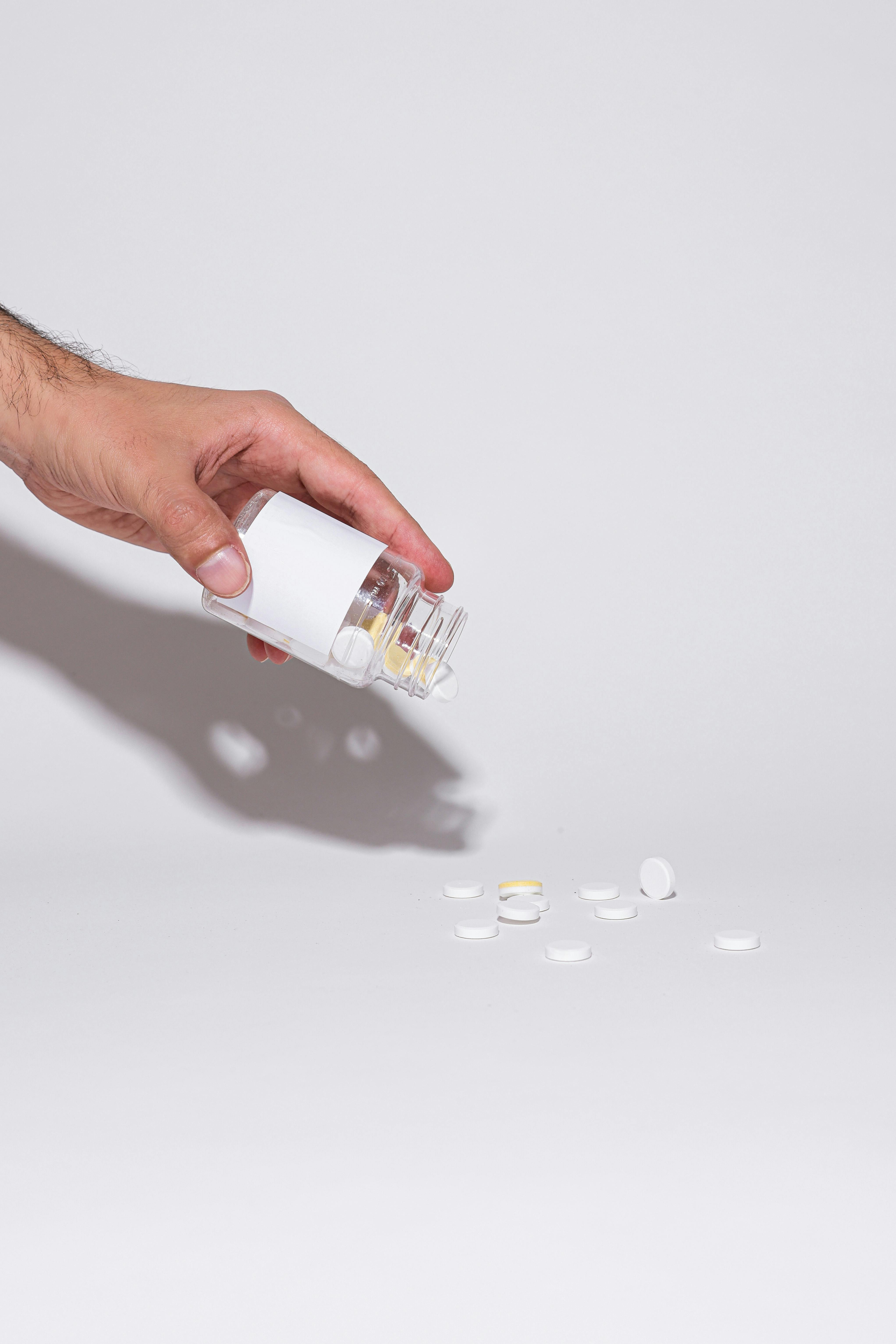
New opioid cychlorphine found in Toronto raises serious overdose concerns.
A new synthetic opioid has raised alarm in Toronto after appearing in several drug samples tested by a local checking service. The drug, called cychlorphine, was found in October 2025 and has left health workers, researchers, and community groups concerned because its effects are still unknown. The discovery adds yet another dangerous substance to a market already overwhelmed by powerful opioids, many of which have contributed to rising overdose deaths across North America.
For years, fentanyl has been at the center of the opioid crisis. This lab-made drug is far stronger than older prescription opioids and has been linked to a large share of fatal overdoses. The CDC reported that fentanyl was involved in about 70 percent of overdose deaths in the United States between 2021 and 2024. Its strength, low cost, and presence in illegal supplies have made it one of the most dangerous substances on the market. Now cychlorphine, which early tests suggest may be similar in potency, has appeared at a time when the drug supply is already unstable.
The samples that contained cychlorphine were brought to a community drug-checking service, where people can anonymously test substances without fear of arrest. These services have become an important tool for tracking changes in the drug supply and warning the public about hidden risks. The samples were expected to be common prescription opioids such as hydromorphone, oxycodone, and Percocet. Instead, each sample turned out to contain only cychlorphine. This finding suggests that people who believed they were taking familiar drugs were actually using something completely different and far less understood.

Little is known about cychlorphine beyond its basic classification as a synthetic opioid. Drugs in this group can be far stronger than natural opioids like morphine. Because cychlorphine has not been studied in humans, there is no clear information about dosing, overdose risk, or long-term effects. This uncertainty makes the drug especially dangerous in street settings where purity and strength vary from sample to sample.
Drug-checking workers noted that this discovery highlights how unpredictable the current drug market has become. Substances can be mislabeled, mixed, or replaced entirely, leaving people unaware of what they are taking. When a new opioid appears without warning, the risk of accidental overdose increases sharply. This is especially true for substances that may match fentanyl in strength.
The appearance of cychlorphine also raises concerns about the growing trend of designer drugs. These are substances created in labs to mimic the effects of existing drugs while remaining outside legal definitions for as long as possible. Because they change quickly and often lack safety data, they can spread before regulators or health agencies know how to respond.
The discovery of cychlorphine in Toronto may be an early sign of a broader shift in illegal markets. As long as new synthetic opioids continue to emerge, health workers expect the risks to grow. The finding serves as a reminder that the drug supply remains unpredictable, and every new substance increases the danger for communities already facing high numbers of overdoses.
Sources:
New Synthetic Opioid Cychlorphine Found in Toronto, Raising Fentanyl-Level Concerns
A new opioid has been found in Toronto’s drug supply and users may not even know it
Join the conversation!