
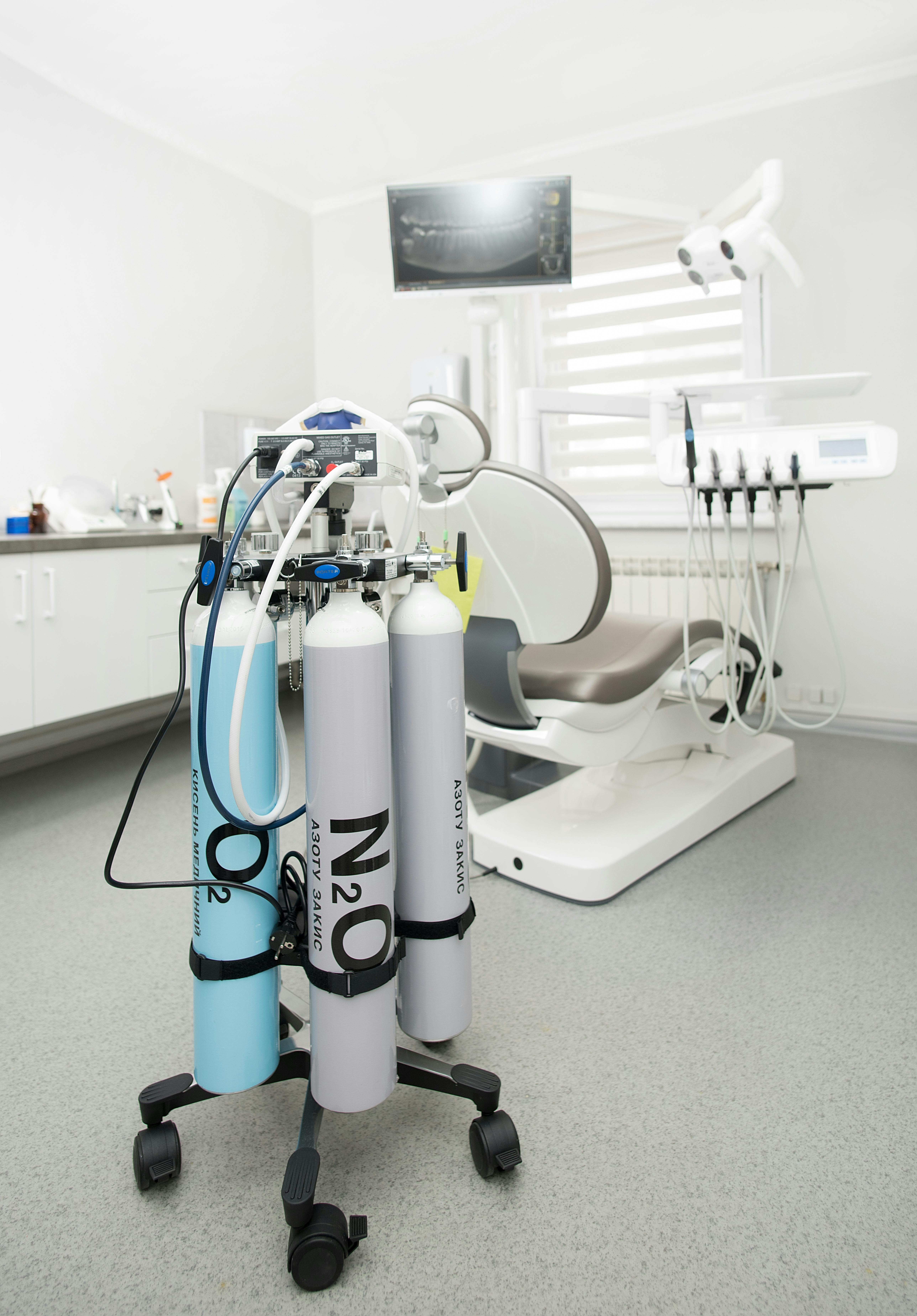
Research shows nitrous oxide may bring quick relief for severe depression.
A growing body of research is drawing fresh attention to nitrous oxide as a possible short-term support for people facing major depression, especially when standard medicine has not helped enough. Interest has risen due to recent findings showing fast changes in mood after controlled medical use of this gas. Across several research groups, the same pattern keeps showing up: relief can appear quickly, often within a day, though the effect does not always last without repeated treatment.
Major depression affects people in many ways and can be very hard to manage when regular medicine falls short. A large number of patients do not feel strong changes from standard pills, even after trying more than one. This has created a wide search for options that can bring relief faster and reach patients who have been living with symptoms for long stretches of time. Nitrous oxide, long known for its role in medical procedures as a form of pain control, is now being studied as a possible short-range support for mood.
A meta-analysis reviewed several clinical trials from research teams around the world. These studies included adults with major depression, those with depression that had not eased after at least two different medications, and even some with bipolar depression. The clearest pattern appeared in trials that used a single inhaled session at a fifty percent mix. Many patients showed marked mood changes within twenty-four hours. For most, that lift did not hold past a week, yet repeated sessions over several weeks produced longer-lasting results.
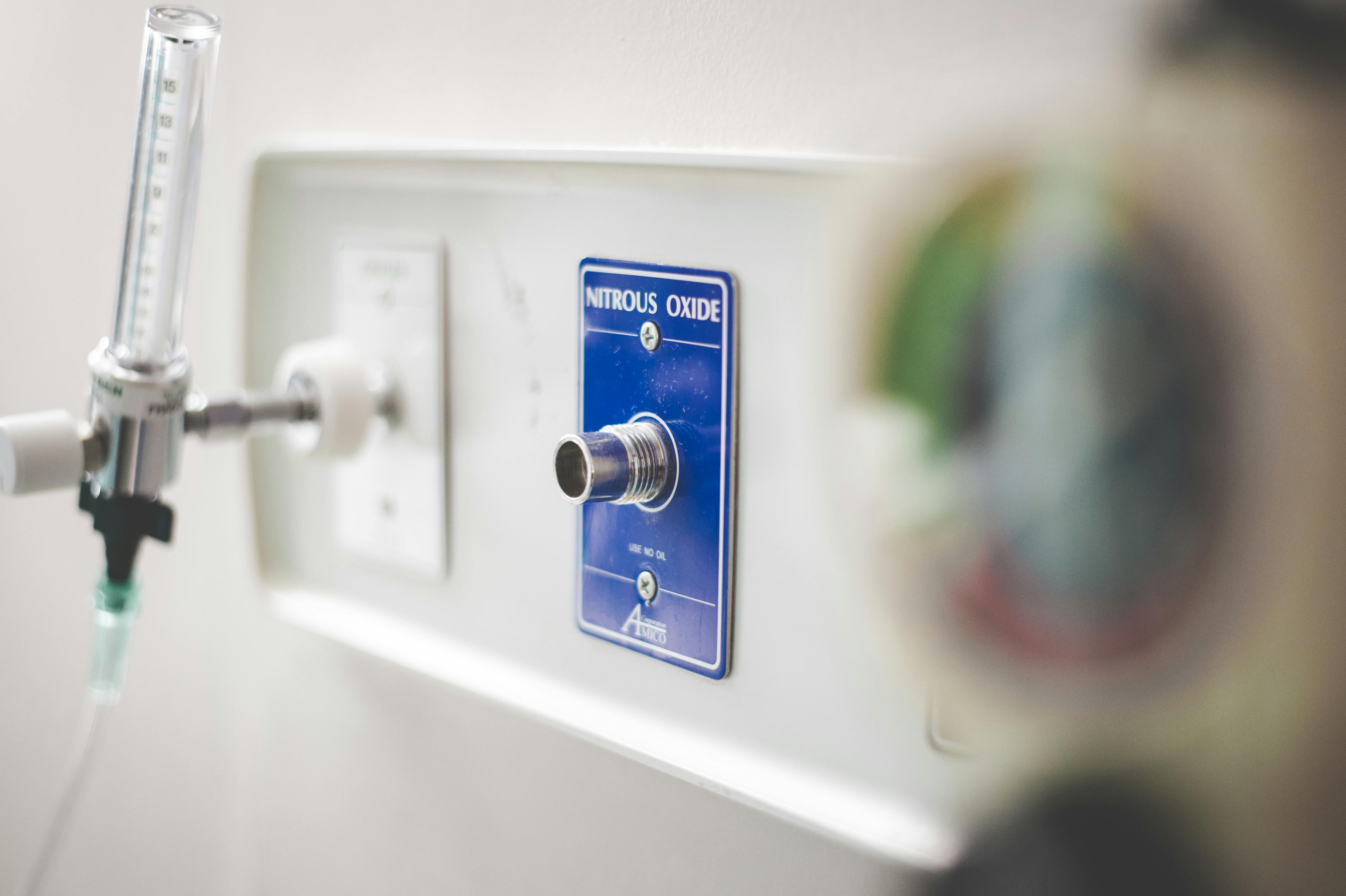
The gas is thought to act on parts of the brain tied to glutamate, a system that plays a part in mood and stress. This is the same pathway affected by ketamine, another rapid-acting treatment option still under study. Because of this overlap, some researchers believe nitrous oxide may join a growing set of treatments that work faster than traditional pills. Still, the research team made it clear that much more study is needed to confirm the safest and most effective way to use this method.
Side effects were reported in some patients, though they tended to fade quickly. Nausea, dizziness, and headaches appeared more often in the higher-dose sessions. These problems resolved without medical care, and none of the trials reported immediate safety threats. Even so, the long-term picture remains unclear, and future studies with longer follow-up periods are needed.
Researchers involved in the work described the findings as promising for people who have gone through treatment after treatment without relief. They stressed that these patients often reach a point where hope feels out of reach, and fast-acting options can make a meaningful difference while longer-term plans are put into place. Teams across the UK are now preparing the first NHS-based trial to look at how this treatment can fit into real-world practice. If the results continue to move in the same direction, nitrous oxide may one day expand the choices available to patients who need another path forward.
Sources:
Fast depression relief? Nitrous oxide shows remarkable potential
Laughing Gas Treats Depression Right Away? Study Shows Rapid Response To Nitrous Oxide
Join the conversation!